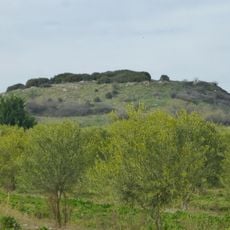
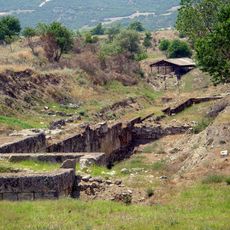
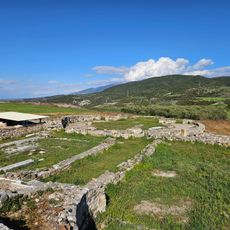
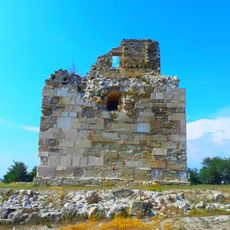
Kasta tomb, Ancient burial monument in Amphipolis, Greece
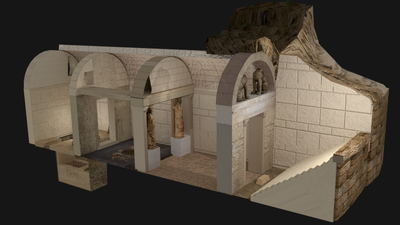
The Kasta Tomb is a large burial structure in Amphipolis with a circular enclosing wall approximately 500 meters in perimeter. Inside are three chambers decorated with marble work, mosaic artistry, and detailed stone carvings throughout.
The tomb was built in the late 4th century BC as a major burial ground for Macedonian elites. Archaeological evidence shows that at least five individuals were buried there, spanning different ages and social roles.
The sphinx figures at the entrance and the supporting female figures in the second chamber show how Macedonians honored their dead through craftsmanship. These decorative elements reflect the status and importance placed on the person buried inside.
The tomb itself is not open to visitors; the excavated monument lies within the Kasta mound near Amphipolis, about 900 m southeast of the village of Nea Mesolakkia. The mound is a protected archaeological zone, so the chambers, mosaic and caryatids can only be followed through published excavation reports and photographs.
The floor mosaic in the second chamber is made of black, white, grey, yellow, blue and red pebbles, not marble, and was never intended to be seen. It shows Hades abducting Persephone on a chariot drawn by two white horses, guided by Hermes; an almost circular patch of about 80 cm in the centre lost its tesserae, some of which were recovered from the earth covering the chamber.
The community of curious travelers
AroundUs brings together thousands of curated places, local tips, and hidden gems, enriched daily by 92,897 contributors worldwide.