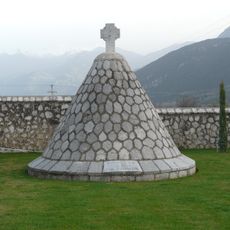
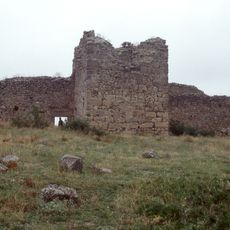
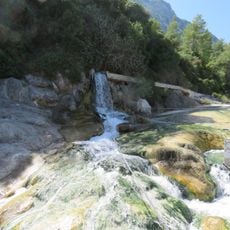
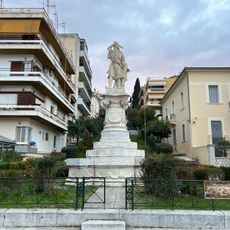
Pyra of Herakles, Archaeological remains on Mount Oeta, Greece
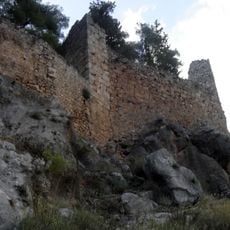
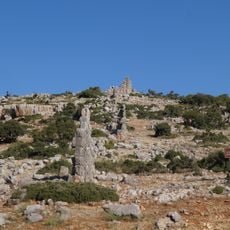
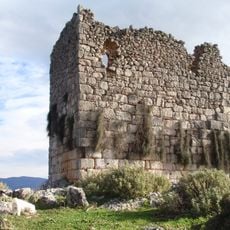
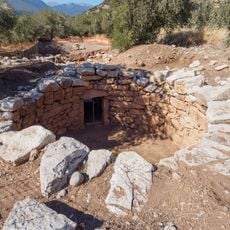
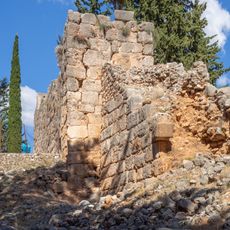
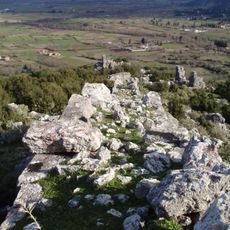
The Pyra of Heracles is an archaeological site on Mount Oeta with the remains of a Doric temple dating to the third century BCE. The location preserves multiple architectural elements and foundation structures that reveal details about how buildings were constructed during the Hellenistic period.
The site was excavated between 1920 and 1921, revealing a long history of activity from the sixth century BCE through the Roman period. The findings show that the temple saw continuous use over many centuries, with evidence of worship and offerings persisting from early times into much later eras.
The temple served as a place where people came to honor Heracles and left offerings as acts of devotion. These gifts tell us how central this sanctuary was to the spiritual life of ancient communities.
The site sits at an elevated location, so sturdy footwear and time for exploration are advisable. Visitors should expect limited facilities and be prepared to navigate independently, as this archaeological location is situated in a mountainous area.
Hundreds of coins discovered at the site span from the sixth century BCE to the time of Constantine the Great, demonstrating that visitors brought offerings across many centuries. This collection of coins tells the story of continuous devotion at this mountain sanctuary over a remarkably long period.
The community of curious travelers
AroundUs brings together thousands of curated places, local tips, and hidden gems, enriched daily by 91,127 contributors worldwide.