Bouxwiller, Medieval commune in Bas-Rhin, France
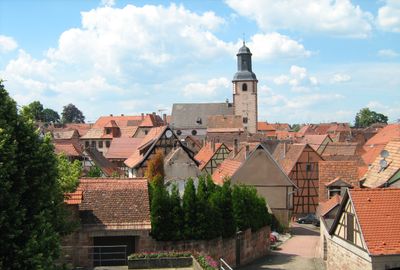
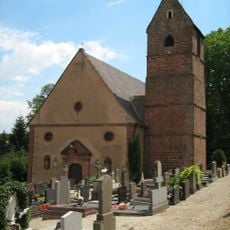
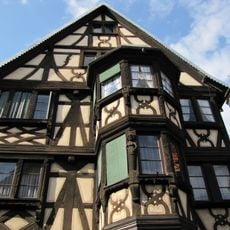
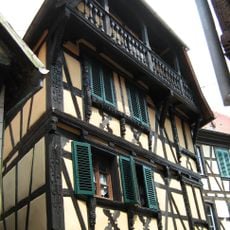
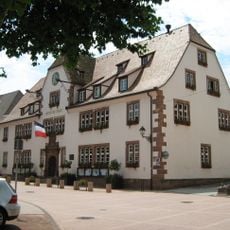
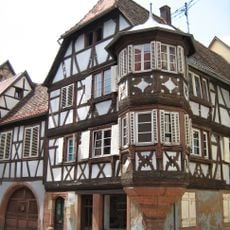
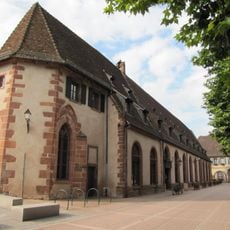
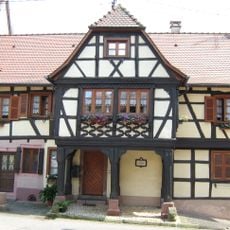
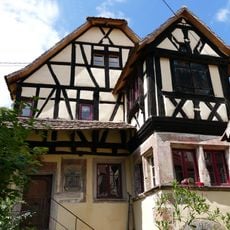
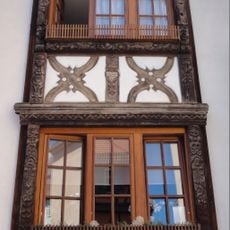
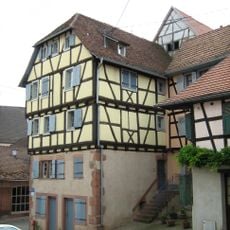
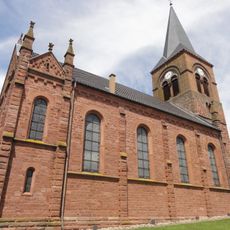
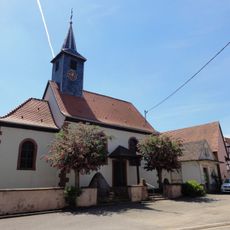
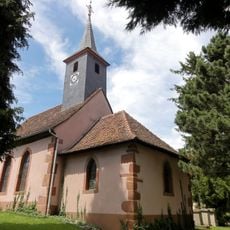
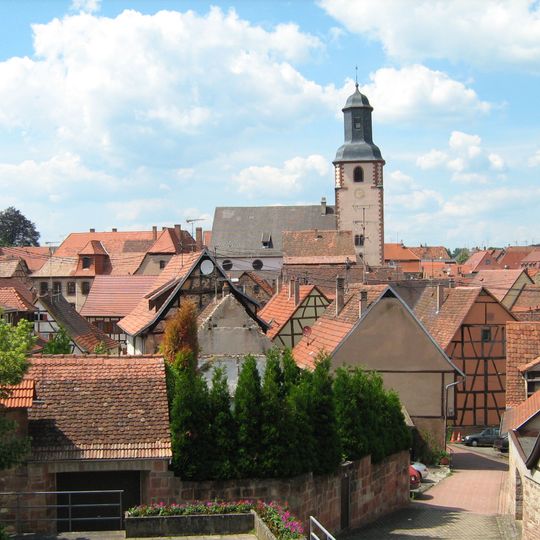
Bouxwiller is a commune in Bas-Rhin in northeastern France, nestled in a wooded valley with traditional architecture scattered throughout. The town center features half-timbered houses and narrow streets that preserve its medieval layout.
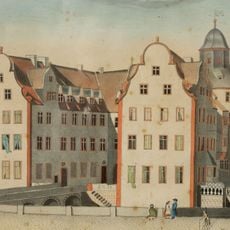
The settlement first appeared in records in 724 and later became the seat of the Counts of Hanau-Lichtenberg from around 1300 onward. It remained an important administrative center until the county's end in 1736.
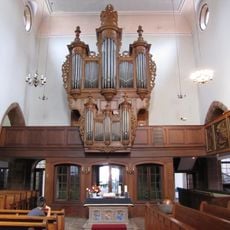
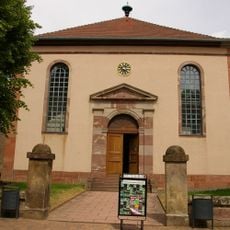
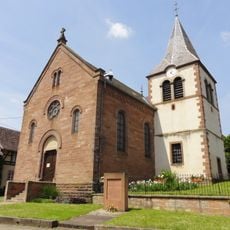
The former synagogue from 1844 now houses the Judeo-Alsatian Museum, which documents the local Jewish community that lived here for centuries. The collection tells stories of families and traditions that shaped the town's social life.
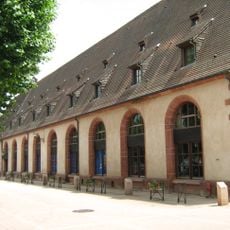
The former railway line between this town and Saverne has been converted into a cycling path for easy exploration of the surrounding region. Artisanal shops are housed in the old railway station building, which serves as a local activity hub.
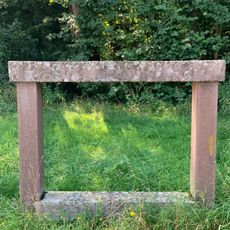
Excavations on Bastberg Hill uncovered Roman bath ruins, revealing that the area was inhabited since ancient times. These discoveries show that the town's history extends back much further than its medieval period.
The community of curious travelers
AroundUs brings together thousands of curated places, local tips, and hidden gems, enriched daily by 91,376 contributors worldwide.