Villars Cave, Prehistoric art cave in Villars, France
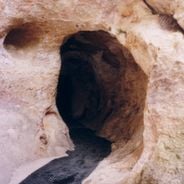
Villars Cave is an underground cavern with rock formations and passages that extend through a large area. Inside, you find hanging mineral formations, standing rock pillars, and natural water pools, while black paintings cover sections of the stone walls.
The cave was discovered in 1953 when hunters noticed smoke coming from a fox burrow. What lay beneath was an underground sanctuary holding art created about 20,000 years ago.
The cave's name comes from the hamlet of Le Cluzeau, and its paintings were recognised in 1957 by Pierre Vidal, a member of the Spéléo Club de Périgueux. Thirty black manganese oxide figures, none larger than 50 centimetres, include the fresque de chevaux, the petit cheval bleu and l'homme et le bison. The style links them to Lascaux and the early Magdalenian.
The walkable path inside is marked and leads through natural passages, with stairs helping you return to the parking area. Good footwear matters since the ground is wet and slippery, and you will spend time in cool underground conditions.
The "little blue horse" owes its name to a black manganese oxide painting; the blue impression comes from the calcite wall behind it, not from a pigment. The 30 paintings, none larger than 50 centimetres, were bound with animal grease.
The community of curious travelers
AroundUs brings together thousands of curated places, local tips, and hidden gems, enriched daily by 92,847 contributors worldwide.