Fontenay-aux-Roses, Residential commune in Hauts-de-Seine, France
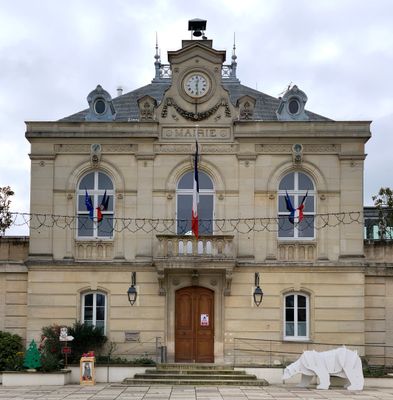
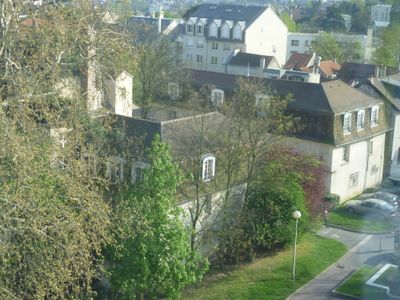
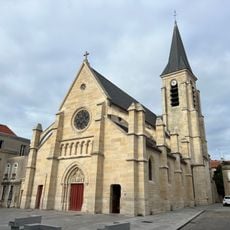
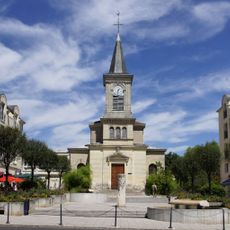
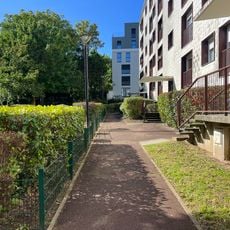
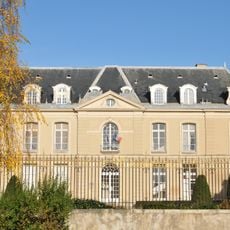
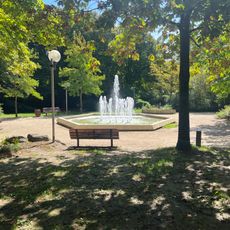
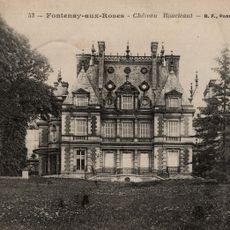
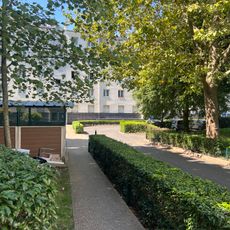
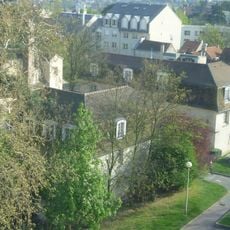
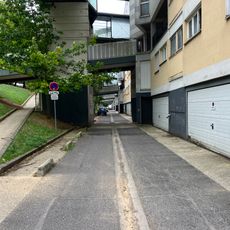
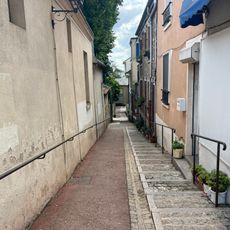
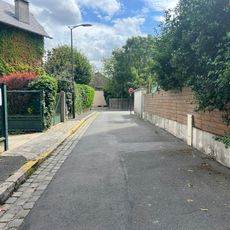
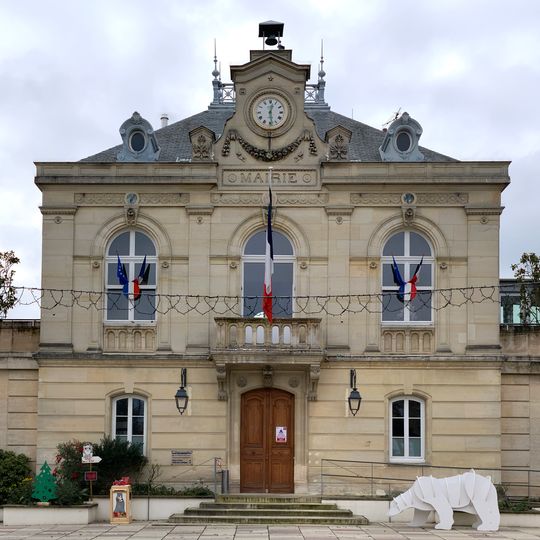
Fontenay-aux-Roses is a residential commune in Hauts-de-Seine west of Paris, built on rolling terrain and characterized by large houses set back from the street with spacious gardens. The abundant greenery and generous spacing between buildings create the feel of a leafy suburban neighborhood with tree-lined avenues.
The settlement began as a small village split off from Bagneux in the 13th century and acquired its current name in the 17th century upon gaining independence. Growth accelerated in the 19th century when rail connections made suburban living accessible to Parisians seeking space and quiet.
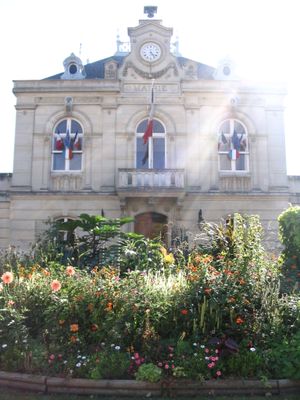
The place takes its name from the rose gardens that flourished here historically and still shape how residents maintain their private green spaces today. This botanical connection is visible in the garden-like character of the residential neighborhoods.
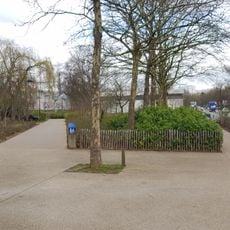
RER line B and tram line 6 serve the station with direct access to Paris and surrounding towns. The rolling terrain is manageable on foot, with most residential areas accessible through wide, tree-shaded streets.
France's first nuclear reactor, Zoé, and its initial tokamak fusion experiment operated here during the 1940s and after. Few visitors realize that this quiet suburban neighborhood once hosted groundbreaking atomic research.
The community of curious travelers
AroundUs brings together thousands of curated places, local tips, and hidden gems, enriched daily by 90,943 contributors worldwide.