Caunes-Minervois, Commune in Aude, Occitanie, France
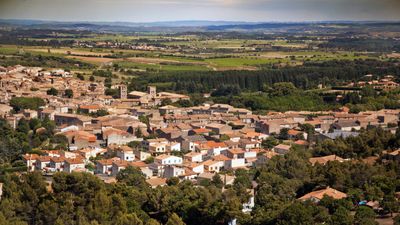
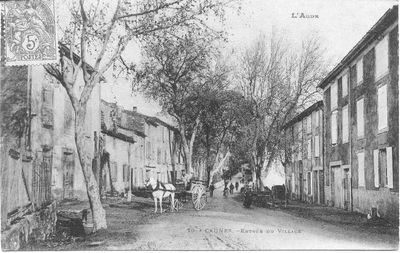
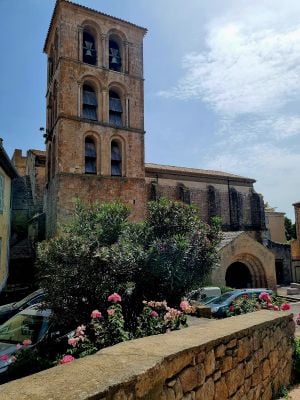
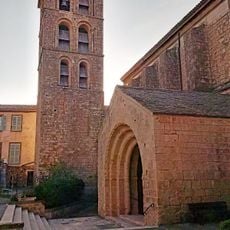
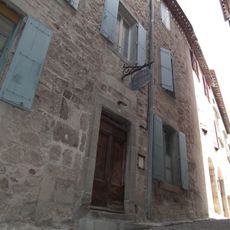
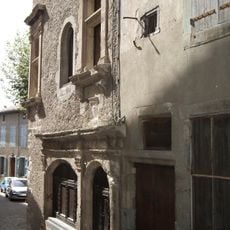
Caunes-Minervois is a small commune in the Aude department of the Occitanie region, sitting at the foot of the Montagne Noire not far from Carcassonne. Its narrow streets run past old stone houses, and at its center stands a Romanesque Benedictine abbey dating to the 8th century.
The village grew around a Benedictine abbey founded in the 8th century, which served as a religious and economic center for the region through the Middle Ages. The local red marble, known as Incarnat, brought the commune wider recognition when Louis XIV had it used in the Grand Trianon at Versailles.
Caunes-Minervois is closely tied to the red marble quarried nearby for centuries. You can still see this stone on facades, fountains, and in small workshops where local craftspeople shape it today.
The village is easy to explore on foot since the historic center is compact and straightforward to navigate. For the surrounding vineyards, marble quarries, and walking trails, having your own vehicle makes getting around much simpler.
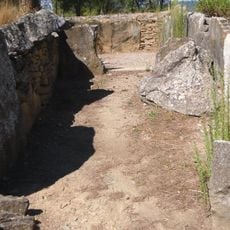
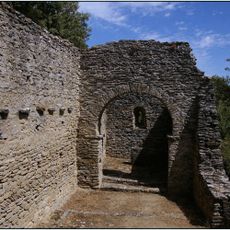
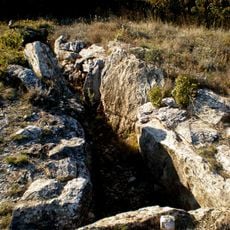
The red marble from Caunes-Minervois decorates not only Versailles but also the columns of the Panthéon and the floors of the Invalides in Paris. The quarries where it was cut are still accessible today and still show the marks of old cutting tools on their walls.
The community of curious travelers
AroundUs brings together thousands of curated places, local tips, and hidden gems, enriched daily by 91,252 contributors worldwide.