Le Trou Aid Post Cemetery, cemetery located in Pas-de-Calais, in France
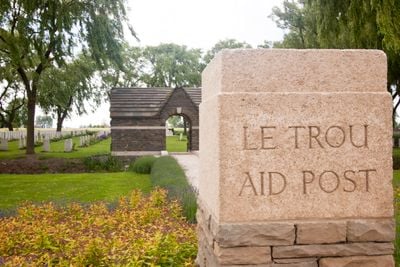
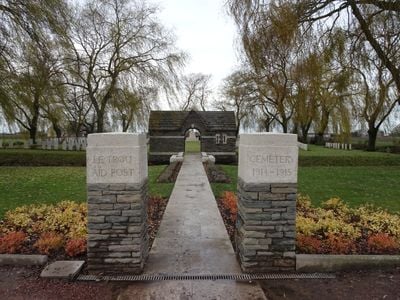
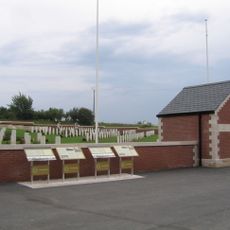
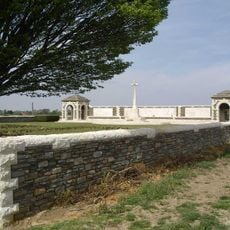
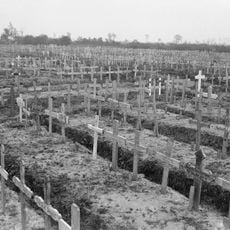
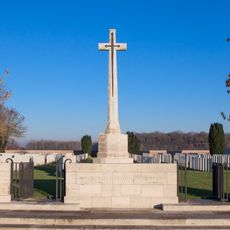
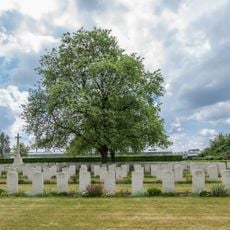
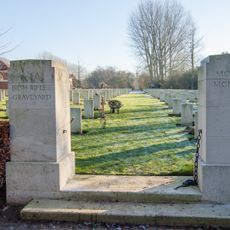
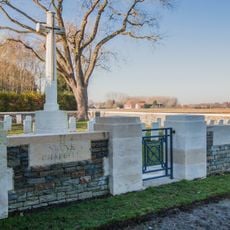
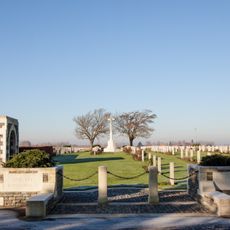
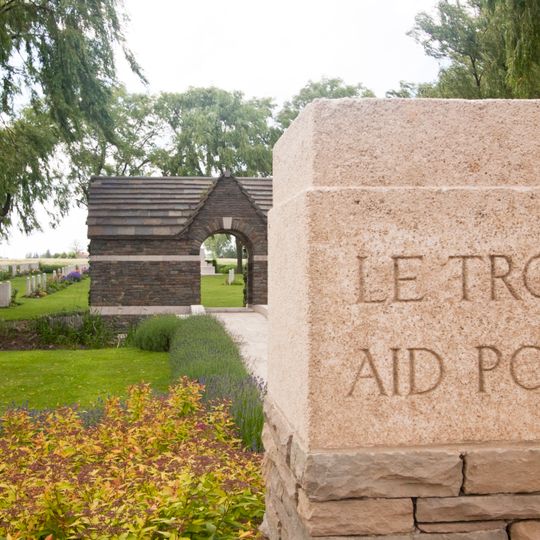
Le Trou Aid Post Cemetery is a small Commonwealth war cemetery in Fleurbaix, France, maintained by the Commonwealth War Graves Commission. It holds approximately 350 soldiers from World War I, most buried between 1914 and 1915, with many graves marking unidentified servicemen.
The cemetery was established in September 1914 near an aid post in the second line of British trenches. Soldiers from various battles in the sector were buried here until 1918, including Brigadier General Arthur Lowry Cole, who died during operations in May 1915.
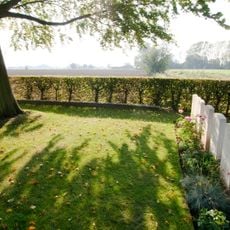
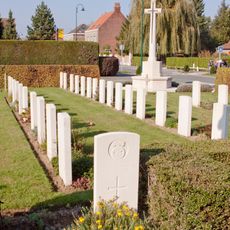
The cemetery takes its name from a nearby aid post trench that served as a medical station during the war. Visitors today experience a quiet place of remembrance where the simple arrangement of graves and surrounding woodland create a space for reflection on sacrifice.
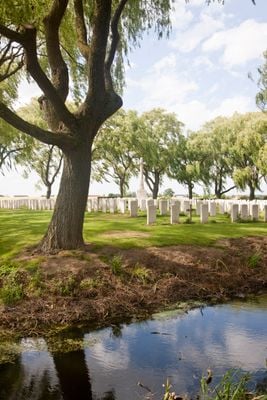
The site is accessible on foot or by bicycle and lies in a quiet wooded area with weeping willows. Visits are free and possible year-round, making it easy for travelers to include it in their itinerary.
The cemetery was designed by Sir Herbert Baker, the same architect who later worked on India's Parliament House. Visitors often notice the weeping willows and moat surrounding the grounds, which give it a distinctive character.
The community of curious travelers
AroundUs brings together thousands of curated places, local tips, and hidden gems, enriched daily by 60,000 contributors worldwide.