Paris Basin, Sedimentary basin in Île-de-France, France
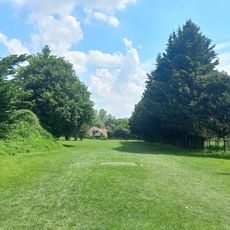
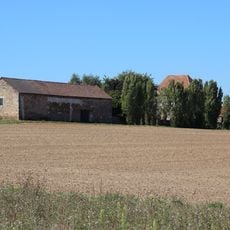
The Paris Basin is a large geological depression spanning northern and central France with gentle hills and plains made of sedimentary rock. The landscape is shaped by layers of limestone, clay, and sand that create a uniform and rolling terrain across the region.
The basin formed around 250 million years ago through gradual geological processes and accumulated sediments over millions of years. These deposits developed in changing marine and land conditions that later became valuable agricultural and settlement areas.
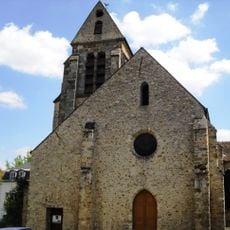
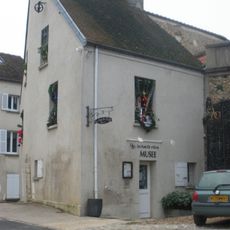
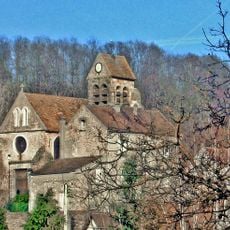
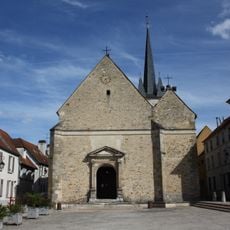
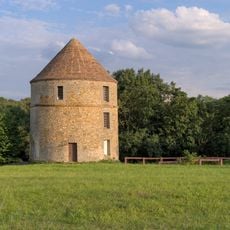
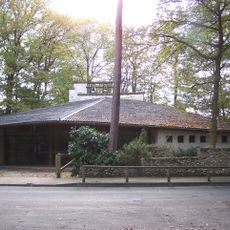
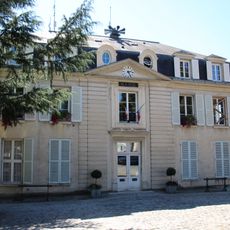
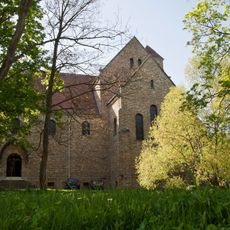
The region contains scattered villages and small towns with traditional stone churches and half-timbered houses that define rural French life. These settlements shaped how people lived and worked together for centuries, leaving marks on the landscape that visitors still see today.
The region is well connected by roads, railways, and river transport, especially along the Seine and through ports like Le Havre. Visitors can explore different areas on day trips or spend longer in towns and villages to experience rural life.
The deposits contain fossils of marine creatures and plants showing this region once lay beneath a tropical sea. These preserved remains allow visitors and researchers to trace the ancient history of Earth at this location.
The community of curious travelers
AroundUs brings together thousands of curated places, local tips, and hidden gems, enriched daily by 60,000 contributors worldwide.