Royal Abbey of Our Lady of Chaalis, Art museum and historic abbey in Fontaine-Chaalis, France
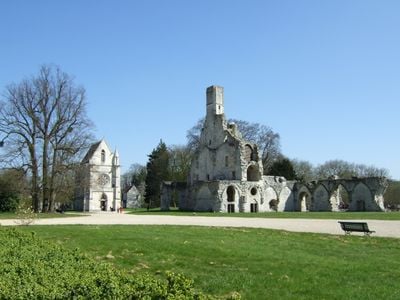
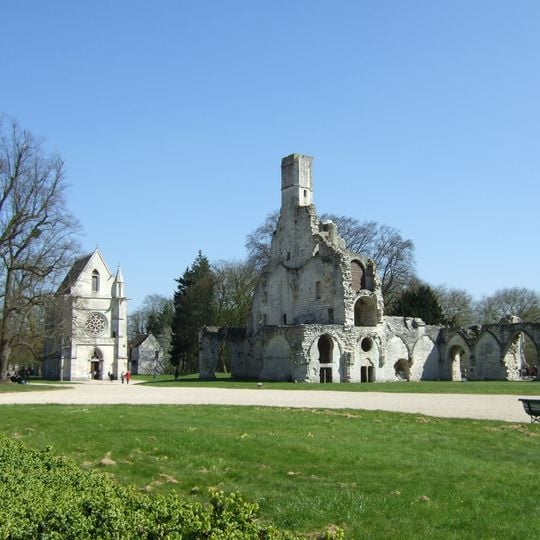
Chaalis Abbey is a former Cistercian monastery in Fontaine-Chaalis that now houses an art museum and displays both Gothic and classical architectural elements throughout its grounds. The site contains a decorated chapel, the original entrance structure, and residential buildings that have been adapted to display paintings, sculptures, and furnishings from various European artists and periods.
King Louis VI of France founded the monastery in 1136, taking the place of an earlier Benedictine community that had occupied the land. In the 1700s, major rebuilding under architect Jean Aubert began to modernize the structures, though financial limits prevented the completion of all planned additions.
The name Chaalis derives from Caroli Locus, "place of Charles", chosen by Louis VI in memory of his cousin Charles the Good, Count of Flanders, murdered at Bruges in 1127. Nélie Jacquemart, who spent her childhood here, left the estate and its collections to the Institut de France on her death in 1912, requiring that a museum be created at Chaalis.
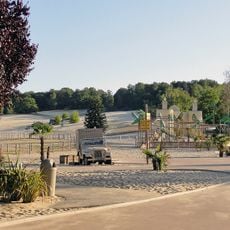
Access is by the RN 330, about 40 km northeast of Paris, 10 km southeast of Senlis and 2.5 km north of Ermenonville; the La Mer de sable park entrance faces the abbey access. The estate lies in the Ermenonville forest, in the Launette valley among ponds dug by the monks to drain former marshland. The rose garden and park are visited on foot between the ruins, chapel and museum.
The original design imagined a large four-sided structure forming a complete quadrangle, but only the entrance wing and the abbot's residence were actually built due to running out of money. Visitors today see this unfinished vision reflected in how the remaining buildings stand in isolation.
The community of curious travelers
AroundUs brings together thousands of curated places, local tips, and hidden gems, enriched daily by 93,485 contributors worldwide.