Canal de l'Ourcq, Navigational waterway in Seine-et-Marne, France
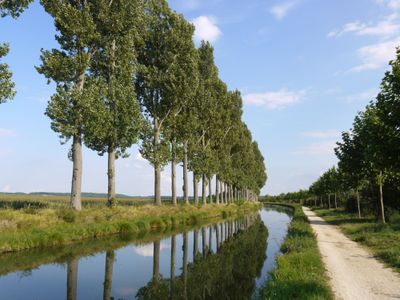
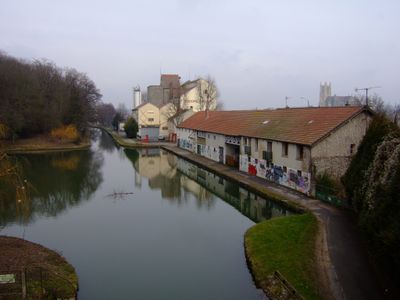
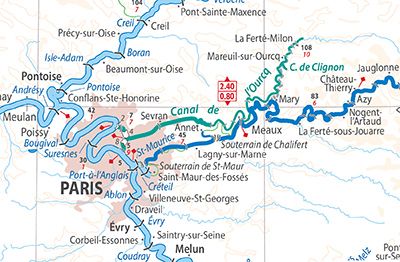
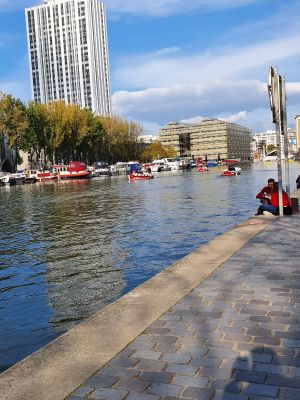
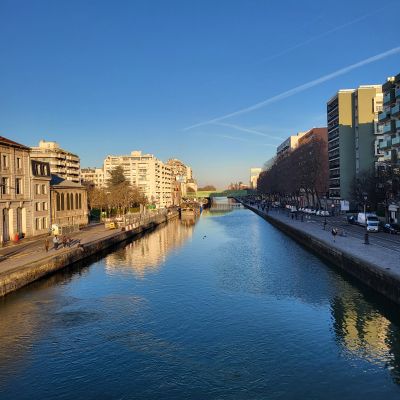
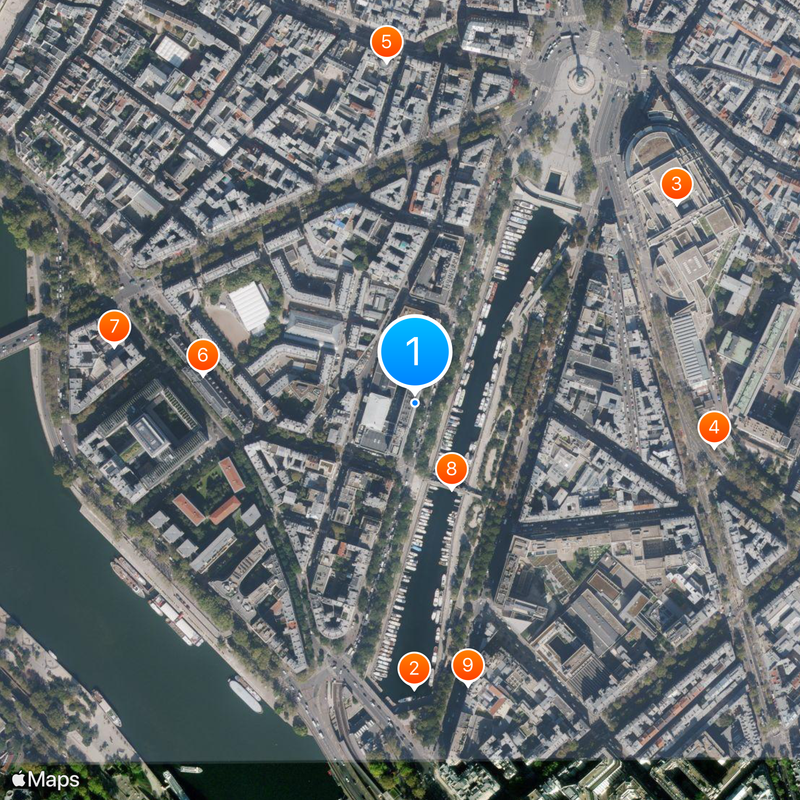
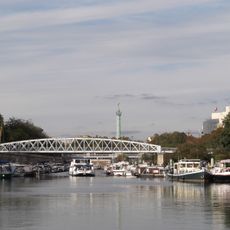
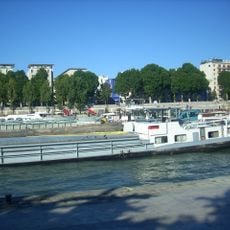
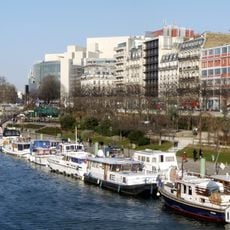
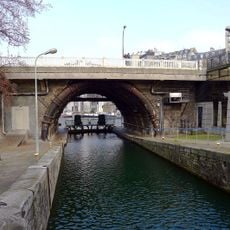
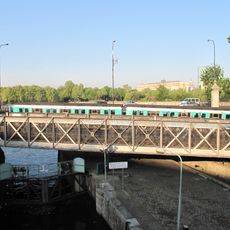
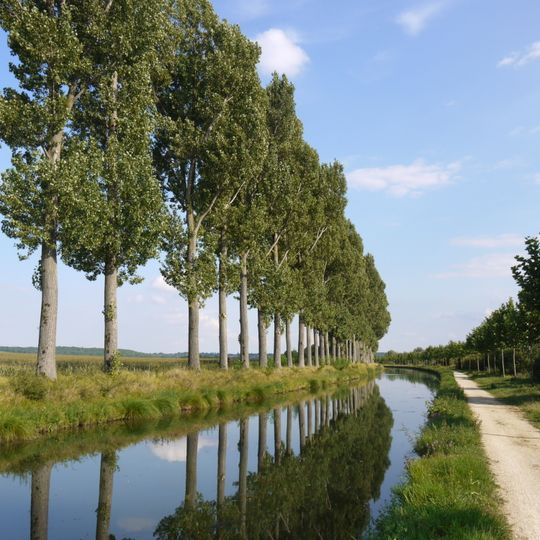
The Canal de l'Ourcq is a waterway in Seine-et-Marne that runs 108 kilometers (67 miles) through the Île-de-France, linking Port-aux-Perches near Troesnes to the Bassin de la Villette in Paris. It flows through a variety of landscapes, passing woods, fields and small towns, and is punctuated by ten locks that manage changes in elevation.
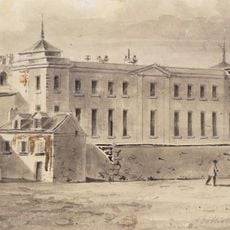
Napoleon Bonaparte commissioned its construction in 1802 to support freight traffic and supply Paris with clean drinking water. The work continued until 1825, fundamentally changing the city's water supply.
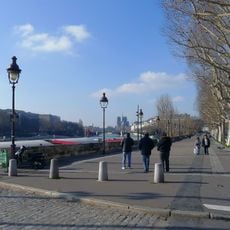
The name comes from the Ourcq River, which was transformed into a canal system now frequented by anglers, walkers and cyclists. Along the banks, you often see people using the quiet sections to enjoy the countryside or pause in small villages.
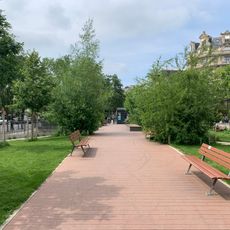
Boats pass through the locks today, while footpaths and cycle routes follow the banks and invite exploration. The waterway still supplies half the water needs of municipal services and parks in Paris.
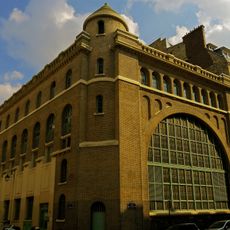
The Trilbardou and Villers-Lès-Rigault pumping stations are protected monuments that still display 19th-century machinery. Visitors can admire the architecture and understand how the water supply worked back then.
The community of curious travelers
AroundUs brings together thousands of curated places, local tips, and hidden gems, enriched daily by 90,935 contributors worldwide.