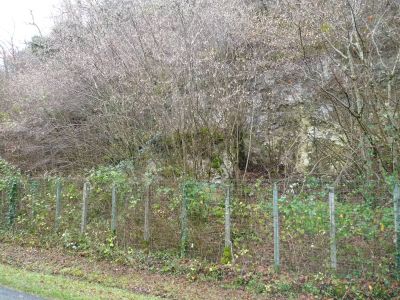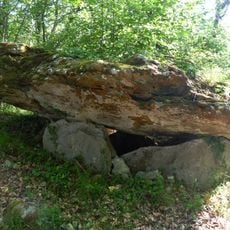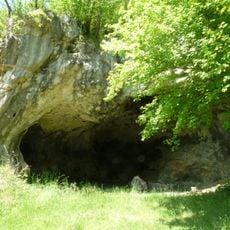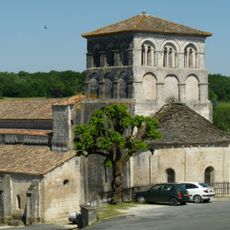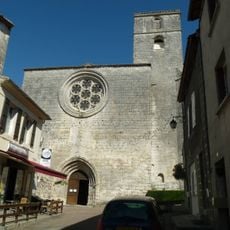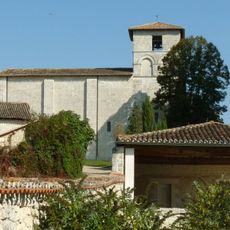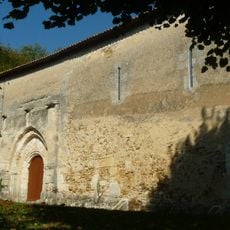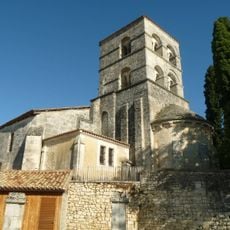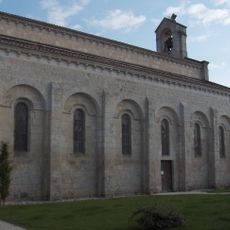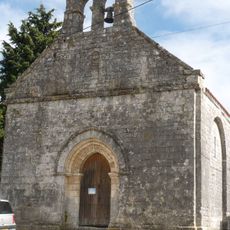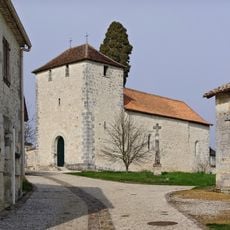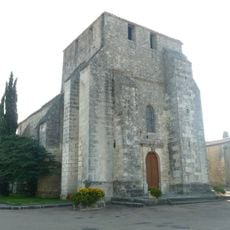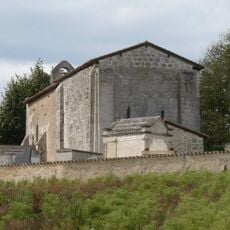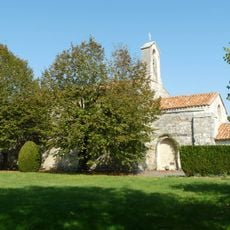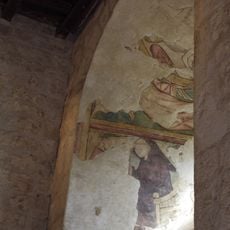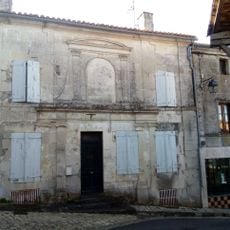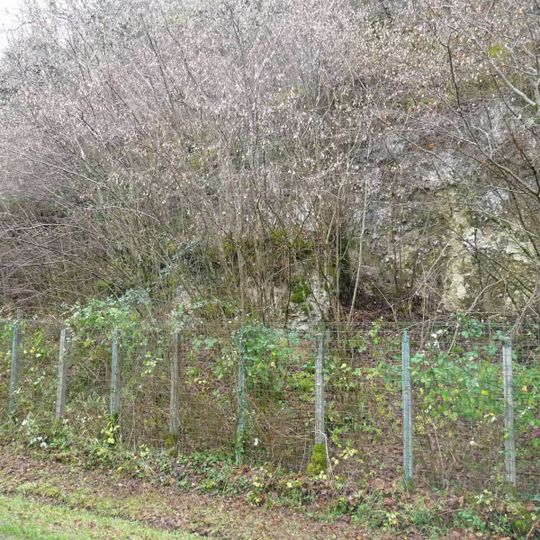
La Quina, Archaeological excavation site in Gardes-le-Pontaroux, France.
La Quina is an archaeological excavation site in Magnac-lès-Gardes with two distinct dig areas containing different prehistoric layers. The upper zone reveals remains from the Mousterian period, while the lower section holds findings from the Aurignacian era.
The site was first discovered in 1872 and extensively excavated during the 20th century by Dr. Henri Martin and his daughter Germaine. Their scientific work revealed much about early human life in this region.
La Quina gave its name to a specific type of stone tool made by Neanderthals, featuring distinctive flaking methods that appear nowhere else in the same form. Visitors recognize the site as key to understanding how these ancient peoples shaped their hunting and cutting implements.
The site itself has limited visitor access as it remains an active excavation area, but most discoveries are displayed at the National Archaeological Museum in Saint-Germain-en-Laye and regional museums. Those interested in Neanderthal artifacts can view and study these collections in person.
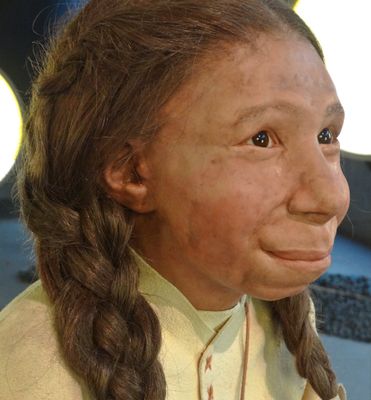
Two significant Neanderthal skull remains were discovered here, including bones of a child about 7 to 8 years old. These rare human remains offer insights into the physical development and lifespan of these early people.
The community of curious travelers
AroundUs brings together thousands of curated places, local tips, and hidden gems, enriched daily by 91,794 contributors worldwide.