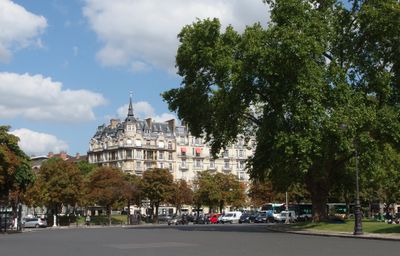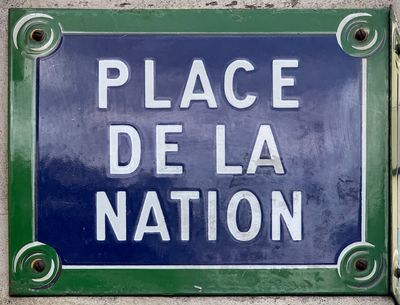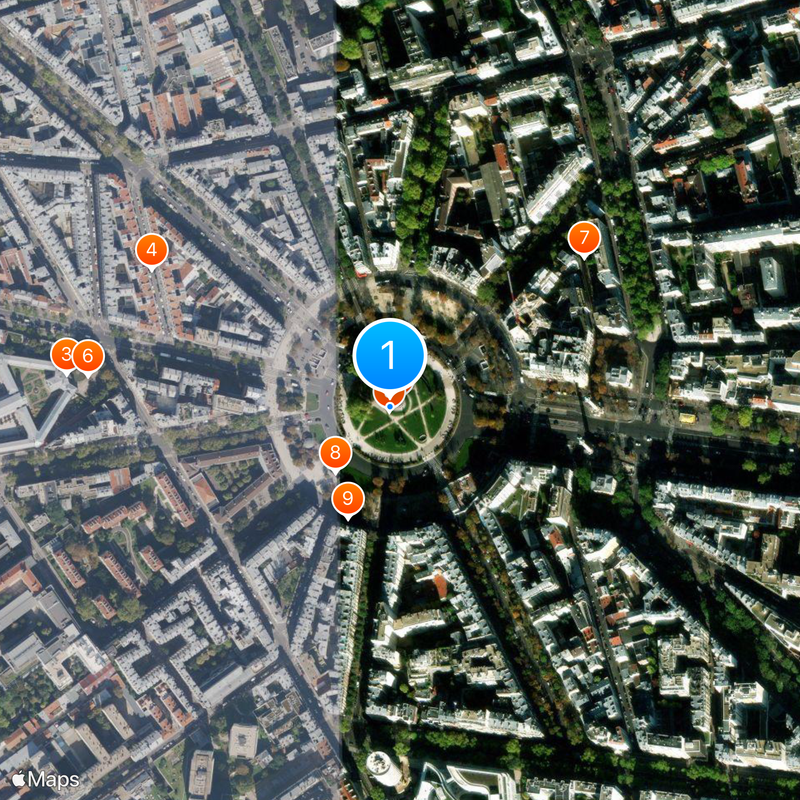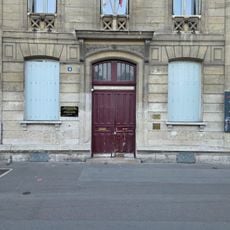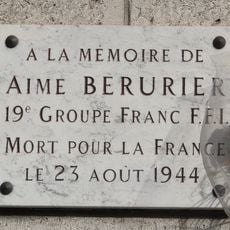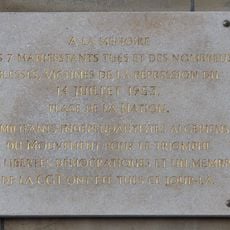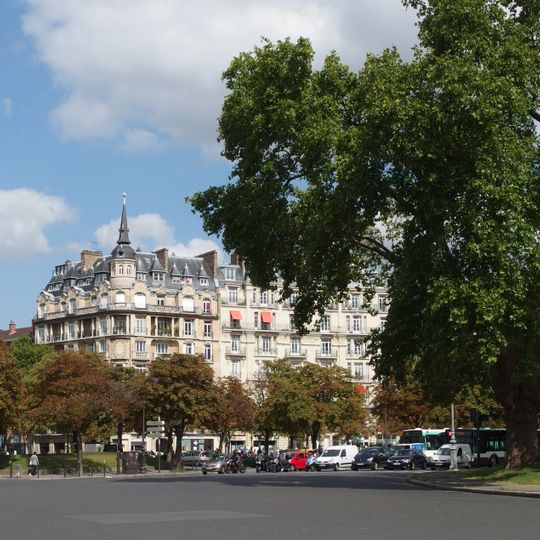
Place de la Nation, Circular square at the border of 11th and 12th arrondissements, Paris, France
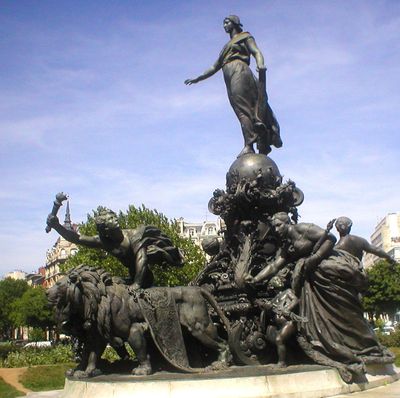
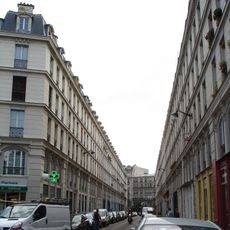
Place de la Nation is a large circular square located at the border between the 11th and 12th arrondissements, surrounded by classic Parisian building facades. At its center stands a bronze monument depicting the Republic, created by sculptor Aimé-Jules Dalou.
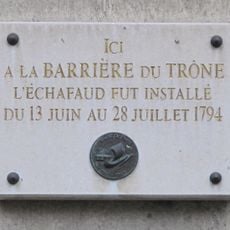
The square was created in 1660 as Place du Trône to celebrate King Louis XIV's wedding. During the French Revolution, it became a site of guillotine executions before taking its current name in 1880.
The square took its current name in 1880 and serves as a symbol of French republican ideals through its central monument. Today, you can observe how locals and visitors gather here as a meeting point that connects the city's past and present.
The square is easily reached by public transit and functions as a major transportation hub in eastern Paris with multiple metro lines. Visitors should be prepared for the large open area and wear comfortable shoes when exploring the zone.
Two limestone columns designed by Claude-Nicolas Ledoux in the 18th century mark the square's eastern edge and once served as a tax collection point. These quietly placed structures are often overlooked by visitors despite their role in the area's administrative past.
The community of curious travelers
AroundUs brings together thousands of curated places, local tips, and hidden gems, enriched daily by 60,000 contributors worldwide.