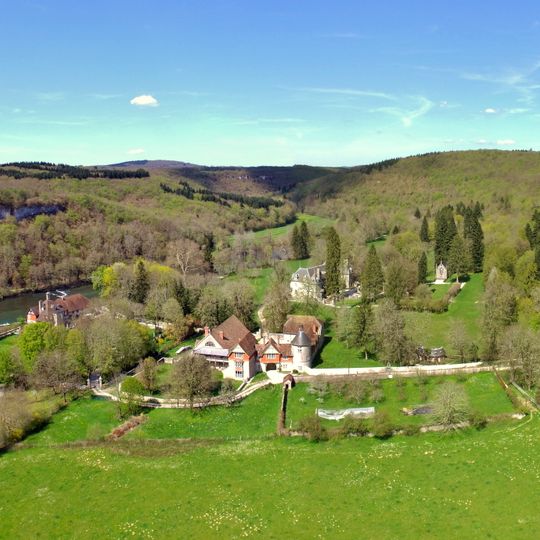
Abbaye de Buillon, Cistercian abbey in Chenecey-Buillon, France
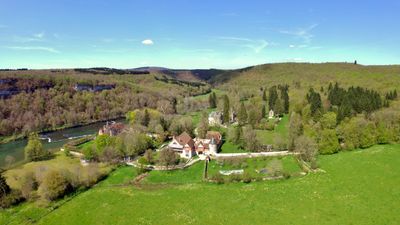
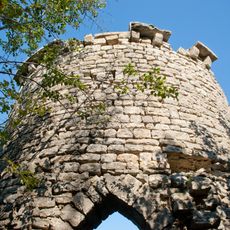
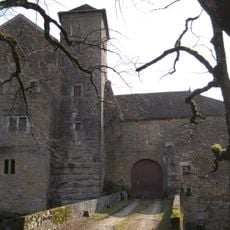
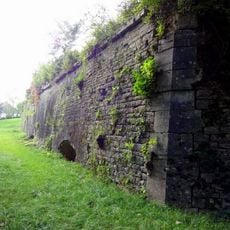
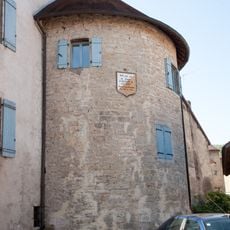
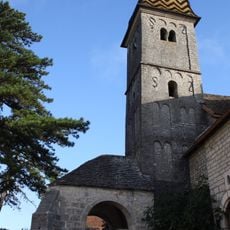
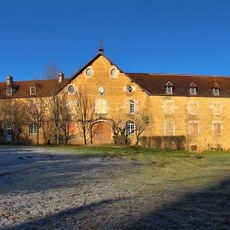
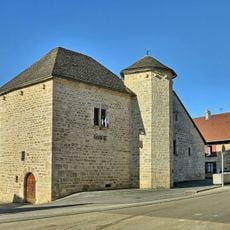
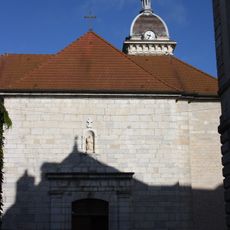
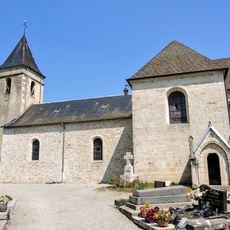
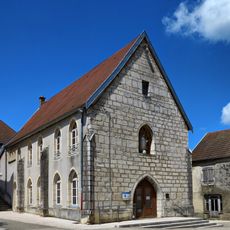
The Abbaye de Buillon is a Cistercian monastery in the Doubs region featuring the plain stone architecture typical of this monastic order. The buildings are designed with function in mind and deliberately lack ornate decoration, reflecting the order's core values.
Founded by Burcard, abbot of Balerne, on land given by the Chenecey brothers, the abbey was consecrated in 1134 by Archbishop Humbert de Scey. Known as "Bullio pauper" for its poverty, it was suppressed in 1536, though some sources say it lasted until the Revolution, when its buildings were sold.
The abbey's name appears as Billon, Billoy or Billy in old charters, and its poverty earned it the nickname "Bullio pauper". A local legend tells of Huberte de Scey, who received a collar of three rows of pearls from the Virgin to ransom her captive husband; the pearls were kept at the abbey. Glazed floor tiles from the church are now in the Musée des Beaux-Arts in Besançon.
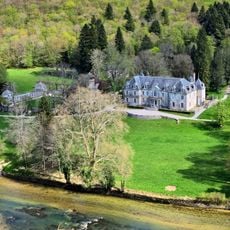
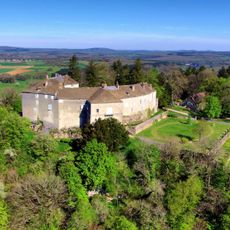
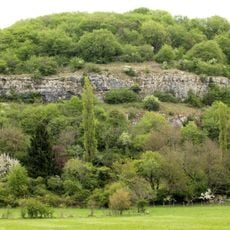
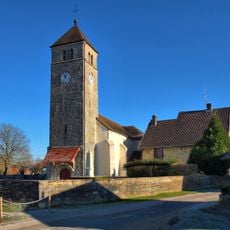
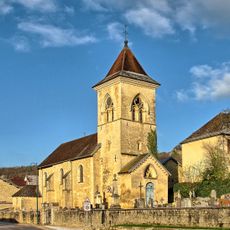
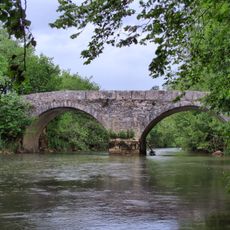
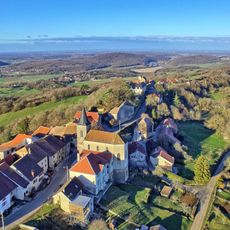
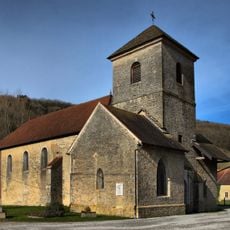
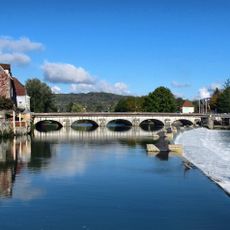
The former abbey lies in a meander on the right bank of the Loue, upstream from Chenecey-Buillon about 18 km south of Besançon. The site is now a working farm; the church apse with its three round-arched windows and rose window survives among the farm buildings. The abbey palace became a château, and glazed floor tiles from the site are kept at the Musée des Beaux-Arts in Besançon.
The abbey's nickname, "Bullio pauper", recorded in old charters, reflects its persistent poverty despite fishing and grazing rights. A legend tells that Huberte de Scey, held captive's wife, received a collar of three rows of pearls from the Virgin and used a few to pay her husband's ransom; the pearls were kept at the abbey.
The community of curious travelers
AroundUs brings together thousands of curated places, local tips, and hidden gems, enriched daily by 94,657 contributors worldwide.