Château de Buillon, Renaissance château in Chenecey-Buillon, France
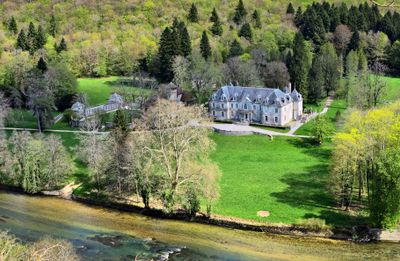
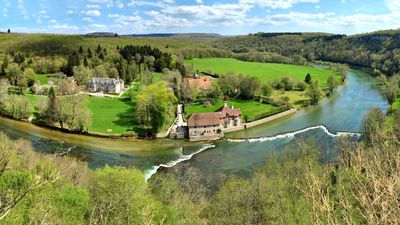
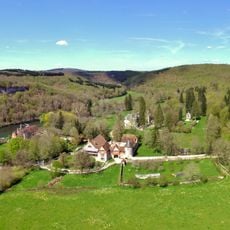
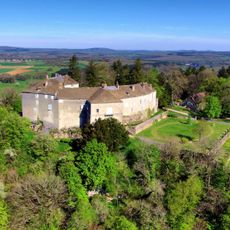
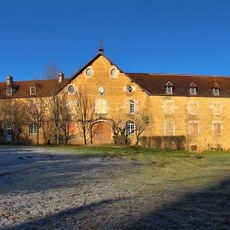
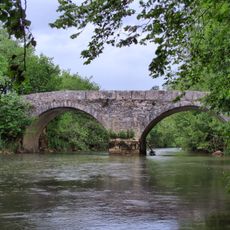
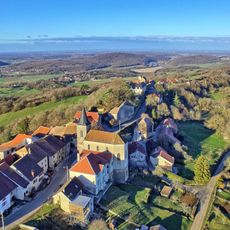
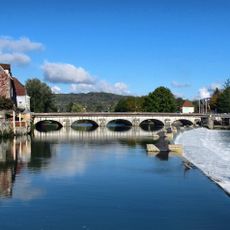
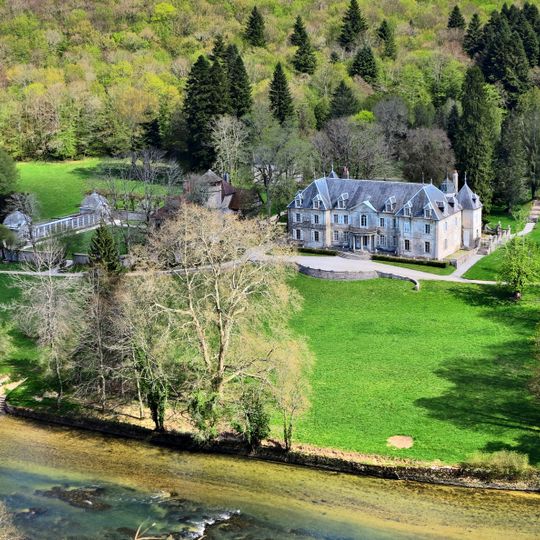
Château de Buillon is a rectangular Renaissance building on the right bank of the Loue, built on the base of the former Cistercian abbey's abbot's palace. Its central facade, set slightly back, carries a semicircular balcony on four Doric columns; the left part dates from the late 16th century, the right part and south wing from the mid-18th century. The park along the river holds a kiosk, greenhouse, garden canal, pond and aviary.
The central section left of the steps dates from the late 16th century, when the building served as the abbot's residence for the Cistercian abbey of Buillon; the right-hand section and south wing were added in the mid-18th century. The abbey was sold as national property during the Revolution, after which the château became the home of Chenecey's forge master. In 1846 it was bought by Marcel Tissot, a cloth merchant from Franche-Comté who had made his fortune in Nantes.
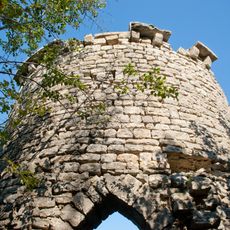
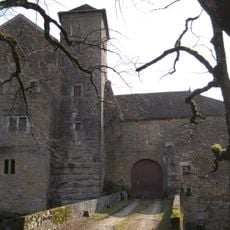
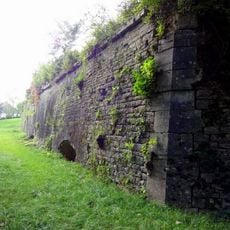
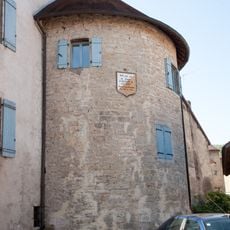
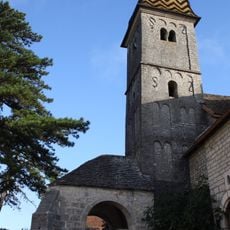
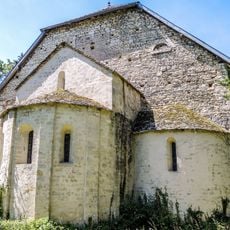
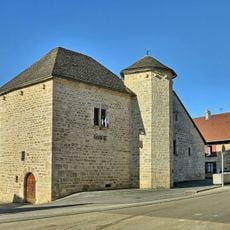
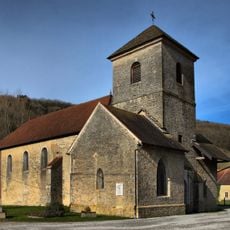
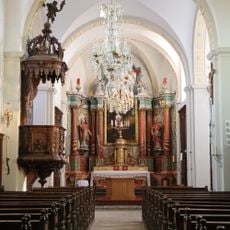
James Tissot, son of the draper Marcel Tissot who bought the estate in 1846, added pseudo-medieval features to the park, among them a ruined false tower at the property's edge, plus outbuildings in Anglo-Norman style such as the entrance building and the lodge. He died at Buillon on 8 August 1902 and lies in the castle's private chapel.
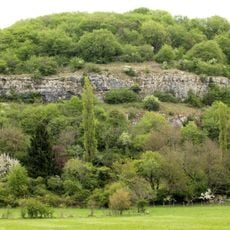
This property remains a private residence closed to visitors, though the surrounding landscape and river area can be appreciated from public viewpoints. The grounds are best observed from external vantage points along the riverbank.
James Tissot did not just retire here: in the park he had a fake ruined tower built along the property boundary, plus an entrance building and a lodge in Anglo-Norman style. He died at Buillon on 8 August 1902 and lies in the castle's private chapel.
The community of curious travelers
AroundUs brings together thousands of curated places, local tips, and hidden gems, enriched daily by 94,658 contributors worldwide.