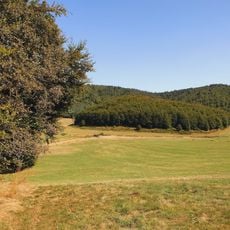
Mazan Abbey, Cistercian abbey ruins in Mazan-l'Abbaye, France
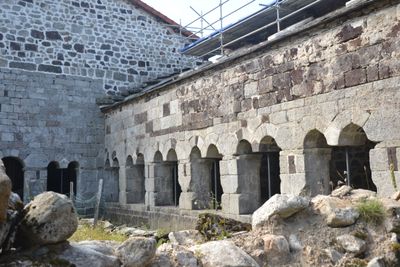
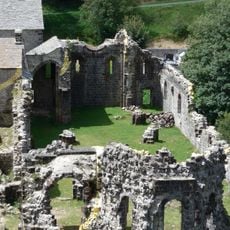
Mazan Abbey sits at about 1100 meters elevation in the Ardèche department and shows the basic layout of a monastery with church remains, cloister areas, and service buildings. The standing walls and foundations reveal the structure of a medieval Cistercian monastery.
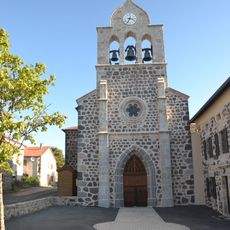
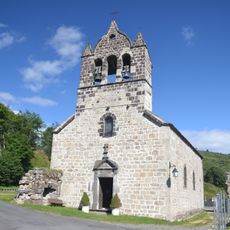
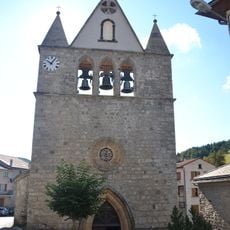
Founded in 1120 from Bonnevaux Abbey, Mazan absorbed an existing community of canons and became mother house to Silvanès, Le Thoronet, Bonneval and Sénanque. It was plundered in the Hundred Years' War and by the Huguenots, then revived and rebuilt in the 18th century. The French Revolution suppressed it in 1790, after which its stone was quarried for the modern village church.
The ruins show how monks lived and worked in this remote location, with spaces designed for prayer and daily tasks. The layout of the buildings reflects the simple way of life that residents practiced.
The site is mainly open to visitors during Heritage Days events and offers chances to explore the preserved structures. The remote location at high elevation requires good footwear and preparation for changing weather.
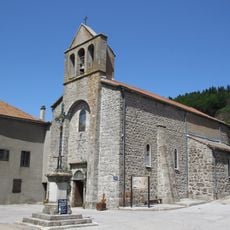
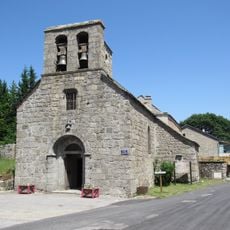
The abbey church survived the Revolution because the parish kept using it, but it was judged too large and cold; a smaller church was built around 1845 with stones taken from the monastery, and the old church was abandoned as a parish church in 1843. The ruins were classified as a monument historique in 1946.
The community of curious travelers
AroundUs brings together thousands of curated places, local tips, and hidden gems, enriched daily by 94,652 contributors worldwide.