Episcopal City of Albi, Medieval episcopal complex in Occitanie, France.
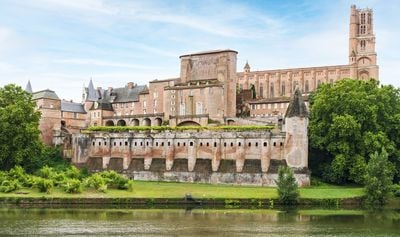
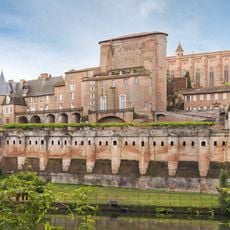
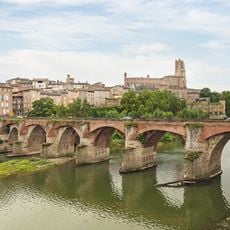
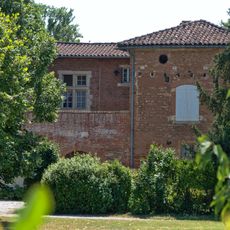
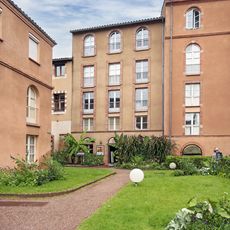
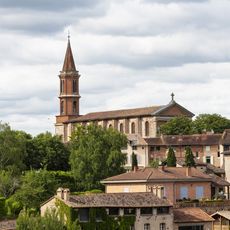
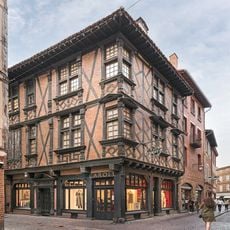
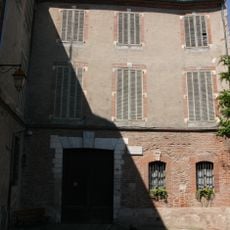
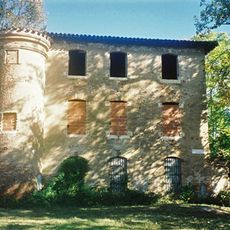
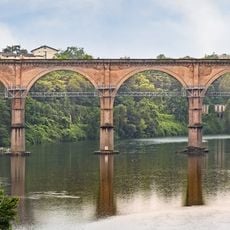
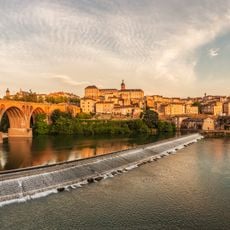
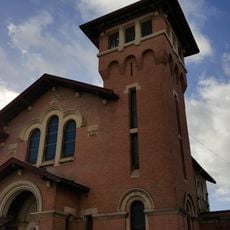
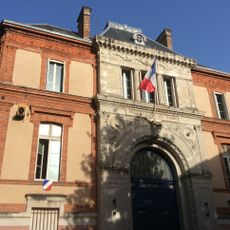
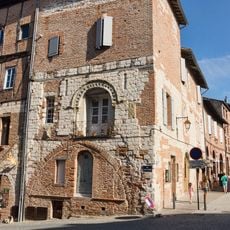
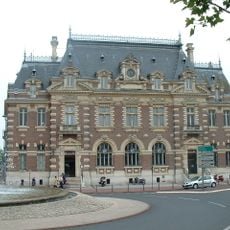
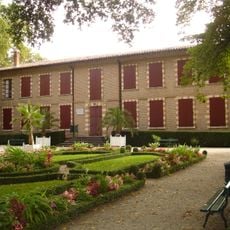
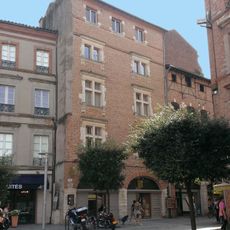
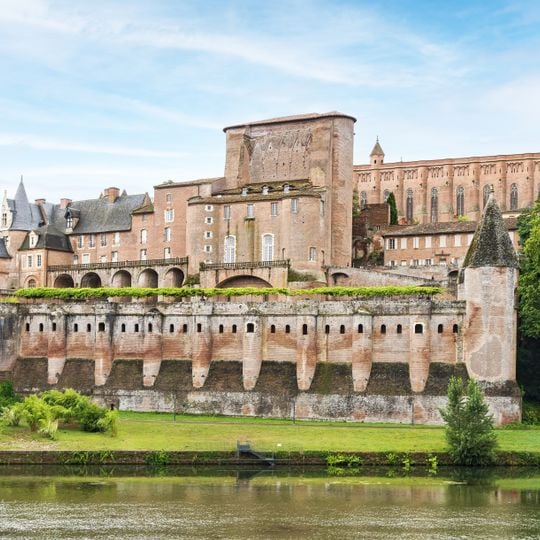
The Episcopal City of Albi is a medieval complex of red brick buildings centered on the Saint-Cecilia Cathedral and the Bishop's Palace overlooking the Tarn River. The site spans connected streets and squares where religious and residential structures from centuries past create the urban fabric.
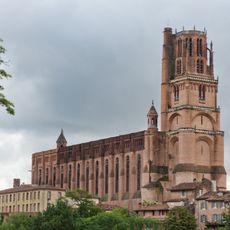
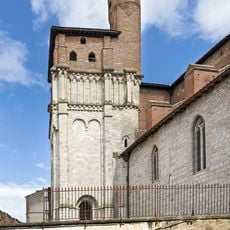
Construction of the Cathedral started in 1282 following the Albigensian Crusade, when the Church sought to strengthen its authority in the region. The fortress-like features of the Cathedral and the expansion of the Bishop's Palace over centuries reveal how this location became a center of Christian power.
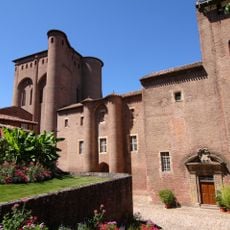
The Bishop's Palace today holds the Toulouse-Lautrec Museum, displaying paintings by the French artist born here who captured turn-of-the-century life and entertainment scenes. This collection shapes how visitors understand the city's artistic legacy.
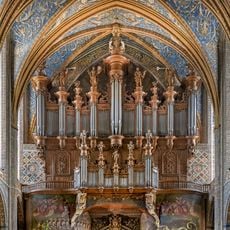
The site is easily explored on foot since the main buildings are close together and the medieval streets are compact and navigable. Guided tours with explanations of the architecture and interior details help visitors understand the complexity of the complex.
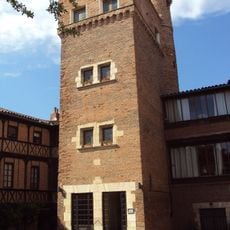
The Cathedral was built entirely from local red brick, giving it a distinctive visual unity that sets it apart from other European cathedrals. This choice of material shapes the appearance and character of the entire site to this day.
The community of curious travelers
AroundUs brings together thousands of curated places, local tips, and hidden gems, enriched daily by 60,000 contributors worldwide.