Mont Saint-Clair, Limestone hill in Sète, France
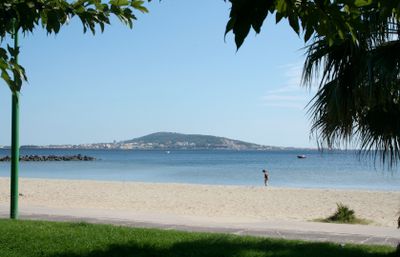
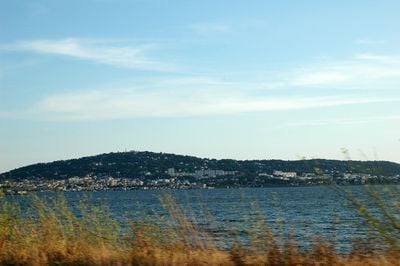
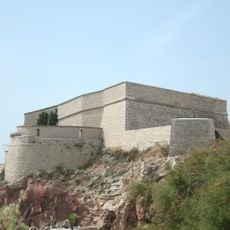
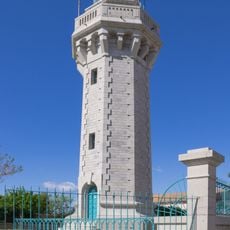
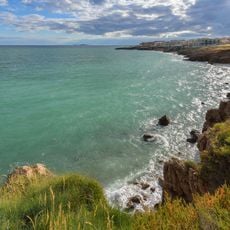
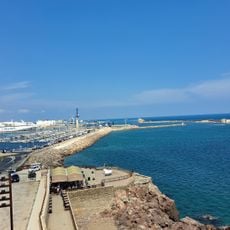
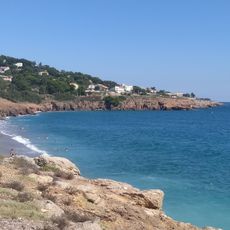
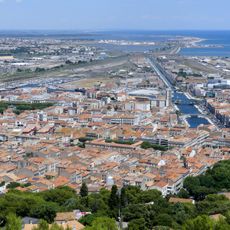
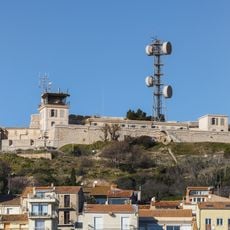
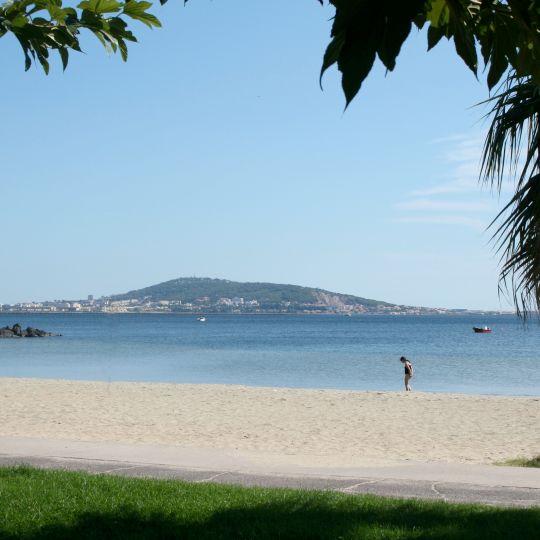
Mont Saint-Clair is a 175-metre limestone hill in Sète, its wooded slopes rising from the Mediterranean and the Étang de Thau. The summit holds the Notre-Dame-de-la-Salette chapel, built in 1861, and a monumental illuminated cross installed in 1866. On the eastern flank above the port stand the Richelieu fort and a 23-metre octagonal stone lighthouse first lit in 1903.
The hill served as a lookout for pirates and privateers from the 12th century, when an oratory to Saint Clair stood on the summit. In 1586 the fortin de Montmorencette was built against Barbary attacks; Richelieu had it demolished in 1632. The hermit Hilarion then settled the ruins, and in 1678 the site was dedicated to Saint Clair, reputed to cure eye diseases.
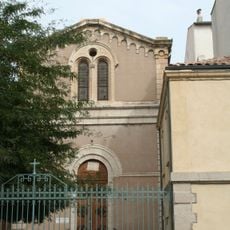
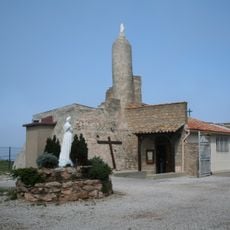
The summit cross has stood on the hill since 1866; in 2009 a public subscription covered two thirds of its renovation. The chapel at the top, built by Sète's fishermen and residents in 1861, was dedicated to Notre-Dame de La Salette three years later, and its side-chapel walls are hung with votive offerings. Frescoes painted in 1952 by Pierre Bringuier decorate the interior.
You can reach the summit by climbing a stairway of about 200 steps or by taking local bus service, with the walk taking roughly 20 to 30 minutes. The path is well-marked, though the climb is steady throughout.
In 1973, traces of a Bronze Age settlement were found at the hill's foot in the Étang de Thau, two metres below the present water level. The hill also served as a third-category climb on the 13th stage of the 2012 Tour de France.
The community of curious travelers
AroundUs brings together thousands of curated places, local tips, and hidden gems, enriched daily by 93,438 contributors worldwide.