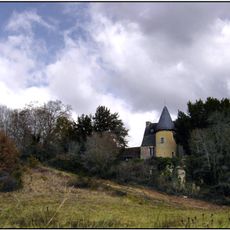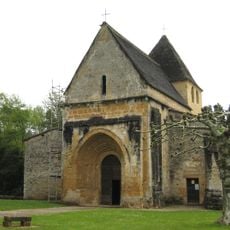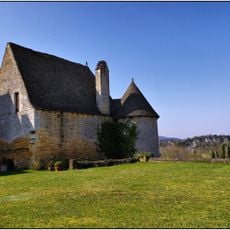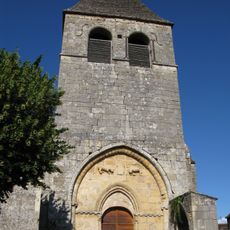
Pech de l’Azé, Prehistoric archaeological site in Carsac-Aillac, France
Pech de l'Azé is an archaeological complex comprising five caves located in the Énéa Valley near the Dordogne River in southwestern France. The site contains multiple layers of prehistoric deposits spanning different periods of human occupation and settlement.
The site was discovered in 1816 and designated as a historical monument in 1927, which triggered extensive archaeological investigations. Excavations since then have documented human presence spanning from the Middle Paleolithic through later prehistoric periods.
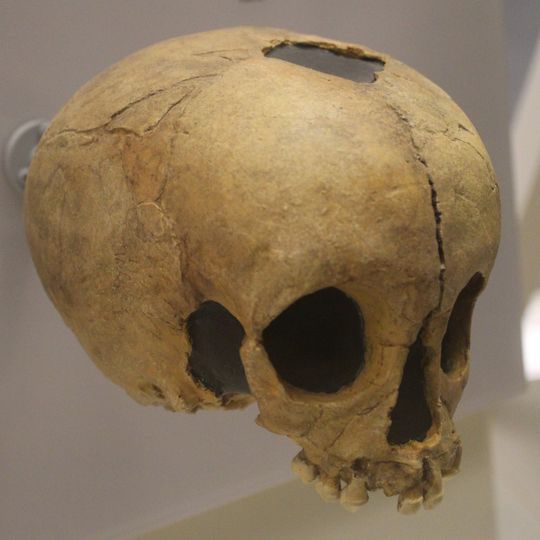
The site reveals how Neanderthals lived in this valley, particularly through the discovery of a child's remains and manganese dioxide blocks used for coloring. These finds show the daily practices and material knowledge of people who inhabited the area thousands of years ago.
The site is not freely accessible and requires advance permission to protect the archaeological remains. Visitors should contact local authorities or regional museums for information on arranging a visit and understanding the access procedures.
Research at the site has identified seven distinct geological phases that reveal detailed patterns of human activity during the Quaternary period. These multi-layered deposits create a rare record for understanding how people adapted and changed their way of living over vast spans of time.
The community of curious travelers
AroundUs brings together thousands of curated places, local tips, and hidden gems, enriched daily by 60,000 contributors worldwide.