Théâtre de l'Œuvre, Theater building in the 9th arrondissement of Paris, France
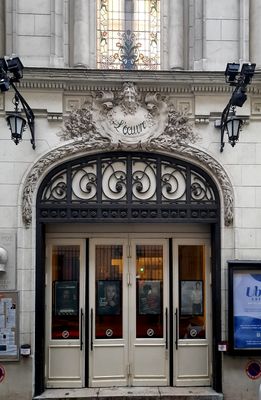
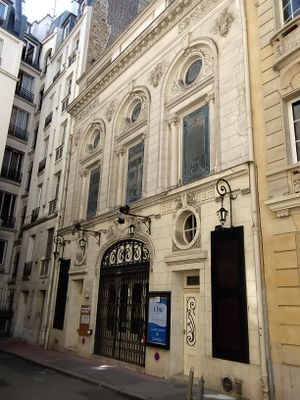
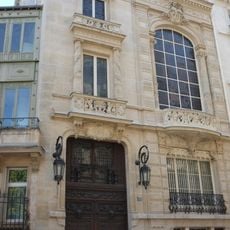
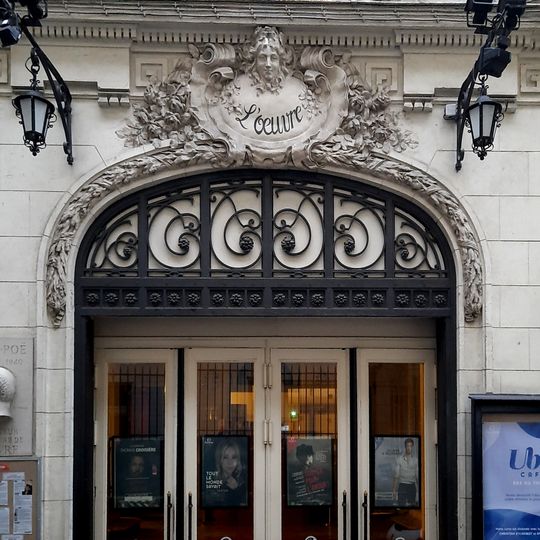
The Théâtre de l'Œuvre stands at 3, Cité Monthiers, entered from 55 rue de Clichy. Its pale stone facade has a wide arch filled with a black wrought-iron grille of scrollwork, each curl holding a small floral ornament, and a carved relief above showing a face among foliage with "l'Œuvre" on a scroll. Four glass-paned doors sit below, flanked by black lanterns.
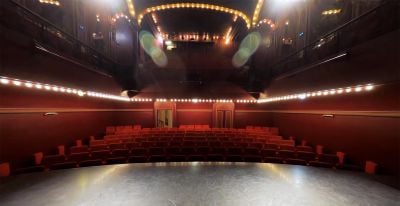
The hall opened in 1892 as the Salle Berlioz, a public concert hall with orchestra and three-sided balcony seating, named after Hector Berlioz, who had lived nearby. Lugné-Poe's Symbolist company, founded in 1893, premiered Ubu Roi at the Nouveau-Théâtre in 1896 and took over this venue on 22 December 1912 with Claudel's L'Annonce faite à Marie. The theatre joined the CANAL+ group in 2024.
The name comes from the company's 1893 founding as the Maison de l'Œuvre, a Symbolist troupe that premiered Maeterlinck's Pelléas et Mélisande at the Bouffes-Parisiens and staged Jarry's Ubu roi in 1896 with Firmin Gémier. Lugné-Poe reserved only 100 seats for subscribers and gave the rest away free, aiming at a "theatre for the people".
The theater sits near the Liège metro station and is easy to reach by public transport. Visitors should check the current program ahead of time and book tickets in advance to secure a seat.
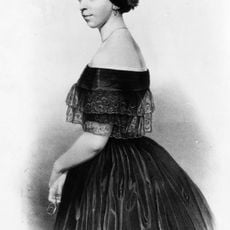
The building began as a small private theatre built by the Duke of Gramont on his property, where his mistress, the opera singer Mademoiselle Coupé, lived; it was renovated in 1892 as a public concert hall named Salle Berlioz, after the composer who had lived nearby on rue de Calais. Lugné-Poe's company did not perform there during its 1893–1899 phase.
The community of curious travelers
AroundUs brings together thousands of curated places, local tips, and hidden gems, enriched daily by 93,453 contributors worldwide.