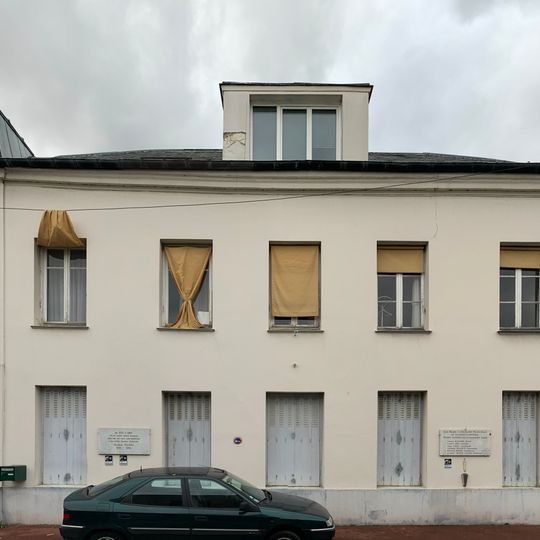
Château de Sevran, 18th-century castle in Sevran, France
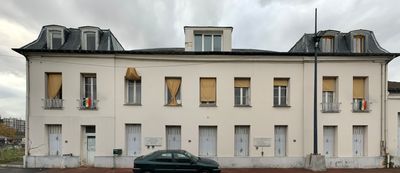
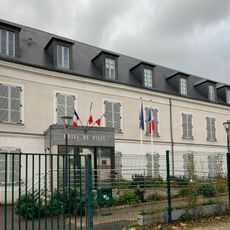
The maison du Fayet, wrongly called château de Sevran, is a two-storey bourgeois house on rue Roger-Le-Maner, 48 m long and 9.50 m wide, with an apse wing. Its pale facade has five upper windows and five shuttered ground-floor openings, with two plaques and an oval plaque. Built without foundations by act of 19 July 1747, it was extended by 19th-century brick laboratories.
The castle was built in 1747 and gained prominence when Alfred Nobel established his research laboratories there in 1880 to study powder production. This scientific use linked the building to the industrial development of the region.
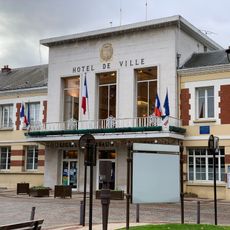
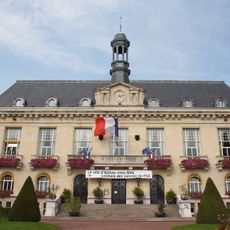
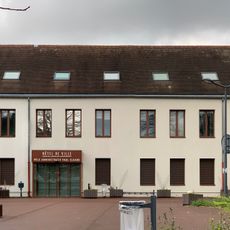
The building housed the town hall for more than 100 years, serving as the civic center of Sevran until 2015. This role made it a recognizable landmark for residents and visitors alike.
The site houses a radio club and municipal services in the 19th-century brick buildings. Access may be limited depending on current activities, so it is wise to check ahead about visiting conditions.
The castle was deliberately chosen because the imperial powder factory of Sevran-Livry stood nearby. This proximity to an existing production facility made the location particularly valuable for Nobel's research work.
The community of curious travelers
AroundUs brings together thousands of curated places, local tips, and hidden gems, enriched daily by 94,001 contributors worldwide.