Carrières de Bibémus, Open-air quarry in Aix-en-Provence, France.
Carrières de Bibémus is a seven-hectare open-air quarry east of Aix-en-Provence, where blocks of pale yellow ochre molasse were cut from sheer rock walls with flat tops. The stone is rough and pitted, with horizontal seams and darker hollows, and a few slender trees stand before the faces. Roman-cut grooves six to eight centimetres wide remain on some walls.
Bibémus was occupied at least since the early Iron Age, as a burial assemblage of a copper axe, a sword and bronze bracelets dated about 700–550 BC shows. Stone was quarried from the Roman era, when Aquae Sextiae was founded, and extraction flourished in the 17th and 18th centuries with the city's growth and the creation of the Mazarin quarter. Working slowly declined in the 19th century in favour of the better Rognes stone, and the quarries closed in 1885.
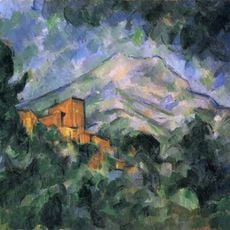
Paul Cézanne spent time here studying how light played across the stone faces for his paintings. The quarry held artistic appeal for him as a subject where color and form could be explored in detail.
Entry to the site requires joining a guided tour that departs from the parking area called Trois Bons Dieux. Wear sturdy footwear and be prepared for uneven ground and exposure to sun across the open terrain.
Near Cézanne's cabanon, a study carved into the rock by his friend, the Aix sculptor Philippe Solari, can still be seen. In August 1897 Cézanne wrote to Solari inviting him to lunch at the Tholonet and to meet him around eight in the morning by the quarry where he had worked on a study.
The community of curious travelers
AroundUs brings together thousands of curated places, local tips, and hidden gems, enriched daily by 93,847 contributors worldwide.