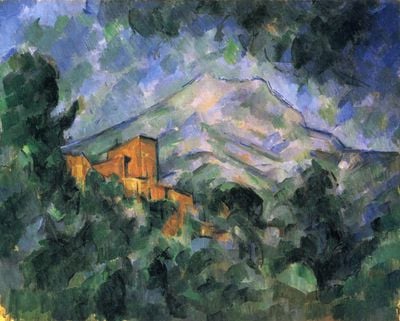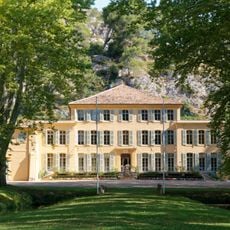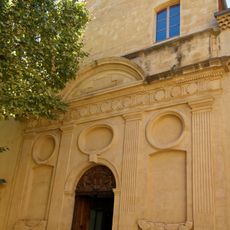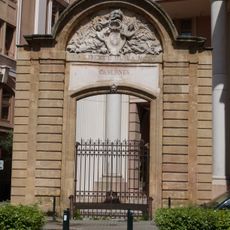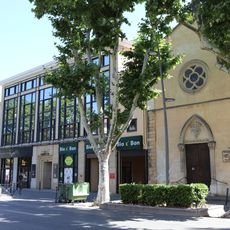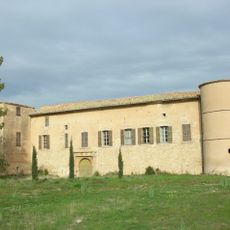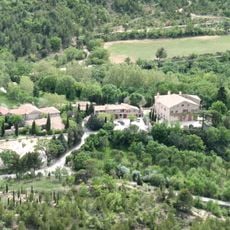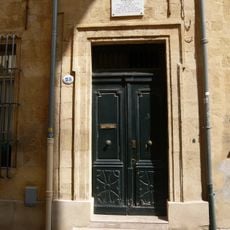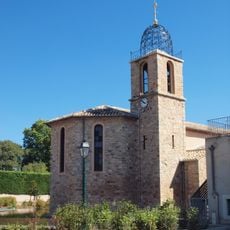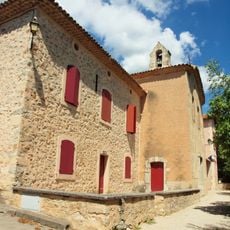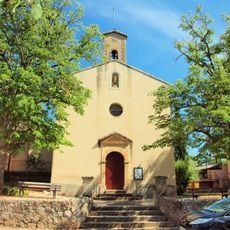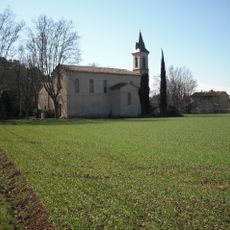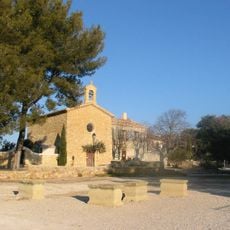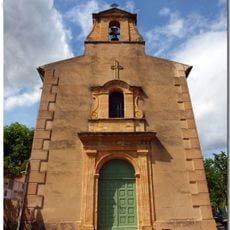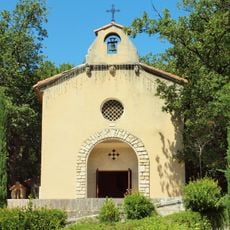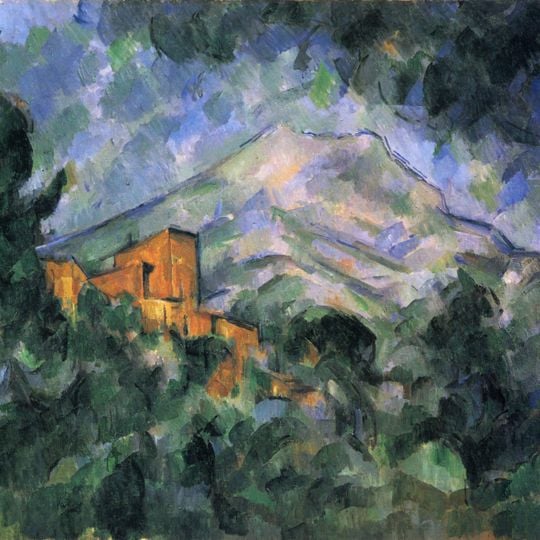
Château Noir du Tholonet, Neo-Gothic bastide in Le Tholonet, France.
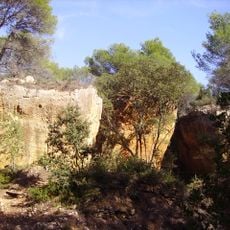
Château Noir du Tholonet is a Neo-Gothic estate with stone walls in ochre yellow tones sourced from the nearby Bibémus quarries. The residence contains sixteen apartments and features pointed arched windows that define its distinctive character throughout.
First documented in the 12th century, the estate passed to the Gallifet family in the 17th century and remained in their hands for over two centuries. Its transformation into the Neo-Gothic structure visible today reflects later architectural movements that shaped its distinctive design.
Paul Cézanne painted this location repeatedly between 1888 and 1904, renting a shed on the grounds to store his materials. The artist found the landscape and architecture endlessly compelling and visited often during his time in the region.
The property operates as a private residence, but visitors can view its exterior during summer evenings and on designated heritage days. The best vantage points for observing the facade and distinctive windows are from the surrounding grounds and nearby walking paths.
The name may derive from a charcoal merchant, chemical experiments, or a dark pigment that once covered the walls before fading to yellow. These mysterious origins add an intriguing layer to the estate's story for art historians and visitors interested in Cézanne's world.
The community of curious travelers
AroundUs brings together thousands of curated places, local tips, and hidden gems, enriched daily by 91,210 contributors worldwide.