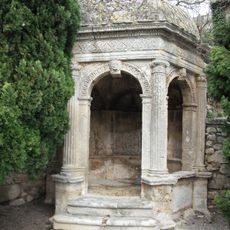
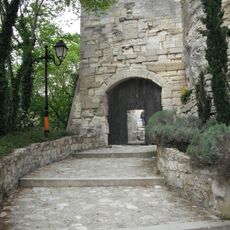
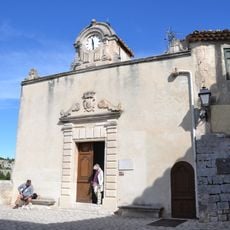
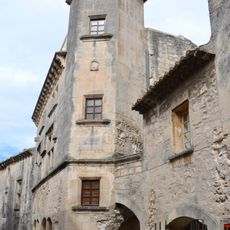
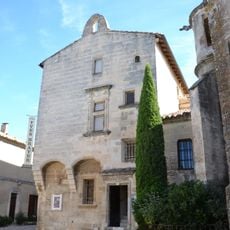
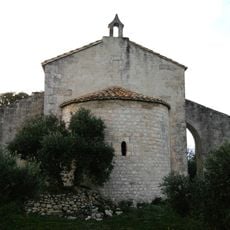
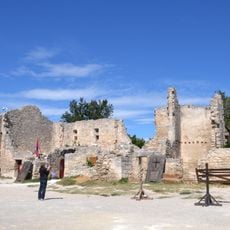
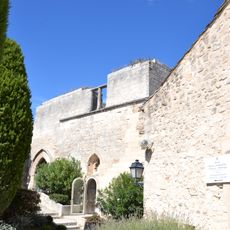
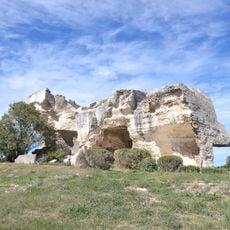
Castrum de Montpaon, Medieval archaeological site in Fontvieille, France.
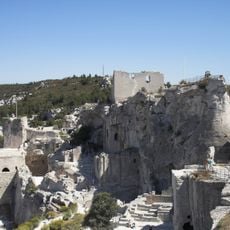
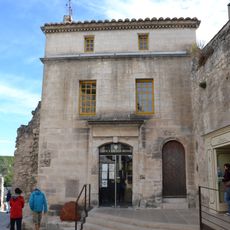
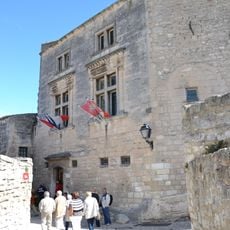
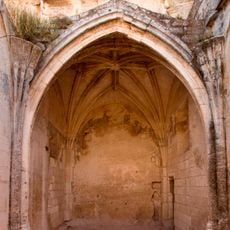
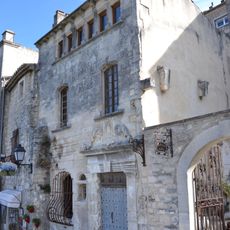
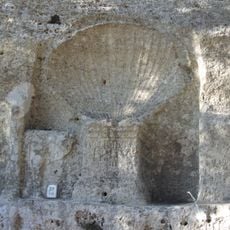
Castrum de Montpaon is an archaeological site on a limestone hill where defensive walls and living quarters were carved directly into the rock. The location is divided into three distinct areas separated by ramparts, with remains of a manor house and a rock-cut cistern at the upper level.
The site was occupied mainly between the 12th and 14th centuries as a dependency of the Baux family, watching over the marshes of Les Baux. In 1396 men of Raimond de Turenne seized the castle and used it as a base for ransoming the region; the settlement was badly damaged and part of its defences demolished. The castle passed to the counts of Provence in 1427, and in 1595 the sieur de Saint-Roman took it by force before a two-month siege dislodged him; the fortifications were razed in 1596, though the chapel was spared.
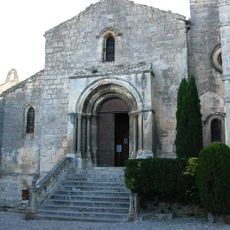
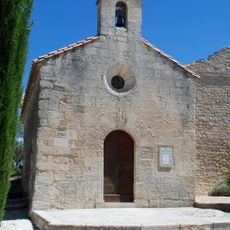
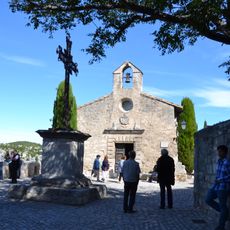
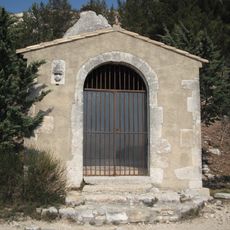
The chapel is first documented in 1213 as Sainte-Marie du Montpaon, in a list of taxed places of worship from the council of the diocese of Arles. In 1374 Antoine des Baux called it a chapel and asked to rest there for a year before transfer to Silvacane. A pastoral visit of 1681 records the name Saint-Cyprien, by then in ruins.
Access to the site is by footpath leading up to the limestone hill where the archaeological remains are located. A visit on foot allows you to explore the different areas and structures at close range.
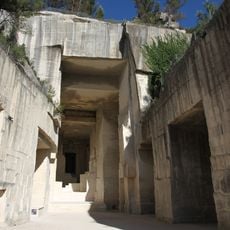
Archaeological investigations uncovered a medieval quarry at the base of the rampart, showing that stone was extracted directly on site for construction. This quarry is rare evidence of how residents built their fortified structure using local resources.
The community of curious travelers
AroundUs brings together thousands of curated places, local tips, and hidden gems, enriched daily by 93,605 contributors worldwide.