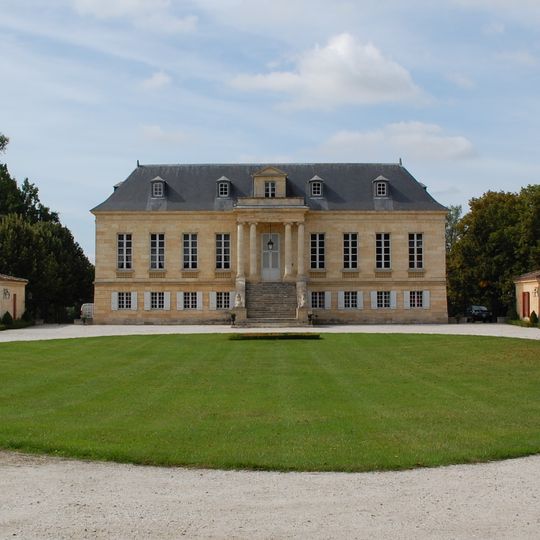
Château La Louvière, Wine estate and historical monument in Léognan, France
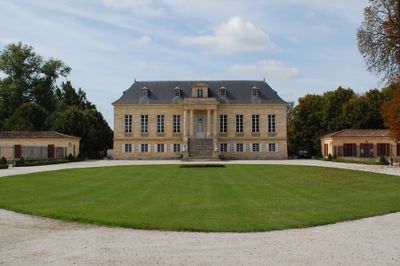
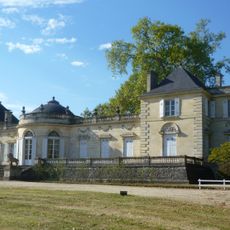
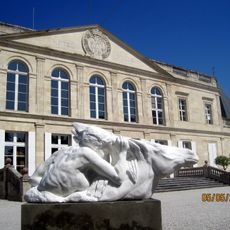
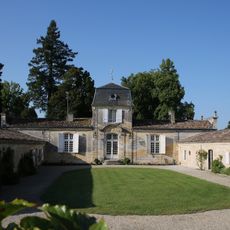
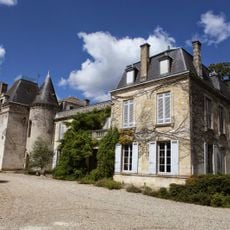
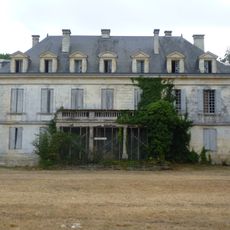
Château La Louvière is a neoclassical château and wine estate in Léognan, built between 1791 and 1799 by architect François Lhote for merchant Jean-Baptiste Mareilhac. The long rectangular building has a pale cream stone facade, a projecting portico with four columns carrying a balcony, and a dark grey mansard roof with dormers. Its outbuildings frame a cour d'honneur.
The estate was acquired during the French Revolution, when Jean-Baptiste Mareilhac commissioned architect François Lhote to design the present-day château building. This construction marked the beginning of a new chapter for wine production at the site.
The estate name comes from La Lobeyra, the plot where vines were first planted in 1476 on land held by the Guilloche family since 1398. In 1620 the Carthusian order of Notre Dame de Miséricorde received the property and restored it, producing red and white wines shipped to Picardy, England and Flanders. The second wine is called L de La Louvière.
The château stands in Léognan, in the Pessac-Léognan appellation south of Bordeaux. The building is a private working estate, so visits depend on the owner's arrangements; ask ahead before travelling. The neoclassical facade, the stone staircase and the cour d'honneur formed by the château and its outbuildings are the elements to look for on arrival.
The painter François-Louis Lonsing decorated the rotunda salon's grisailles and ceilings but died at La Louvière in spring 1799, poisoned by the toxic pigments in his paints; the Bordeaux painter Pierre Lacour completed the work. The château has been listed as a monument historique since 13 September 1991.
The community of curious travelers
AroundUs brings together thousands of curated places, local tips, and hidden gems, enriched daily by 94,657 contributors worldwide.