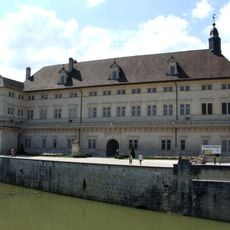
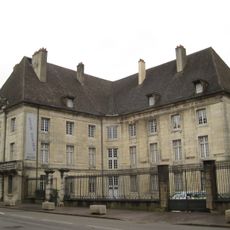
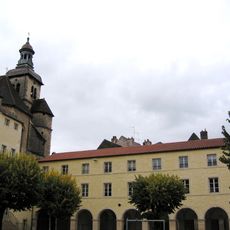
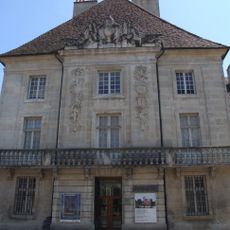
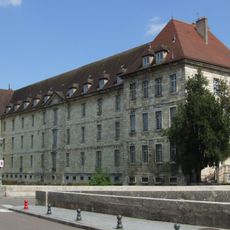
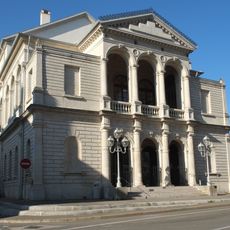
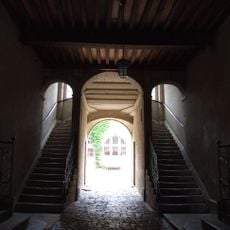
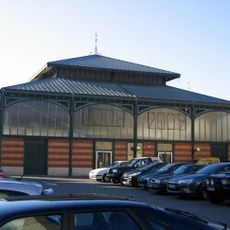
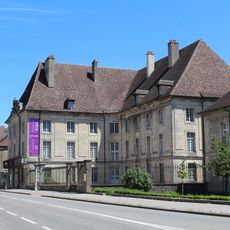
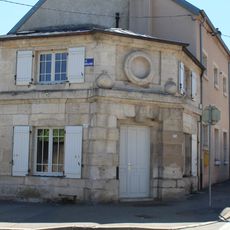
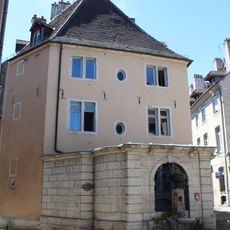
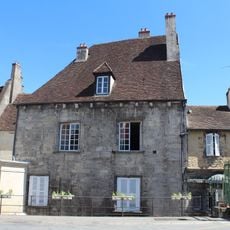
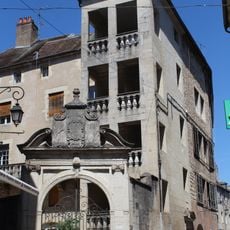
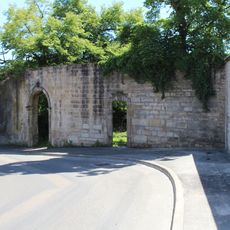
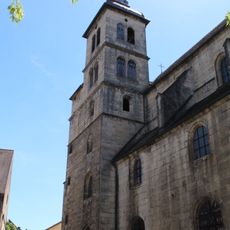
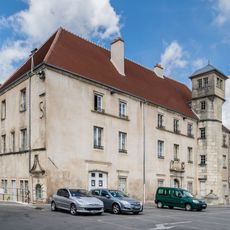
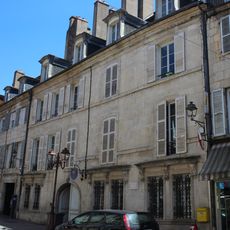
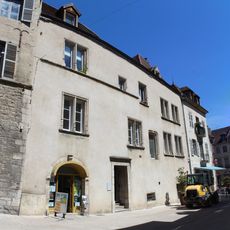
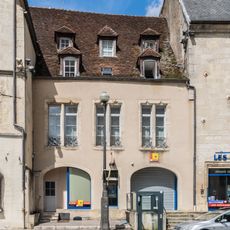
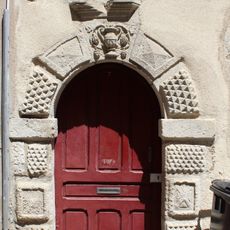
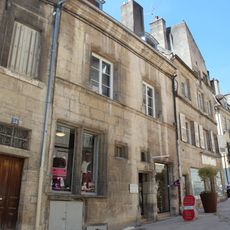
Cordeliers convent in Dole, Renaissance convent in Dole, France.
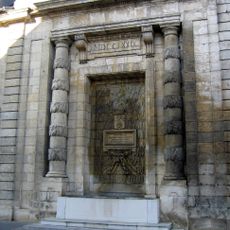
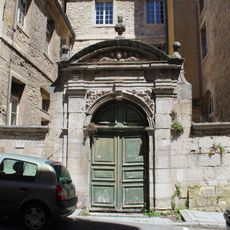
The Cordeliers convent in Dole has a Renaissance portal with four red stone columns flanking the entrance and a large tympanum that once held religious statues. The conventual buildings, rebuilt in the 18th century, are arranged around a cloister with round arches on Tuscan pillars and a 16th-century well at its centre. The church is a single vessel ending in a polygonal apse with ribbed vaulting.
Pope Gregory XI authorised the convent in 1372 for twelve friars, backed by the de Rye family and Countess Marguerite I. Thiébaud de Rye laid the first stone in 1392, and the church was finished in 1429. François Alamand funded new buildings from 1521, completed in 1574, and Denis Le Rupt restored the convent between 1731 and 1760.
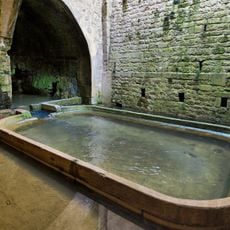
The cloister's 16th-century well was the first part of the former convent to be protected as a historic monument, in 1924. The arcades of the cloister rest on Tuscan pillars, and the conventual buildings around it were rebuilt in the 18th century. The name Cordeliers comes from the cord belt worn by the Franciscan friars.
The building is now private residential housing and generally not open to visitors unless special events or guided tours are offered. You can view the exterior facade and Renaissance portal from the street at Rue des Arenes.
The 1636 siege by Richelieu's troops cost the community 27 of its 29 friars, killed defending Dole. A cannonball fell near the church and shattered its stained-glass windows. The convent's survival into the 18th century owed much to Denis Le Rupt's restoration between 1731 and 1760.
The community of curious travelers
AroundUs brings together thousands of curated places, local tips, and hidden gems, enriched daily by 92,664 contributors worldwide.