Sandun dolmen, dolmen in Guérande, France
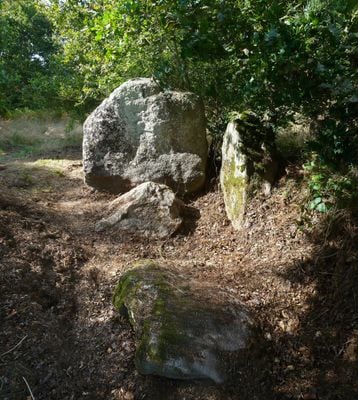
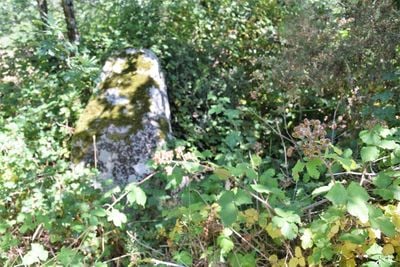
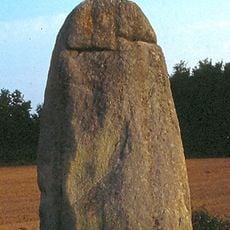
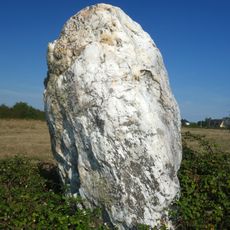
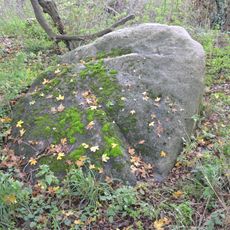
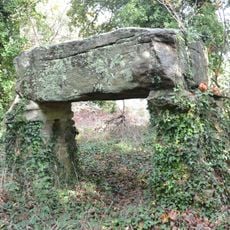
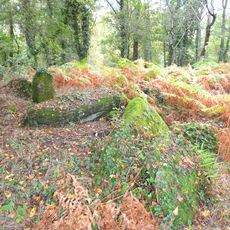
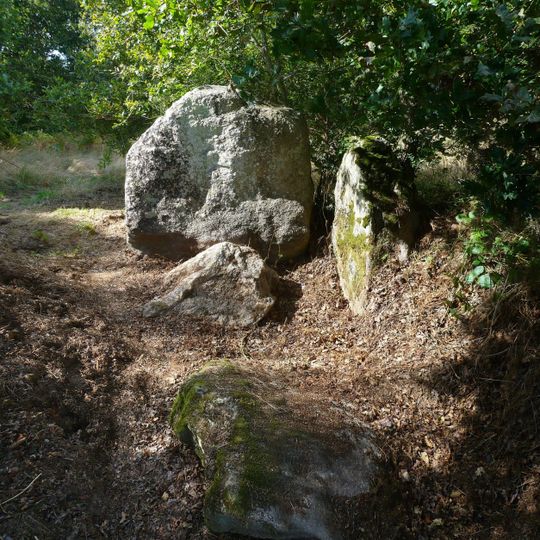
Sandun dolmen is a ruined gallery grave in Guérande, France, standing about one meter tall on a small hill overlooking the Brière wetlands. Its remaining upright granite stones form a rough rectangle, while many of the original covering slabs now lie on the ground or are hidden by plants.
The tomb was built during the Neolithic period, around 4500 years ago, as a covered chamber for the dead. In 1896, Henri Quilgars excavated the site and recorded its fallen slabs and upright stones, and the monument has been protected as a classified historical monument since 1935.
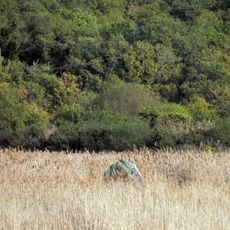
Local stories describe this place as a spot of power where early communities connected with their spirits, a sense that still lingers among the weathered stones. Its position on the hill makes it a natural landmark, visible against the open fields and the nearby wetland that shapes daily life around Guérande.
The site is outdoors and fully exposed to sun, wind, and rain, so comfortable shoes and weather-appropriate clothing make the visit easier. The ground can be uneven around the fallen stones, and the low hill offers a clear view over the surrounding marshy landscape below.
The 1896 dig revealed large fires with ashes and charcoal inside the chamber, along with two rough pottery vessels, one black and one red. Nearby, a 1987 excavation uncovered traces of a small Neolithic village, suggesting the people who used this tomb lived just a short walk away.
The community of curious travelers
AroundUs brings together thousands of curated places, local tips, and hidden gems, enriched daily by 60,000 contributors worldwide.