Musée de Die, Archaeological museum in Die, France
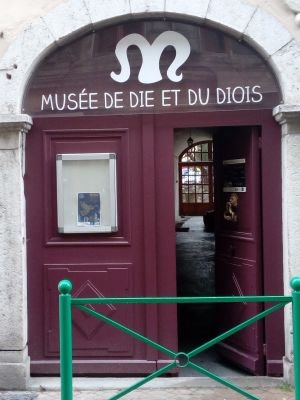
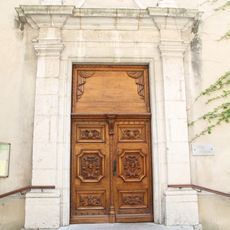
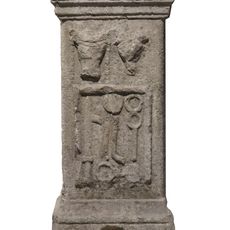
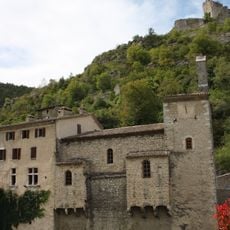
The musée de Die is an archaeological museum housed in an old private mansion in the heart of Die, in the Drôme. It displays finds from a wide area around the town, including stone objects, coins, documents, and photographs that shed light on daily life across many centuries.
The museum was founded in 1905 by mayor Joseph Reynaud to house finds from Albert Gayet's excavations at Antinoöpolis in Egypt. Roman and medieval remains from Die soon joined them, along with a coin hoard found in 1883. Reynaud bequeathed his townhouse in 1941, and the museum opened there in 1949, timed to the 600th anniversary of the Dauphiné's attachment to France.
The museum's name refers to Die and the surrounding Diois region. Its founding collection came from Albert Gayet's excavations at the Coptic necropolis of Antinoöpolis in Egypt, shown in Paris at the Petit Palais before being distributed to regional museums. A coin hoard found in 1883 and linked to the Wars of Religion entered the collections early on.
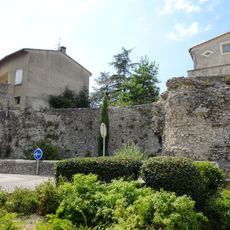
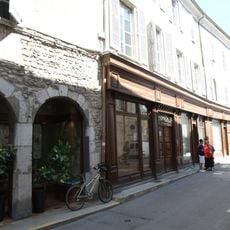
The museum sits in a quiet street in central Die and is easy to reach on foot or by bicycle. Guided tours and workshops for both children and adults run throughout the year, so any season is a good time to visit.
The collection ranks among the three largest archaeological collections in the former Rhône-Alpes region. It covers a span reaching back around 4,500 years, which shows just how long people have been living in this valley.
The community of curious travelers
AroundUs brings together thousands of curated places, local tips, and hidden gems, enriched daily by 92,848 contributors worldwide.