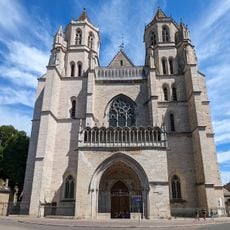
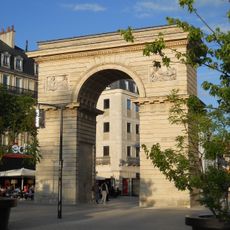
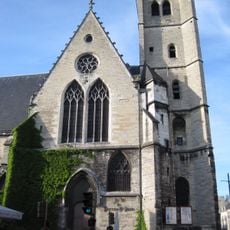
Musée archéologique de Dijon, Archaeological museum in Abbaye de Saint-Bénigne, Dijon, France
The Musée archéologique de Dijon occupies a former Benedictine dormitory building and displays artifacts from prehistoric times through the Middle Ages across multiple floors. The rooms hold objects that archaeologists uncovered in the region.
The museum was founded in 1832 by a local antiquities commission and moved to its current location in 1934, which was once part of a Benedictine abbey. This monastery had been a center of religious life in Dijon for centuries before that.
The museum's name comes from the Commission des Antiquités de la Côte-d'Or, which began the collection in 1832. On the ground floor, carved wooden ex-votos offered to the goddess Sequana at the source of the Seine are displayed; curator Frédérique Bouvard calls the duck-boat statue of Sequana the museum's "Mona Lisa."
The building sits next to the cathedral and is easy to reach on foot; plan about two hours for a visit. There are some stairs between floors, but the layout is straightforward and signage is clear.
The museum's best-known piece is a duckboat sculpture of the goddess Sequana, carved in wood, which curator Frédérique Bouvard called the museum's "Mona Lisa." It comes from the Gallo-Roman sanctuary at the source of the Seine, where pilgrims from as far as the Mediterranean left ex-votos.
The community of curious travelers
AroundUs brings together thousands of curated places, local tips, and hidden gems, enriched daily by 93,287 contributors worldwide.