Dijon Cathedral, Gothic cathedral in Dijon, France
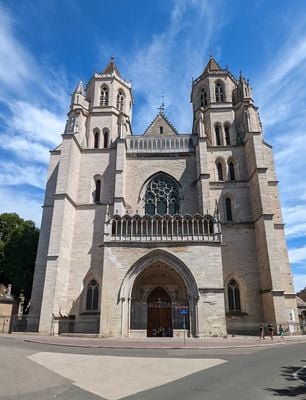
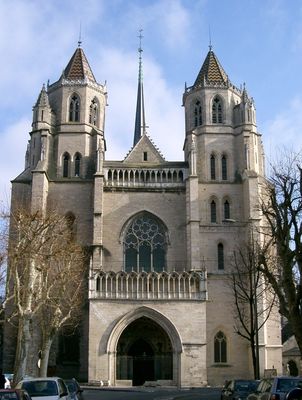
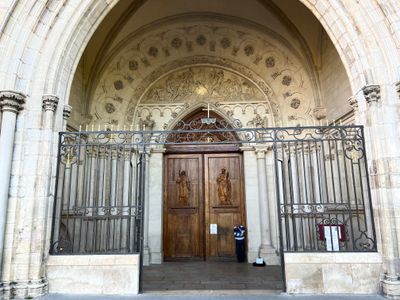
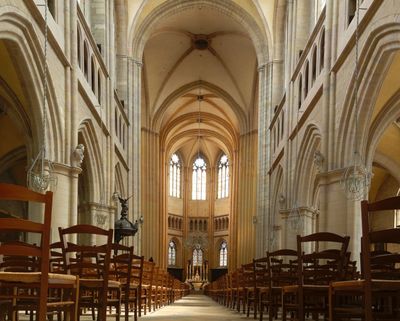
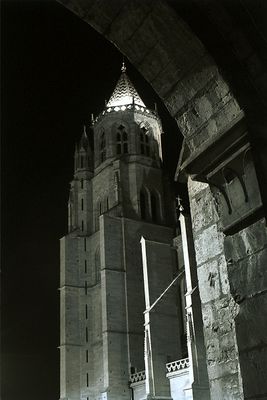
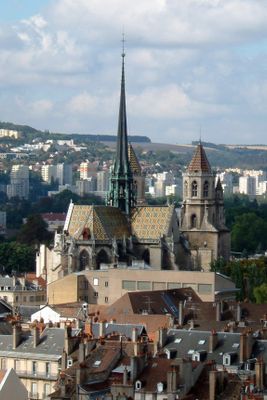
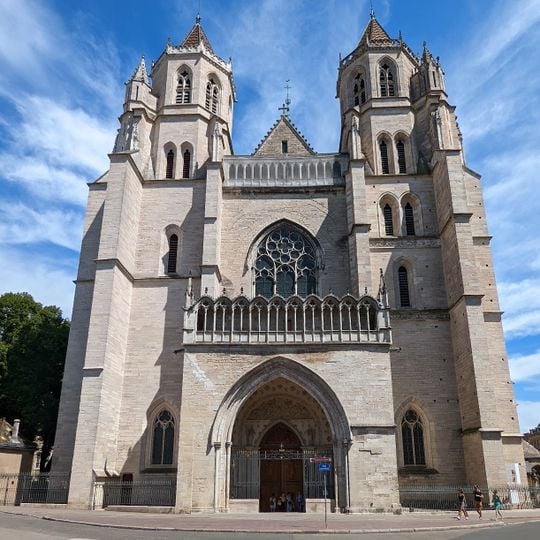
Dijon Cathedral, dedicated to Saint Benignus, is a Gothic building constructed between 1280 and 1325. Its facade has two square towers with pointed roofs, a central spire, a large pointed-arch window above an arcaded balcony, and a recessed portal. The interior is noted for its plain, severe character.
Construction began in 1280 following the destruction of an earlier church, and the building received its official consecration in 1393. This long construction period reflects the importance and resources the city devoted to creating this new religious center.
The cathedral functions as a gathering place for the faithful and hosts religious ceremonies alongside musical performances that draw people throughout the year. Visitors experience active worship and can observe how the community uses the space for both spiritual practice and cultural events.
The cathedral is open for visitors on most days, though hours may vary depending on the day of the week and religious observances. It is helpful to check beforehand if special events or ceremonies might affect general access during your visit.
The rotunda that once stood east of the church was pulled down in 1792 and its lower storey buried under the bishop's courtyard. It was rediscovered by chance in 1844, and from 1858 Jean-Philippe Suisse, supervised by Viollet-le-Duc, restored it, reusing the 11th-century columns where possible. Drawings by dom Urbain Plancher (1719–1722) record its lost upper levels.
The community of curious travelers
AroundUs brings together thousands of curated places, local tips, and hidden gems, enriched daily by 93,548 contributors worldwide.