See the monuments around you in AROpen chests in the app
Around Us is built for your phone — point your camera at the streets and discover the monuments and places around you in augmented reality.Around Us is built for your phone — chests unlock when you walk, explore and capture nearby places.
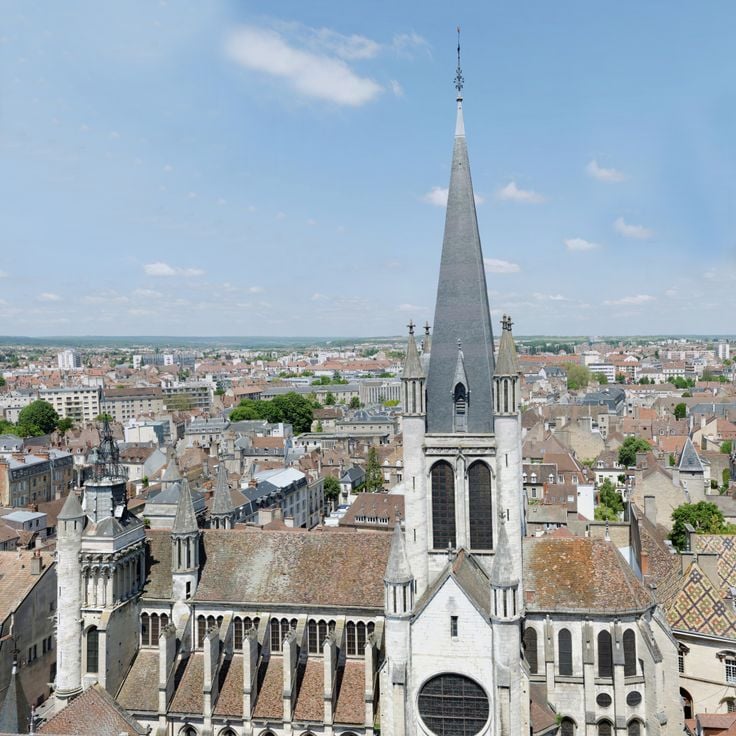
Dijon provides many locations for photography. The old city shows Gothic churches like Notre-Dame Cathedral alongside Renaissance palaces, especially the Palais des Ducs. Narrow streets with old buildings, several squares, and green spaces complete the picture. The Tower Philippe le Bon offers views across the city, while the Arquebuse Botanical Garden and Colombière Park invite visitors to linger.
The architecture spans from the Middle Ages to modern times. Churches like Saint-Michel and Saint-Bénigne display different styles. Buildings with interesting facades line streets such as Rue des Forges and Rue Verrerie. The Owl Trail leads through the streets and connects historical sites. Statues and carved details catch the eye at many corners.
Museums document life in the region. Squares like Place de la Libération and Place François Rude are gathering points with history. The Canal de Bourgogne offers another view of the city. Whether capturing facades, green spaces, or waterways, Dijon has something for every photographer.
Dijon provides many locations for photography. The old city shows Gothic churches like Notre-Dame Cathedral alongside Renaissance palaces, especially the Palais des Ducs. Narrow streets with old buildings, several squares, and green spaces complete the picture. The Tower Philippe le Bon offers views across the city, while the Arquebuse Botanical Garden and Colombière Park invite visitors to linger.
The architecture spans from the Middle Ages to modern times. Churches like Saint-Michel and Saint-Bénigne display different styles. Buildings with interesting facades line streets such as Rue des Forges and Rue Verrerie. The Owl Trail leads through the streets and connects historical sites. Statues and carved details catch the eye at many corners.
Museums document life in the region. Squares like Place de la Libération and Place François Rude are gathering points with history. The Canal de Bourgogne offers another view of the city. Whether capturing facades, green spaces, or waterways, Dijon has something for every photographer.
The Owl Trail in Dijon is a walking route marked by bronze signs embedded in the sidewalks of the city center. These markers guide you past the main historical monuments and architectural features that shape Dijon's character. The trail connects the Gothic Notre-Dame church, the Renaissance Palais des Ducs, and other significant buildings that tell the story of the city's past. This self-guided path allows you to explore the medieval streets, public squares, and gardens at your own pace.
The Palace of the Dukes of Burgundy in Dijon is a medieval residence that now serves as a museum and offers excellent opportunities for photography. Gothic architecture defines the building's exterior, while inside you find art collections that reflect the region's heritage. The 46-meter tower provides views across the city and is a rewarding subject for photographers documenting Dijon's history and architectural character.
The Arquebuse Garden offers photography opportunities for capturing plant life and garden design. This botanical garden in Dijon works well for documenting seasonal changes and the many blooms along the paths. With thousands of plant species, the garden provides good subjects for close-ups and details of the plant world.
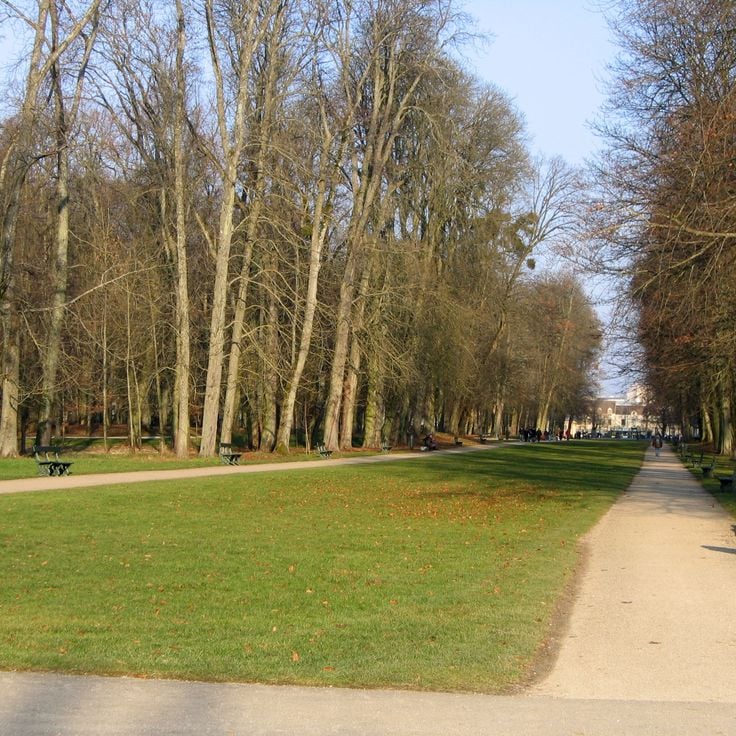
The Parc de la Colombière is a public garden in Dijon that offers compelling subjects for photography. Created in 1672, it features geometric pathways, centuries-old trees, statues, and a central avenue that extends for about 1 kilometer. This location fits naturally into Dijon's range of photography destinations, from Gothic churches to Renaissance palaces.
Notre-Dame Church of Dijon is a 13th-century church and a noteworthy photography location in the city. The building stands out for its 51 stone gargoyles on the facade, decorated with fine sculptural details. A distinctive feature is a mechanical owl statue that visitors touch as they pass. This church sits among other historic structures such as the Palais des Ducs and offers photographers multiple subjects to capture in the city center.
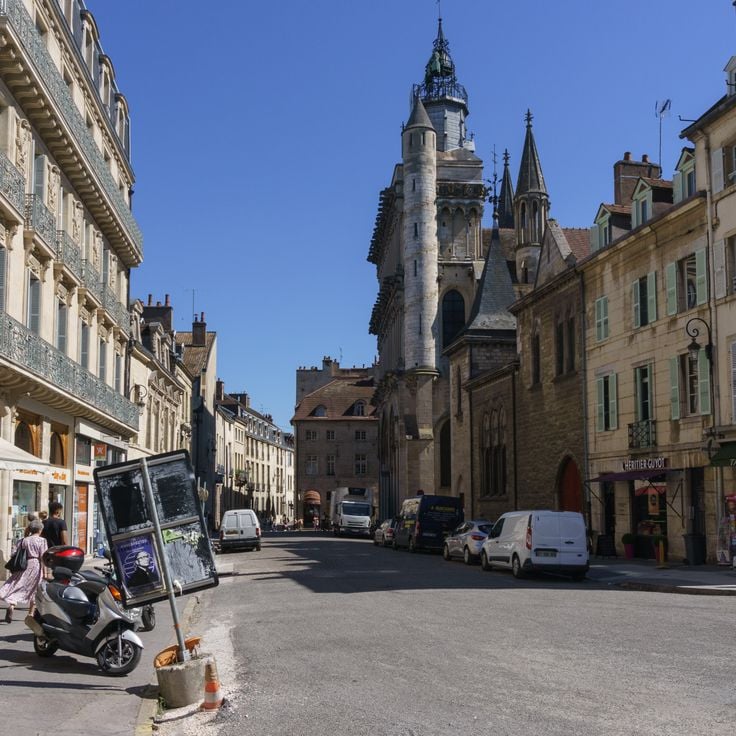
Rue des Forges in Dijon is a medieval street dating from the 15th century, lined with merchant houses. These buildings display ornate stone carvings and Gothic architectural details. The street offers numerous photo opportunities for those interested in historical architecture and medieval construction. It is one of the key photography locations in Dijon's city center, where medieval buildings, public squares, and gardens await visitors exploring the city.
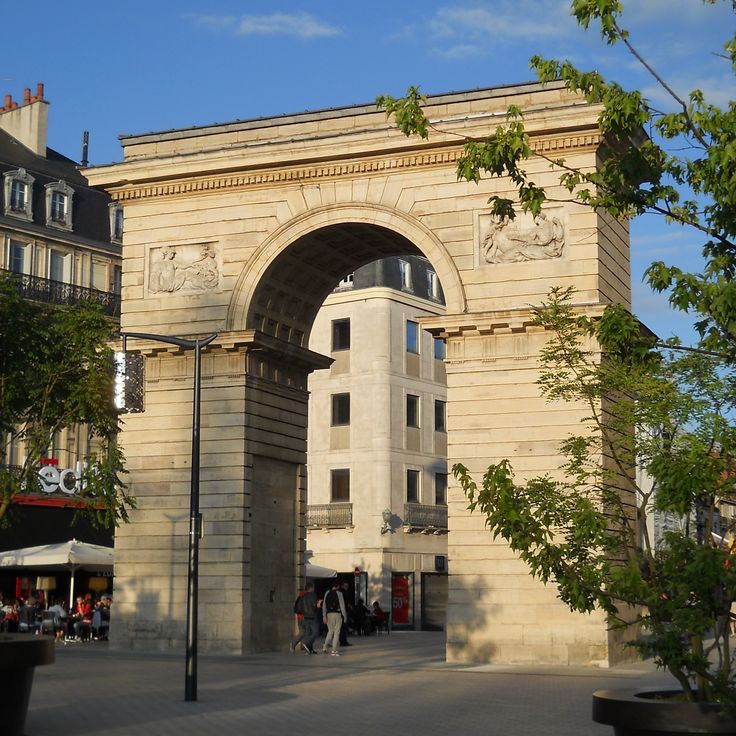
The Porte Guillaume is a stone gate from the 18th century with classical architecture and a large archway that marks the western entrance to Dijon's old city center. As a photography location in Dijon, this gate provides a good vantage point for capturing the historical city boundary and the classical building details that define the old town.
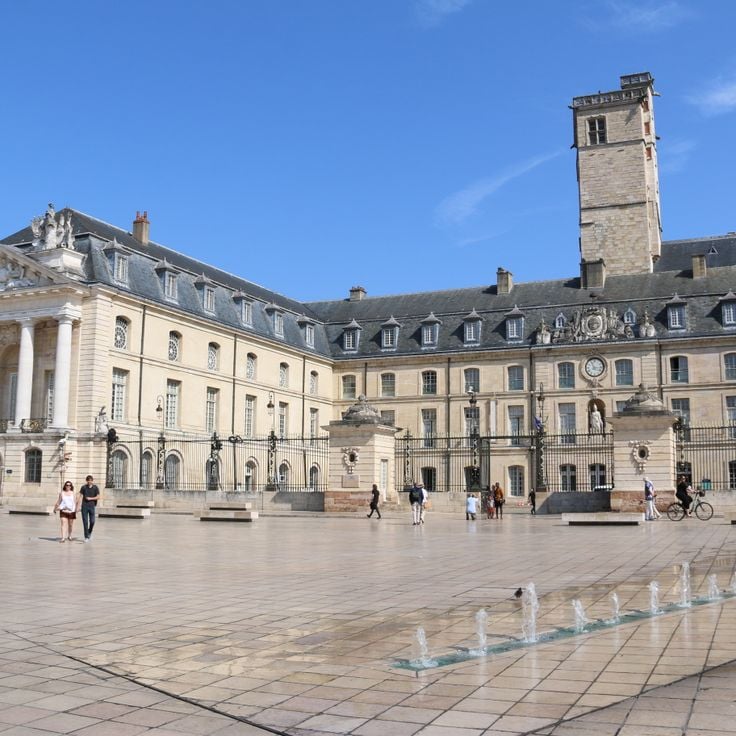
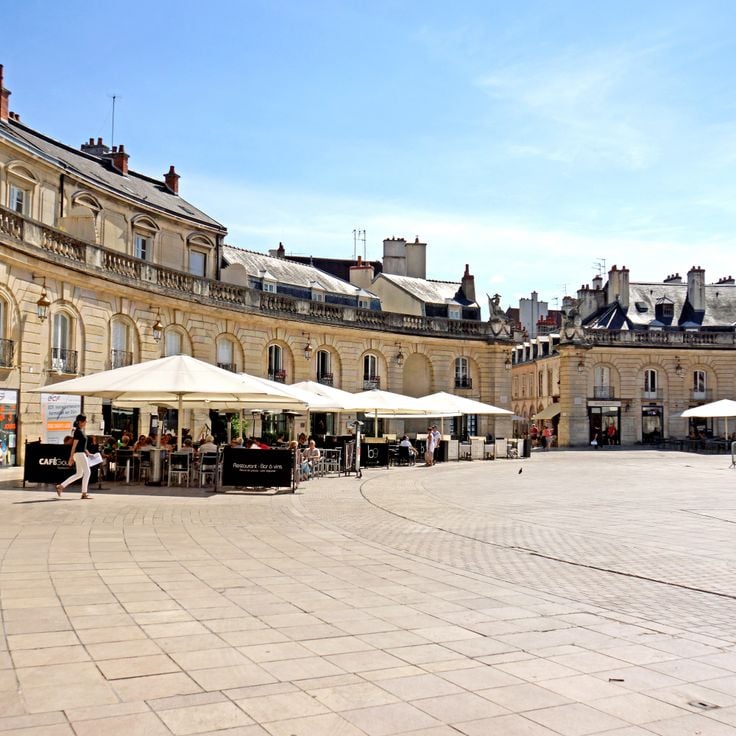
The Place de la Libération is a semicircular plaza built in 1686 in Dijon and serves as an excellent location for photography in the city center. Stone buildings and fountains frame this space, which faces the Palais des Ducs et des États de Bourgogne directly. The plaza's classical architecture and open layout make it ideal for capturing both the historic buildings and the changing light throughout the day, offering photographers views of how people move through this civic heart of Dijon.
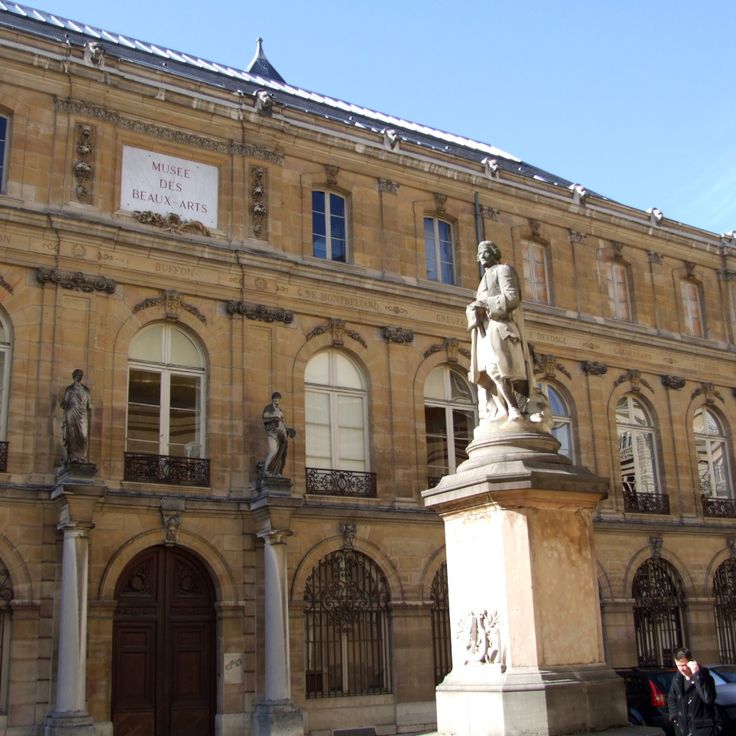
The Musée des Beaux-Arts de Dijon is housed in the Palace of the Dukes and displays paintings, sculptures, and decorative arts from the Middle Ages to the 20th century. This museum is an important location for photographers looking to document the artistic history of the city. The collections and the historic architecture of the palace offer numerous subjects for photography.
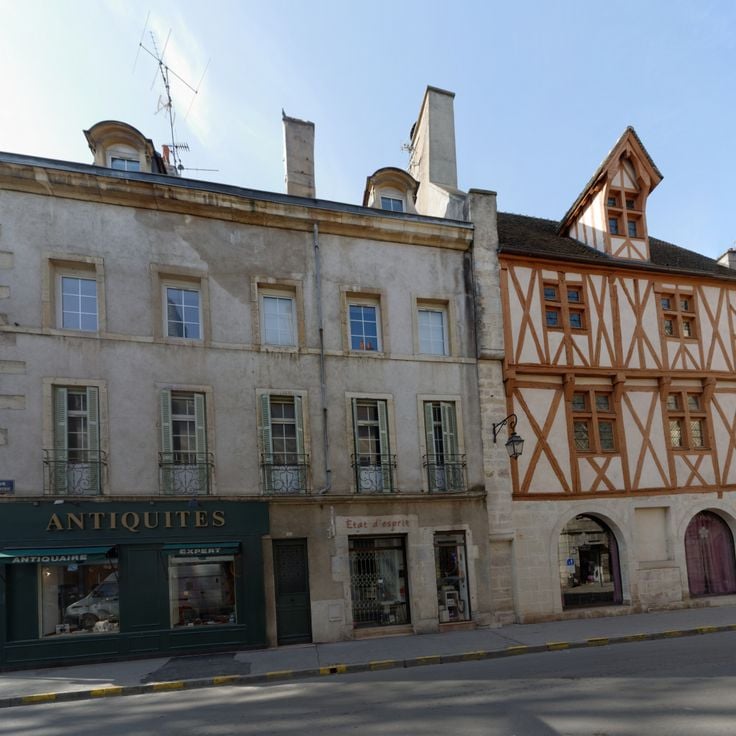
Rue Verrerie is a medieval street in Dijon that offers excellent opportunities for photographing historic architecture. The street is lined with timber-framed houses dating from the 15th century, their crooked walls and details reflecting how a medieval city once appeared. Small shops and craft businesses operate along the street today, bringing daily activity to the historic setting. For photographers interested in capturing old buildings and traditional craftsmanship, this location provides many angles and architectural details to explore.
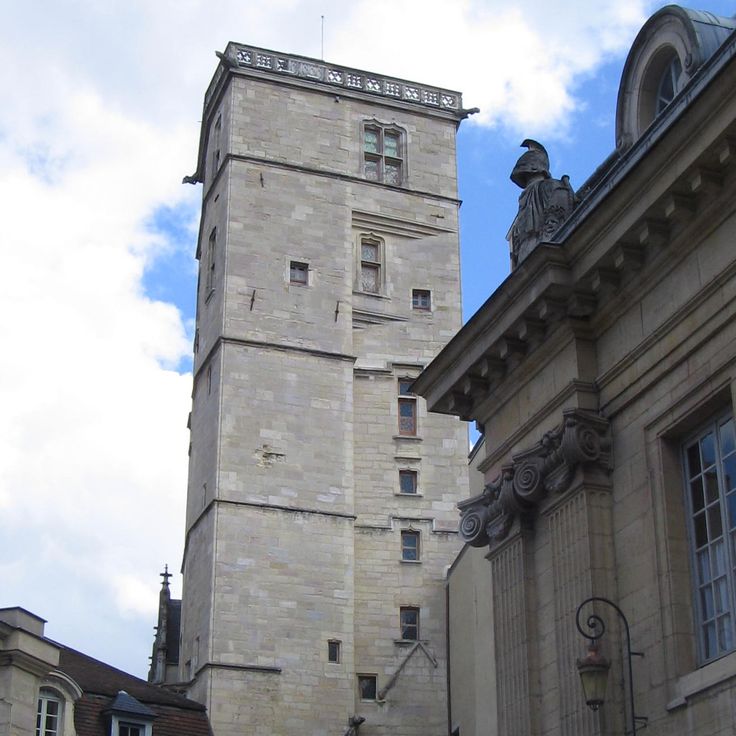
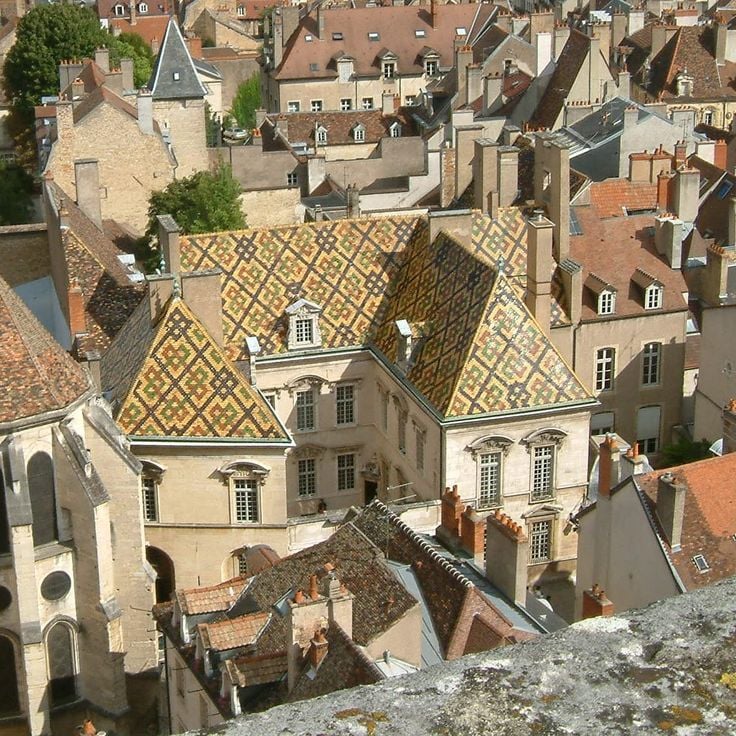
The Tower Philippe le Bon is a stone tower built in 1450 in Dijon and offers photographers an excellent vantage point for capturing the city from above. Rising 46 meters high with 316 steps leading to an observation platform, it provides views across the historic city center where medieval buildings, public squares, and gardens define the urban landscape.
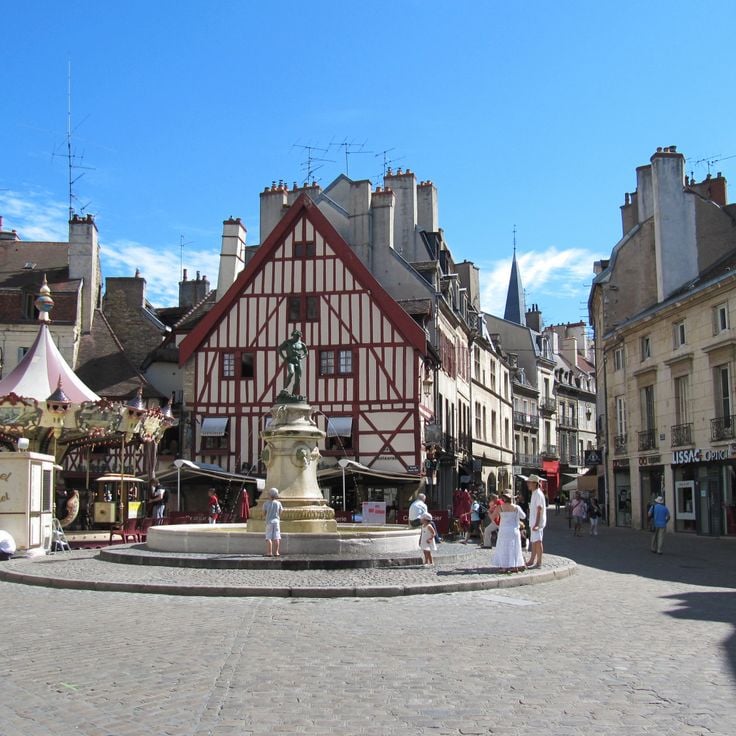
The Place Francois Rude is a central square in Dijon that serves as an excellent photography location for capturing the city's character. At the heart of the square stands a fountain featuring a figure of a grape harvester, a reference to the region's wine tradition. The surrounding buildings reflect Renaissance architecture with their detailed facades. A traditional carousel adds to the charm of this location, making it a spot where you can photograph both historic structures and the everyday life of the city.
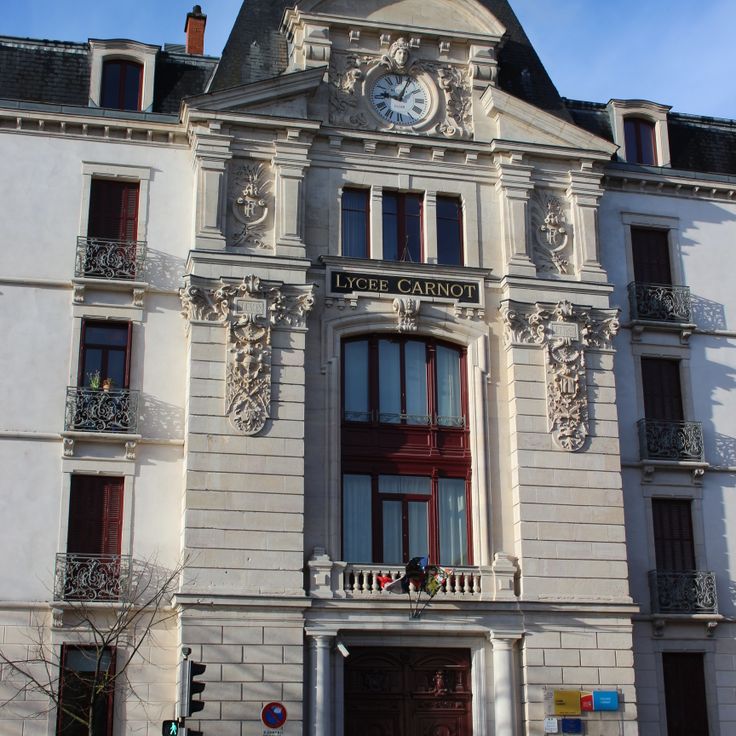
Lycée Carnot is a 19th century school in Dijon and a location for photography in the city. The building features stone walls, large windows and decorated entrances that are typical of French academic architecture. Along with other places such as the Gothic Notre-Dame church and the Palais des Ducs, Dijon offers many spots for photography.
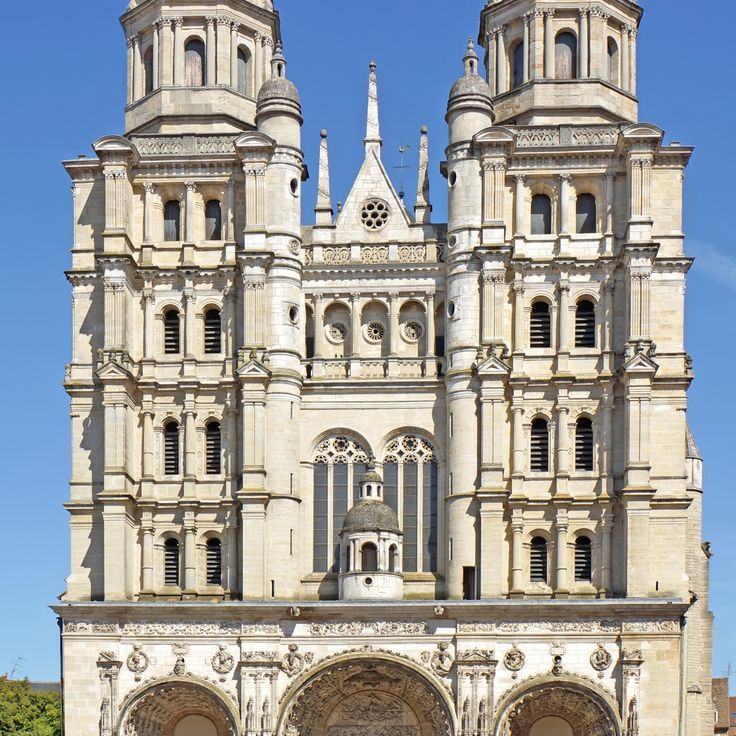
Saint-Michel Church is a Gothic religious building from the 16th century and stands as one of the notable photography locations in Dijon. The structure combines Gothic architecture with Renaissance elements, featuring decorative gargoyles and an ornate stone entrance portal. This church offers compelling subjects for photographers interested in medieval construction and architectural detail.
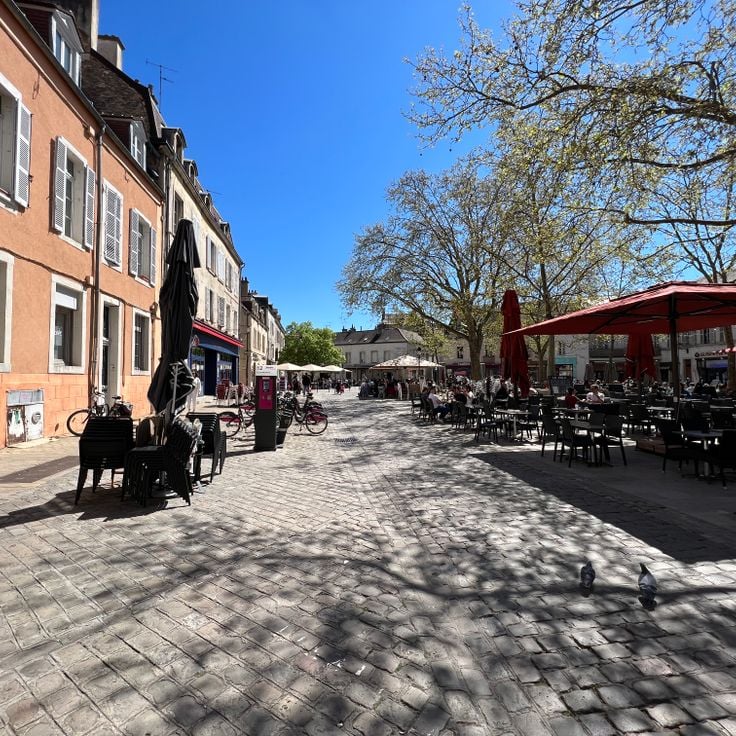
Émile Zola Square is a central location in Dijon for photography, featuring timber-framed buildings from the 15th century and traditional French architecture. This square fits well within the collection of photography locations in Dijon, which spans from Gothic Notre-Dame to Renaissance palaces. Outdoor restaurant seating and historic buildings create appealing compositions for photographers exploring the city center.
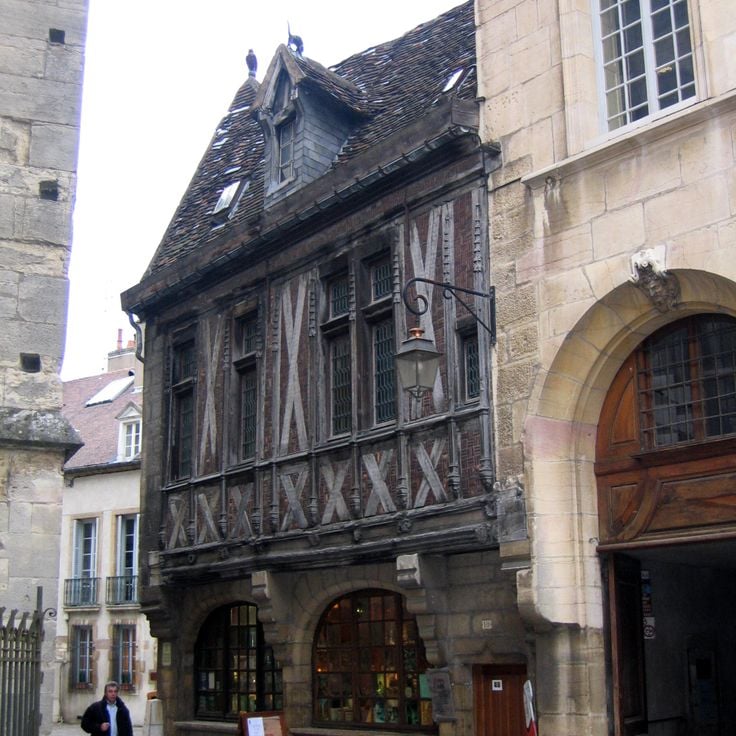
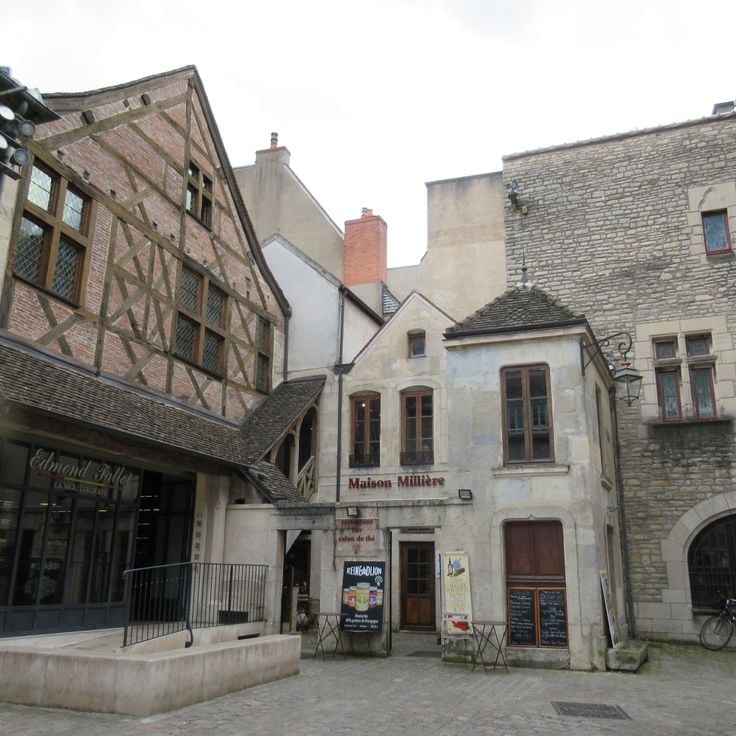
The Millière House is a photography location in Dijon that draws photographers interested in documenting the medieval character of the old city. This timber house built in 1483 displays typical Renaissance features with exposed wooden beams and period details. Today it operates as a restaurant where visitors can eat traditional burgundy cuisine in an authentic setting. Its facade and interior with period furnishings make it an important record of Dijon's building history.
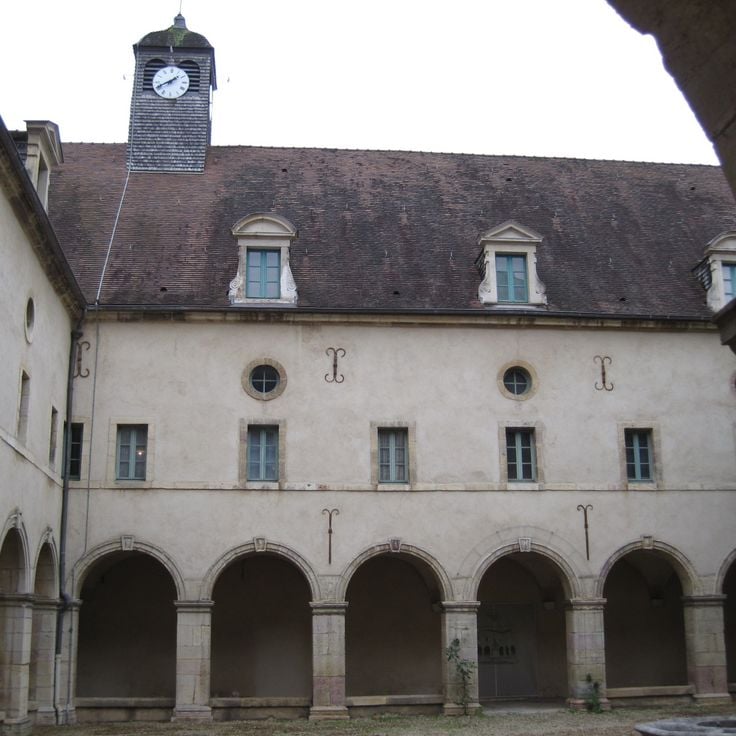
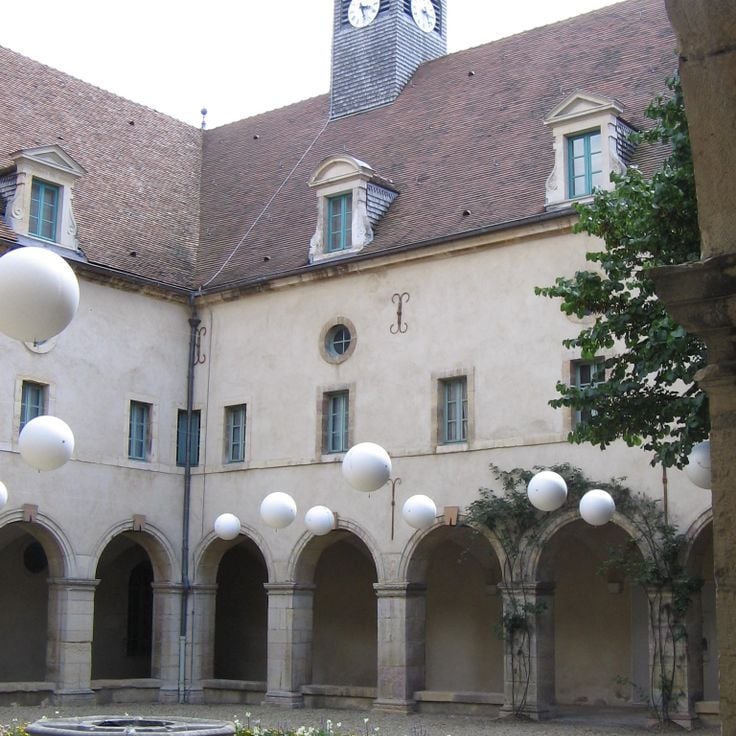
The Former Bernardines Monastery in Dijon is a 17th century religious complex that offers excellent photography opportunities in the city. Stone facades and large windows reveal the architecture of the period. The buildings now serve as the regional school of fine arts, providing photographers with interesting details and natural light.
Darcy Garden is a public space in Dijon that photographers discover while exploring the city's many sites. Built in 1880 atop a water reservoir, it features stone balustrades, walking paths, and a historical bear enclosure. As part of Dijon's photography locations, this garden provides interesting compositions where nature and structure meet.
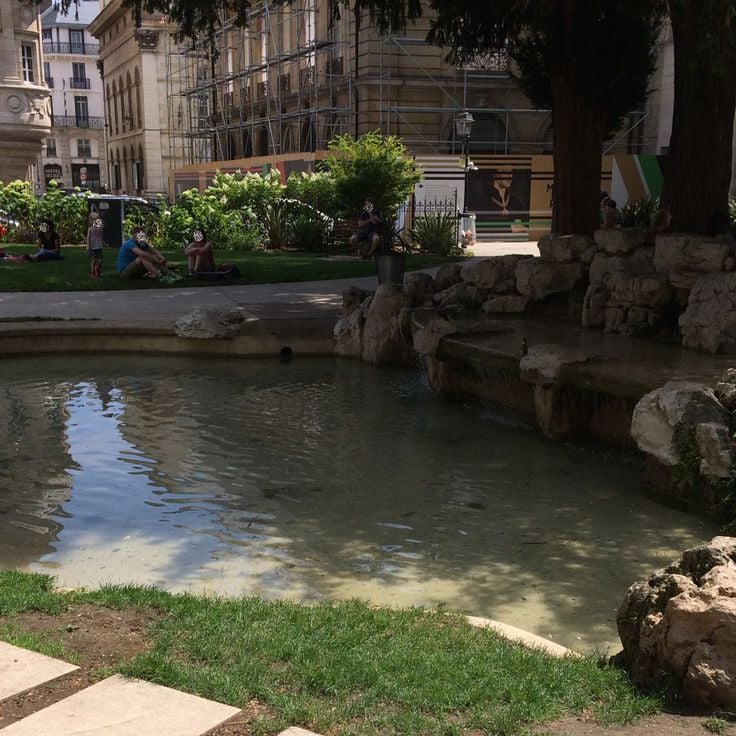
Dukes Square in Dijon is an important location for photographers exploring the city. This garden next to the Palace of the Ducs offers views of historic architecture and natural details. The square has benches, fountains and seasonal flowers. Trees provide shade in summer and create interesting lighting conditions for photography.
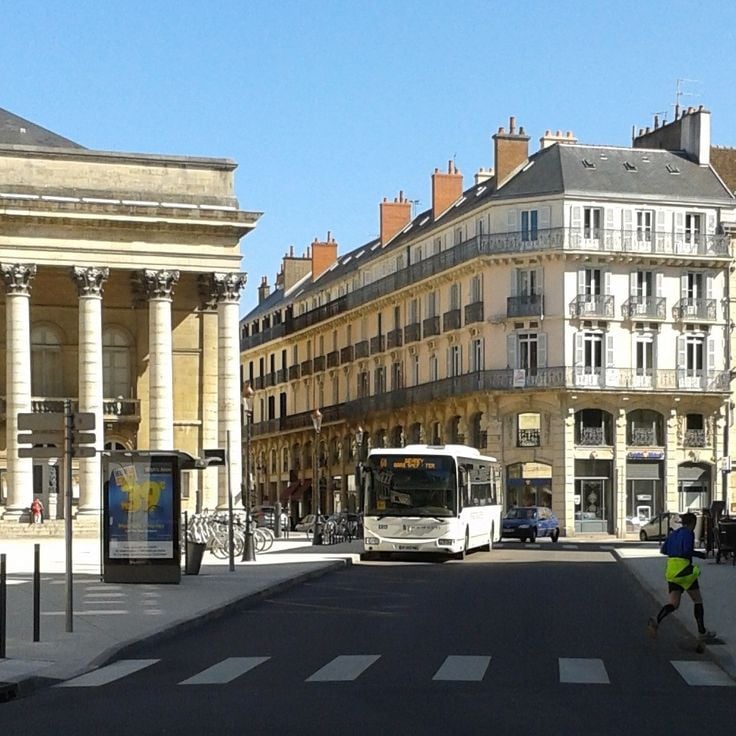
Place du Théâtre is a central square in Dijon that offers excellent opportunities for photography as part of the city's varied locations. The square features benches and trees that create a green setting. The opera building beside the square displays a classical stone facade and large columns that make compelling subjects for photographs. This place connects Dijon's historical architecture with an active public space.
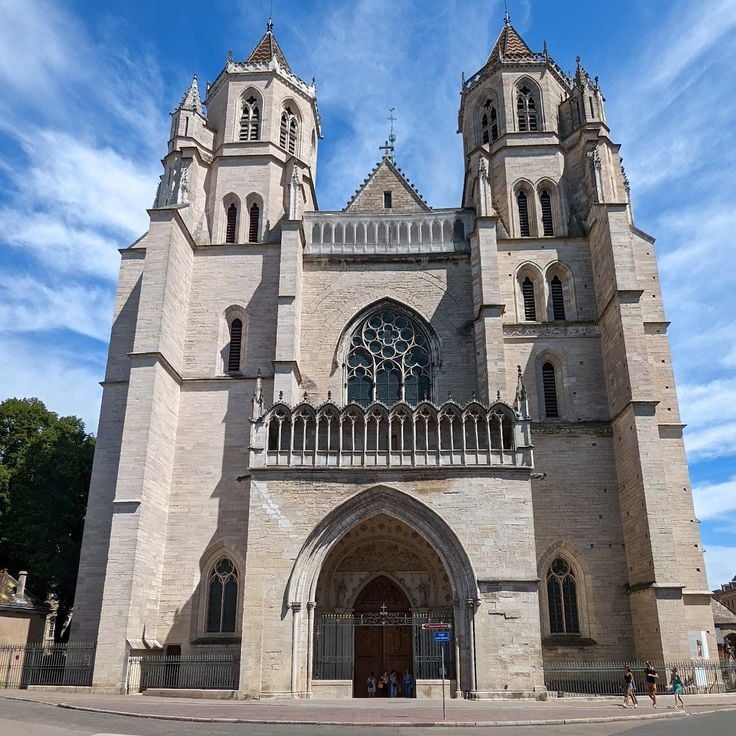
The Cathédrale Saint-Bénigne de Dijon is a Gothic cathedral from the 13th century and offers excellent opportunities for photography across Dijon's religious landmarks. This building displays pointed arches, ribbed vaults, and large stained glass windows that cast colored light across the interior spaces. Two tall bell towers dominate the structure and the surrounding cityscape. The exterior shows detailed Gothic workmanship and proportions that reward close observation from multiple angles.
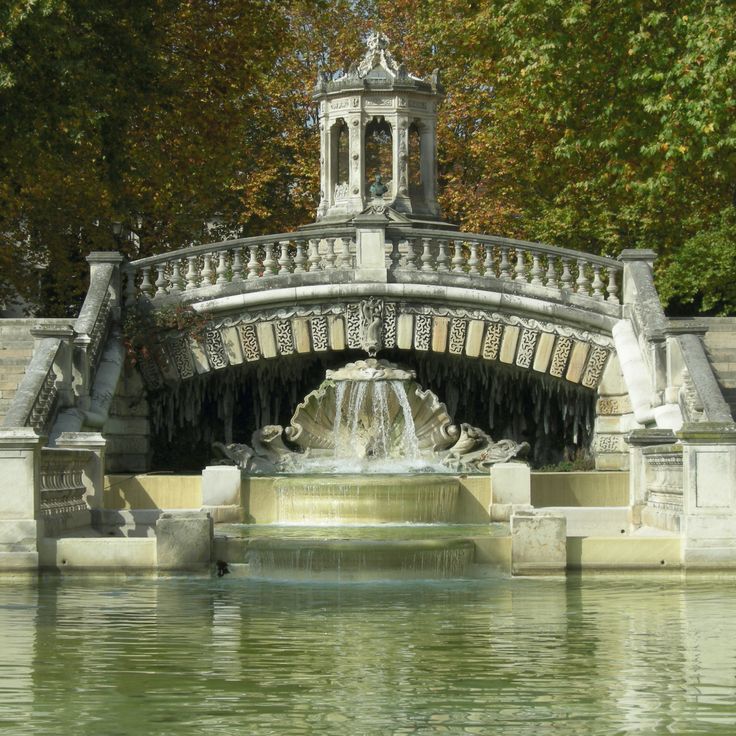
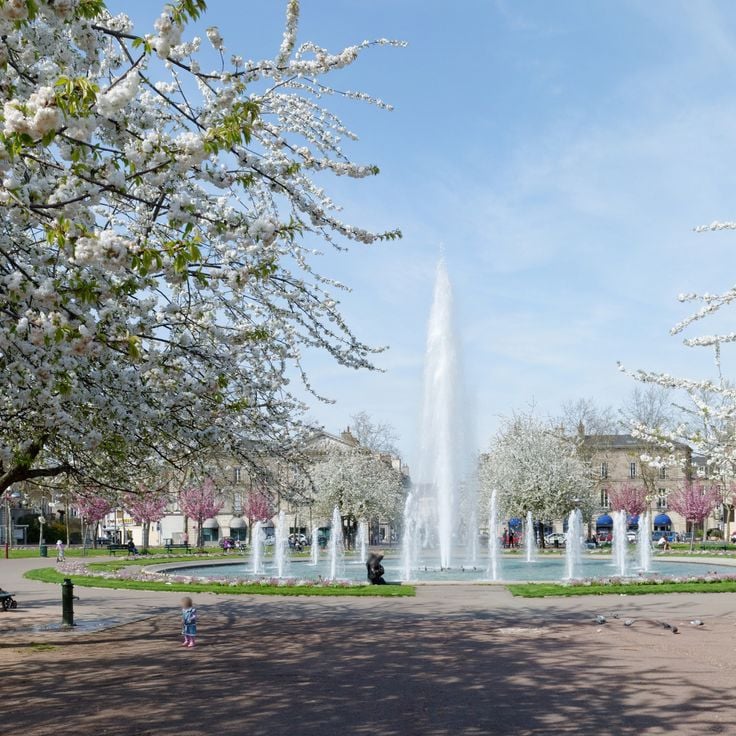
Place Darcy is a square in Dijon that offers photographers a good combination of architectural elements and green spaces. The centerpiece of the square is a stone archway, which together with a fountain and benches creates a calm setting. An adjoining formal garden with maintained paths, lawns and seasonal flowers provides varied subjects for photography at different times of the year.
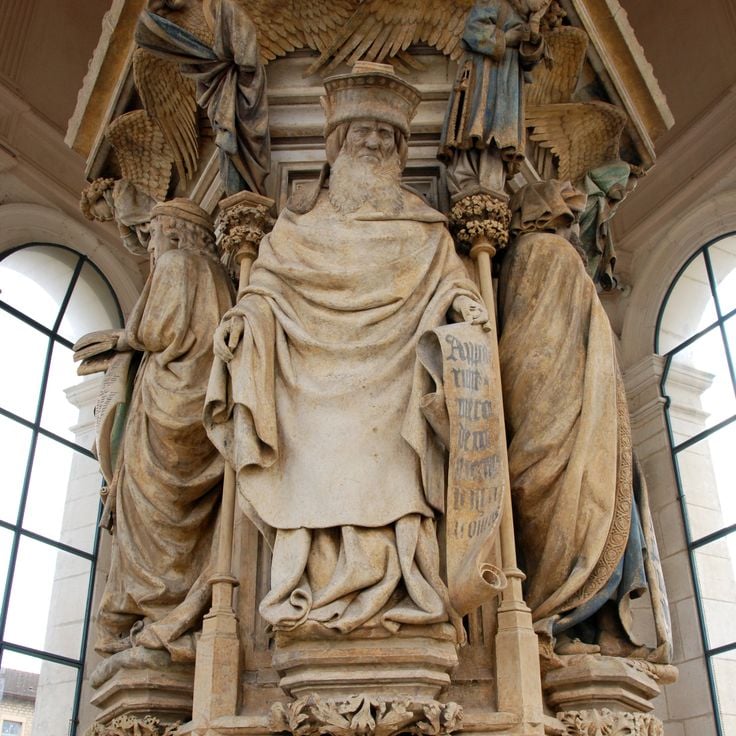
The Puits de Moïse is a Gothic fountain with a hexagonal stone base. It features carved figures of prophets and columns decorated with biblical scenes in relief. Within Dijon's photography locations, this fountain offers rich visual detail. Its intricate stonework and historical reliefs make it a compelling subject among the medieval buildings and public squares of the city center.
The Musée de la Vie Bourguignonne displays traditional costumes, furniture, and objects from 18th and 19th century Burgundian homes and craft workshops. This museum shows how people lived and worked during that period, offering a view of domestic life and local craftsmanship in the region. Visitors can see items arranged to reflect everyday household spaces and working environments.
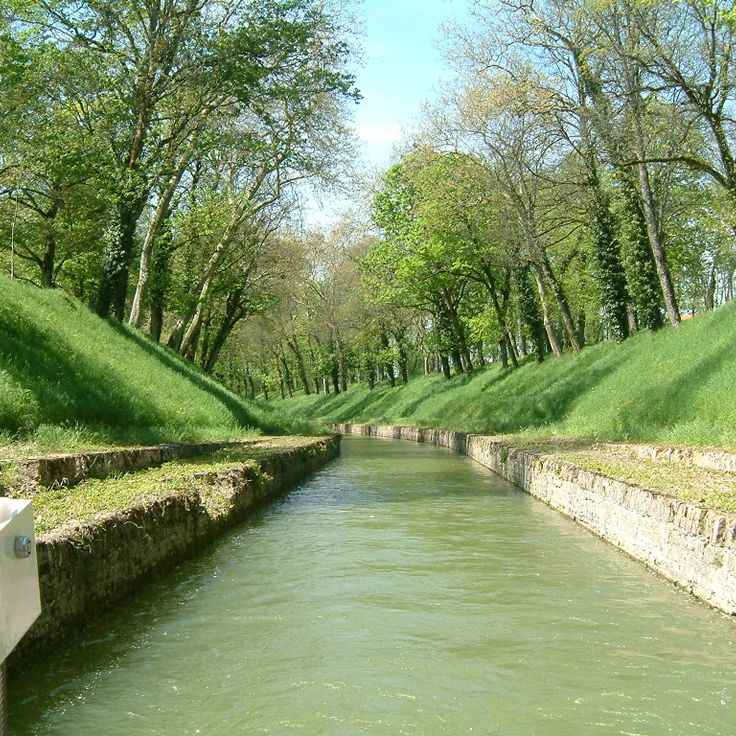
The Canal de Bourgogne is a navigation waterway in Dijon that connects the Yonne to the Saône river. Built between 1775 and 1832, it provides many opportunities for photography. The paths along its banks reveal the daily rhythm of water life, with bridges, locks, and surrounding landscapes. For photographers visiting Dijon, this location captures both the region's industrial heritage and the natural environment in one place.
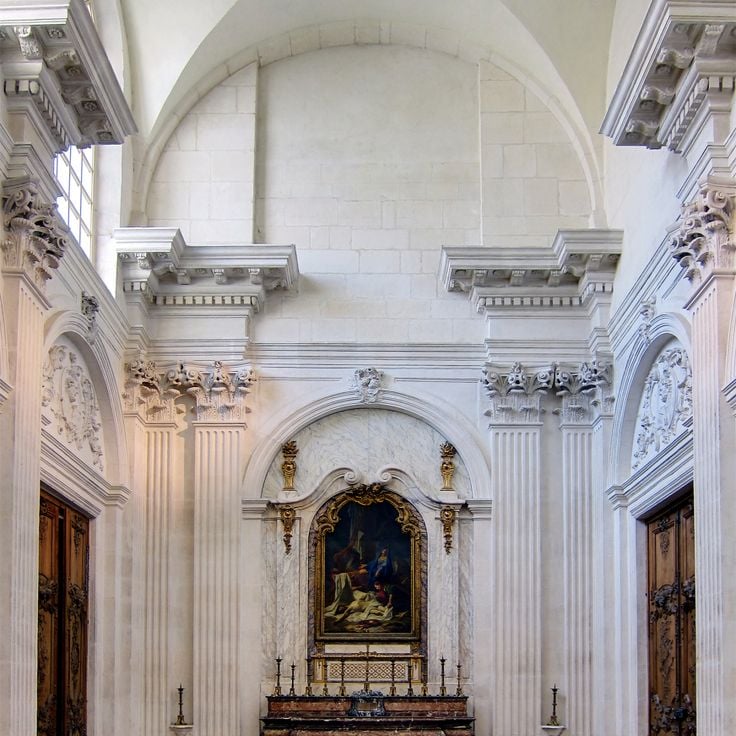
The Chapelle des Élus is a religious building from 1739 located inside the Palace of the Dukes of Burgundy in Dijon. For photographers, this chapel offers interesting details to capture: a painted cupola, gilded ornaments, and marble columns. As part of the palace, the chapel displays the refined interior decoration from the Renaissance period and fits well into a tour of Dijon's historic center with its medieval buildings, public squares, and gardens.
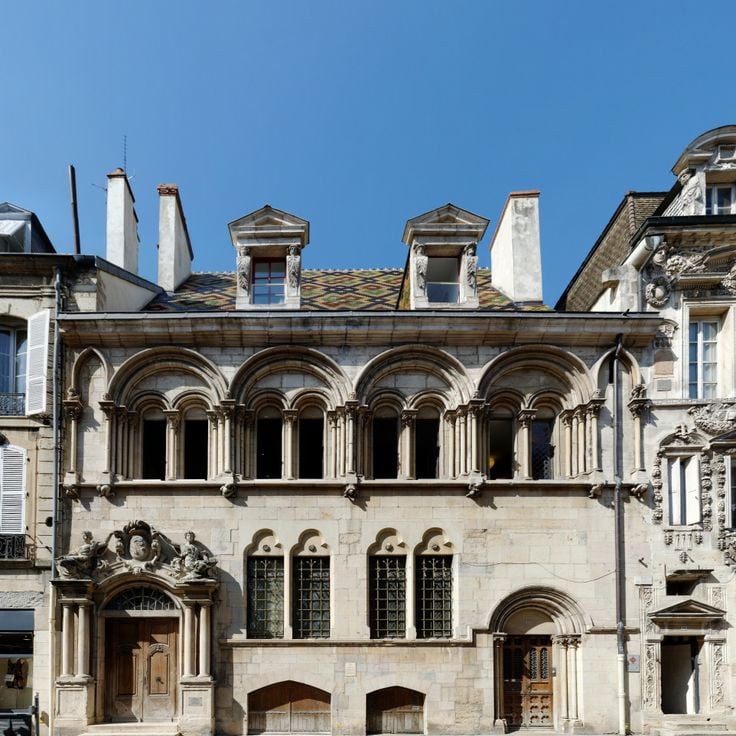
The Hôtel Aubriot is a Gothic mansion from the 14th century and offers photographic opportunities in Dijon, a city known for medieval buildings, public squares, and gardens. The building features a stone turret, carved windows, and an ornamental entrance portal on Rue des Forges. It represents the historic architecture that draws photographers to Dijon, alongside notable locations such as the Gothic Notre-Dame church and the Renaissance Palais des Ducs.
The Hôtel de Vogüé is a 17th-century mansion in Dijon that offers numerous subjects for photographers interested in Renaissance architecture. This building features ornate stone carvings, a decorative courtyard, and finely detailed architectural elements from that era. It represents one of the many photography locations the city offers, alongside medieval buildings, public squares, and landmarks like Notre-Dame church and the Palais des Ducs.
Rue de la Chouette is a medieval stone street in Dijon, known for a small owl carving on the Notre-Dame church wall. This street offers photographers authentic medieval architecture and local traditions. The owl is touched by residents who seek good fortune. As part of Dijon's center with its Gothic churches, Renaissance palaces, and historic buildings, this street is an interesting location for photographing the city.
Place Wilson is a photography location in Dijon where photographers can capture the 19th century architecture surrounding the square. The square itself offers shots of the central fountain, stone benches, seasonal flowers, and trees that create visual interest. The residential buildings from the 19th century that border the square provide an authentic backdrop for photographs of historic Dijon.
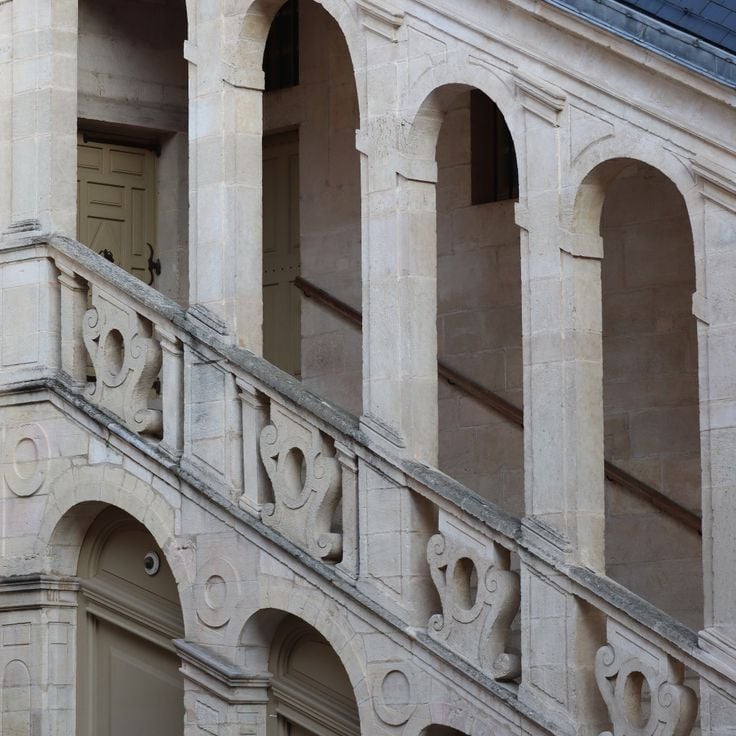
The Cour de Bar is a Gothic courtyard located within the Palace of the Dukes in Dijon. It features stone arches, medieval sculptures, and original architectural details from the 15th century. This location provides photography opportunities that capture the medieval heritage of the city and showcase the rich history of this important palace.
The Owl Trail in Dijon is a walking route marked by bronze signs embedded in the sidewalks of the city center. These markers guide you past the main historical monuments and architectural features that shape Dijon's character. The trail connects the Gothic Notre-Dame church, the Renaissance Palais des Ducs, and other significant buildings that tell the story of the city's past. This self-guided path allows you to explore the medieval streets, public squares, and gardens at your own pace.
The Palace of the Dukes of Burgundy in Dijon is a medieval residence that now serves as a museum and offers excellent opportunities for photography. Gothic architecture defines the building's exterior, while inside you find art collections that reflect the region's heritage. The 46-meter tower provides views across the city and is a rewarding subject for photographers documenting Dijon's history and architectural character.
The Arquebuse Garden offers photography opportunities for capturing plant life and garden design. This botanical garden in Dijon works well for documenting seasonal changes and the many blooms along the paths. With thousands of plant species, the garden provides good subjects for close-ups and details of the plant world.
The Parc de la Colombière is a public garden in Dijon that offers compelling subjects for photography. Created in 1672, it features geometric pathways, centuries-old trees, statues, and a central avenue that extends for about 1 kilometer. This location fits naturally into Dijon's range of photography destinations, from Gothic churches to Renaissance palaces.
Notre-Dame Church of Dijon is a 13th-century church and a noteworthy photography location in the city. The building stands out for its 51 stone gargoyles on the facade, decorated with fine sculptural details. A distinctive feature is a mechanical owl statue that visitors touch as they pass. This church sits among other historic structures such as the Palais des Ducs and offers photographers multiple subjects to capture in the city center.
Rue des Forges in Dijon is a medieval street dating from the 15th century, lined with merchant houses. These buildings display ornate stone carvings and Gothic architectural details. The street offers numerous photo opportunities for those interested in historical architecture and medieval construction. It is one of the key photography locations in Dijon's city center, where medieval buildings, public squares, and gardens await visitors exploring the city.
The Porte Guillaume is a stone gate from the 18th century with classical architecture and a large archway that marks the western entrance to Dijon's old city center. As a photography location in Dijon, this gate provides a good vantage point for capturing the historical city boundary and the classical building details that define the old town.
The Place de la Libération is a semicircular plaza built in 1686 in Dijon and serves as an excellent location for photography in the city center. Stone buildings and fountains frame this space, which faces the Palais des Ducs et des États de Bourgogne directly. The plaza's classical architecture and open layout make it ideal for capturing both the historic buildings and the changing light throughout the day, offering photographers views of how people move through this civic heart of Dijon.
The Musée des Beaux-Arts de Dijon is housed in the Palace of the Dukes and displays paintings, sculptures, and decorative arts from the Middle Ages to the 20th century. This museum is an important location for photographers looking to document the artistic history of the city. The collections and the historic architecture of the palace offer numerous subjects for photography.
Rue Verrerie is a medieval street in Dijon that offers excellent opportunities for photographing historic architecture. The street is lined with timber-framed houses dating from the 15th century, their crooked walls and details reflecting how a medieval city once appeared. Small shops and craft businesses operate along the street today, bringing daily activity to the historic setting. For photographers interested in capturing old buildings and traditional craftsmanship, this location provides many angles and architectural details to explore.
The Tower Philippe le Bon is a stone tower built in 1450 in Dijon and offers photographers an excellent vantage point for capturing the city from above. Rising 46 meters high with 316 steps leading to an observation platform, it provides views across the historic city center where medieval buildings, public squares, and gardens define the urban landscape.
The Place Francois Rude is a central square in Dijon that serves as an excellent photography location for capturing the city's character. At the heart of the square stands a fountain featuring a figure of a grape harvester, a reference to the region's wine tradition. The surrounding buildings reflect Renaissance architecture with their detailed facades. A traditional carousel adds to the charm of this location, making it a spot where you can photograph both historic structures and the everyday life of the city.
Lycée Carnot is a 19th century school in Dijon and a location for photography in the city. The building features stone walls, large windows and decorated entrances that are typical of French academic architecture. Along with other places such as the Gothic Notre-Dame church and the Palais des Ducs, Dijon offers many spots for photography.
Saint-Michel Church is a Gothic religious building from the 16th century and stands as one of the notable photography locations in Dijon. The structure combines Gothic architecture with Renaissance elements, featuring decorative gargoyles and an ornate stone entrance portal. This church offers compelling subjects for photographers interested in medieval construction and architectural detail.
Émile Zola Square is a central location in Dijon for photography, featuring timber-framed buildings from the 15th century and traditional French architecture. This square fits well within the collection of photography locations in Dijon, which spans from Gothic Notre-Dame to Renaissance palaces. Outdoor restaurant seating and historic buildings create appealing compositions for photographers exploring the city center.
The Millière House is a photography location in Dijon that draws photographers interested in documenting the medieval character of the old city. This timber house built in 1483 displays typical Renaissance features with exposed wooden beams and period details. Today it operates as a restaurant where visitors can eat traditional burgundy cuisine in an authentic setting. Its facade and interior with period furnishings make it an important record of Dijon's building history.
The Former Bernardines Monastery in Dijon is a 17th century religious complex that offers excellent photography opportunities in the city. Stone facades and large windows reveal the architecture of the period. The buildings now serve as the regional school of fine arts, providing photographers with interesting details and natural light.
Darcy Garden is a public space in Dijon that photographers discover while exploring the city's many sites. Built in 1880 atop a water reservoir, it features stone balustrades, walking paths, and a historical bear enclosure. As part of Dijon's photography locations, this garden provides interesting compositions where nature and structure meet.
Dukes Square in Dijon is an important location for photographers exploring the city. This garden next to the Palace of the Ducs offers views of historic architecture and natural details. The square has benches, fountains and seasonal flowers. Trees provide shade in summer and create interesting lighting conditions for photography.
Place du Théâtre is a central square in Dijon that offers excellent opportunities for photography as part of the city's varied locations. The square features benches and trees that create a green setting. The opera building beside the square displays a classical stone facade and large columns that make compelling subjects for photographs. This place connects Dijon's historical architecture with an active public space.
The Cathédrale Saint-Bénigne de Dijon is a Gothic cathedral from the 13th century and offers excellent opportunities for photography across Dijon's religious landmarks. This building displays pointed arches, ribbed vaults, and large stained glass windows that cast colored light across the interior spaces. Two tall bell towers dominate the structure and the surrounding cityscape. The exterior shows detailed Gothic workmanship and proportions that reward close observation from multiple angles.
Place Darcy is a square in Dijon that offers photographers a good combination of architectural elements and green spaces. The centerpiece of the square is a stone archway, which together with a fountain and benches creates a calm setting. An adjoining formal garden with maintained paths, lawns and seasonal flowers provides varied subjects for photography at different times of the year.
The Puits de Moïse is a Gothic fountain with a hexagonal stone base. It features carved figures of prophets and columns decorated with biblical scenes in relief. Within Dijon's photography locations, this fountain offers rich visual detail. Its intricate stonework and historical reliefs make it a compelling subject among the medieval buildings and public squares of the city center.
The Musée de la Vie Bourguignonne displays traditional costumes, furniture, and objects from 18th and 19th century Burgundian homes and craft workshops. This museum shows how people lived and worked during that period, offering a view of domestic life and local craftsmanship in the region. Visitors can see items arranged to reflect everyday household spaces and working environments.
The Canal de Bourgogne is a navigation waterway in Dijon that connects the Yonne to the Saône river. Built between 1775 and 1832, it provides many opportunities for photography. The paths along its banks reveal the daily rhythm of water life, with bridges, locks, and surrounding landscapes. For photographers visiting Dijon, this location captures both the region's industrial heritage and the natural environment in one place.
The Chapelle des Élus is a religious building from 1739 located inside the Palace of the Dukes of Burgundy in Dijon. For photographers, this chapel offers interesting details to capture: a painted cupola, gilded ornaments, and marble columns. As part of the palace, the chapel displays the refined interior decoration from the Renaissance period and fits well into a tour of Dijon's historic center with its medieval buildings, public squares, and gardens.
The Hôtel Aubriot is a Gothic mansion from the 14th century and offers photographic opportunities in Dijon, a city known for medieval buildings, public squares, and gardens. The building features a stone turret, carved windows, and an ornamental entrance portal on Rue des Forges. It represents the historic architecture that draws photographers to Dijon, alongside notable locations such as the Gothic Notre-Dame church and the Renaissance Palais des Ducs.
The Hôtel de Vogüé is a 17th-century mansion in Dijon that offers numerous subjects for photographers interested in Renaissance architecture. This building features ornate stone carvings, a decorative courtyard, and finely detailed architectural elements from that era. It represents one of the many photography locations the city offers, alongside medieval buildings, public squares, and landmarks like Notre-Dame church and the Palais des Ducs.
Rue de la Chouette is a medieval stone street in Dijon, known for a small owl carving on the Notre-Dame church wall. This street offers photographers authentic medieval architecture and local traditions. The owl is touched by residents who seek good fortune. As part of Dijon's center with its Gothic churches, Renaissance palaces, and historic buildings, this street is an interesting location for photographing the city.
Place Wilson is a photography location in Dijon where photographers can capture the 19th century architecture surrounding the square. The square itself offers shots of the central fountain, stone benches, seasonal flowers, and trees that create visual interest. The residential buildings from the 19th century that border the square provide an authentic backdrop for photographs of historic Dijon.
The Cour de Bar is a Gothic courtyard located within the Palace of the Dukes in Dijon. It features stone arches, medieval sculptures, and original architectural details from the 15th century. This location provides photography opportunities that capture the medieval heritage of the city and showcase the rich history of this important palace.
The Owl Trail in Dijon is a walking route marked by bronze signs embedded in the sidewalks of the city center. These markers guide you past the main historical monuments and architectural features that shape Dijon's character. The trail connects the Gothic Notre-Dame church, the Renaissance Palais des Ducs, and other significant buildings that tell the story of the city's past. This self-guided path allows you to explore the medieval streets, public squares, and gardens at your own pace.
The Palace of the Dukes of Burgundy in Dijon is a medieval residence that now serves as a museum and offers excellent opportunities for photography. Gothic architecture defines the building's exterior, while inside you find art collections that reflect the region's heritage. The 46-meter tower provides views across the city and is a rewarding subject for photographers documenting Dijon's history and architectural character.
The Arquebuse Garden offers photography opportunities for capturing plant life and garden design. This botanical garden in Dijon works well for documenting seasonal changes and the many blooms along the paths. With thousands of plant species, the garden provides good subjects for close-ups and details of the plant world.
The Parc de la Colombière is a public garden in Dijon that offers compelling subjects for photography. Created in 1672, it features geometric pathways, centuries-old trees, statues, and a central avenue that extends for about 1 kilometer. This location fits naturally into Dijon's range of photography destinations, from Gothic churches to Renaissance palaces.
Notre-Dame Church of Dijon is a 13th-century church and a noteworthy photography location in the city. The building stands out for its 51 stone gargoyles on the facade, decorated with fine sculptural details. A distinctive feature is a mechanical owl statue that visitors touch as they pass. This church sits among other historic structures such as the Palais des Ducs and offers photographers multiple subjects to capture in the city center.
Rue des Forges in Dijon is a medieval street dating from the 15th century, lined with merchant houses. These buildings display ornate stone carvings and Gothic architectural details. The street offers numerous photo opportunities for those interested in historical architecture and medieval construction. It is one of the key photography locations in Dijon's city center, where medieval buildings, public squares, and gardens await visitors exploring the city.
The Porte Guillaume is a stone gate from the 18th century with classical architecture and a large archway that marks the western entrance to Dijon's old city center. As a photography location in Dijon, this gate provides a good vantage point for capturing the historical city boundary and the classical building details that define the old town.
The Place de la Libération is a semicircular plaza built in 1686 in Dijon and serves as an excellent location for photography in the city center. Stone buildings and fountains frame this space, which faces the Palais des Ducs et des États de Bourgogne directly. The plaza's classical architecture and open layout make it ideal for capturing both the historic buildings and the changing light throughout the day, offering photographers views of how people move through this civic heart of Dijon.
The Musée des Beaux-Arts de Dijon is housed in the Palace of the Dukes and displays paintings, sculptures, and decorative arts from the Middle Ages to the 20th century. This museum is an important location for photographers looking to document the artistic history of the city. The collections and the historic architecture of the palace offer numerous subjects for photography.
Rue Verrerie is a medieval street in Dijon that offers excellent opportunities for photographing historic architecture. The street is lined with timber-framed houses dating from the 15th century, their crooked walls and details reflecting how a medieval city once appeared. Small shops and craft businesses operate along the street today, bringing daily activity to the historic setting. For photographers interested in capturing old buildings and traditional craftsmanship, this location provides many angles and architectural details to explore.
The Tower Philippe le Bon is a stone tower built in 1450 in Dijon and offers photographers an excellent vantage point for capturing the city from above. Rising 46 meters high with 316 steps leading to an observation platform, it provides views across the historic city center where medieval buildings, public squares, and gardens define the urban landscape.
The Place Francois Rude is a central square in Dijon that serves as an excellent photography location for capturing the city's character. At the heart of the square stands a fountain featuring a figure of a grape harvester, a reference to the region's wine tradition. The surrounding buildings reflect Renaissance architecture with their detailed facades. A traditional carousel adds to the charm of this location, making it a spot where you can photograph both historic structures and the everyday life of the city.
Lycée Carnot is a 19th century school in Dijon and a location for photography in the city. The building features stone walls, large windows and decorated entrances that are typical of French academic architecture. Along with other places such as the Gothic Notre-Dame church and the Palais des Ducs, Dijon offers many spots for photography.
Saint-Michel Church is a Gothic religious building from the 16th century and stands as one of the notable photography locations in Dijon. The structure combines Gothic architecture with Renaissance elements, featuring decorative gargoyles and an ornate stone entrance portal. This church offers compelling subjects for photographers interested in medieval construction and architectural detail.
Émile Zola Square is a central location in Dijon for photography, featuring timber-framed buildings from the 15th century and traditional French architecture. This square fits well within the collection of photography locations in Dijon, which spans from Gothic Notre-Dame to Renaissance palaces. Outdoor restaurant seating and historic buildings create appealing compositions for photographers exploring the city center.
The Millière House is a photography location in Dijon that draws photographers interested in documenting the medieval character of the old city. This timber house built in 1483 displays typical Renaissance features with exposed wooden beams and period details. Today it operates as a restaurant where visitors can eat traditional burgundy cuisine in an authentic setting. Its facade and interior with period furnishings make it an important record of Dijon's building history.
The Former Bernardines Monastery in Dijon is a 17th century religious complex that offers excellent photography opportunities in the city. Stone facades and large windows reveal the architecture of the period. The buildings now serve as the regional school of fine arts, providing photographers with interesting details and natural light.
Darcy Garden is a public space in Dijon that photographers discover while exploring the city's many sites. Built in 1880 atop a water reservoir, it features stone balustrades, walking paths, and a historical bear enclosure. As part of Dijon's photography locations, this garden provides interesting compositions where nature and structure meet.
Dukes Square in Dijon is an important location for photographers exploring the city. This garden next to the Palace of the Ducs offers views of historic architecture and natural details. The square has benches, fountains and seasonal flowers. Trees provide shade in summer and create interesting lighting conditions for photography.
Place du Théâtre is a central square in Dijon that offers excellent opportunities for photography as part of the city's varied locations. The square features benches and trees that create a green setting. The opera building beside the square displays a classical stone facade and large columns that make compelling subjects for photographs. This place connects Dijon's historical architecture with an active public space.
The Cathédrale Saint-Bénigne de Dijon is a Gothic cathedral from the 13th century and offers excellent opportunities for photography across Dijon's religious landmarks. This building displays pointed arches, ribbed vaults, and large stained glass windows that cast colored light across the interior spaces. Two tall bell towers dominate the structure and the surrounding cityscape. The exterior shows detailed Gothic workmanship and proportions that reward close observation from multiple angles.
Place Darcy is a square in Dijon that offers photographers a good combination of architectural elements and green spaces. The centerpiece of the square is a stone archway, which together with a fountain and benches creates a calm setting. An adjoining formal garden with maintained paths, lawns and seasonal flowers provides varied subjects for photography at different times of the year.
The Puits de Moïse is a Gothic fountain with a hexagonal stone base. It features carved figures of prophets and columns decorated with biblical scenes in relief. Within Dijon's photography locations, this fountain offers rich visual detail. Its intricate stonework and historical reliefs make it a compelling subject among the medieval buildings and public squares of the city center.
The Musée de la Vie Bourguignonne displays traditional costumes, furniture, and objects from 18th and 19th century Burgundian homes and craft workshops. This museum shows how people lived and worked during that period, offering a view of domestic life and local craftsmanship in the region. Visitors can see items arranged to reflect everyday household spaces and working environments.
The Canal de Bourgogne is a navigation waterway in Dijon that connects the Yonne to the Saône river. Built between 1775 and 1832, it provides many opportunities for photography. The paths along its banks reveal the daily rhythm of water life, with bridges, locks, and surrounding landscapes. For photographers visiting Dijon, this location captures both the region's industrial heritage and the natural environment in one place.
The Chapelle des Élus is a religious building from 1739 located inside the Palace of the Dukes of Burgundy in Dijon. For photographers, this chapel offers interesting details to capture: a painted cupola, gilded ornaments, and marble columns. As part of the palace, the chapel displays the refined interior decoration from the Renaissance period and fits well into a tour of Dijon's historic center with its medieval buildings, public squares, and gardens.
The Hôtel Aubriot is a Gothic mansion from the 14th century and offers photographic opportunities in Dijon, a city known for medieval buildings, public squares, and gardens. The building features a stone turret, carved windows, and an ornamental entrance portal on Rue des Forges. It represents the historic architecture that draws photographers to Dijon, alongside notable locations such as the Gothic Notre-Dame church and the Renaissance Palais des Ducs.
The Hôtel de Vogüé is a 17th-century mansion in Dijon that offers numerous subjects for photographers interested in Renaissance architecture. This building features ornate stone carvings, a decorative courtyard, and finely detailed architectural elements from that era. It represents one of the many photography locations the city offers, alongside medieval buildings, public squares, and landmarks like Notre-Dame church and the Palais des Ducs.
Rue de la Chouette is a medieval stone street in Dijon, known for a small owl carving on the Notre-Dame church wall. This street offers photographers authentic medieval architecture and local traditions. The owl is touched by residents who seek good fortune. As part of Dijon's center with its Gothic churches, Renaissance palaces, and historic buildings, this street is an interesting location for photographing the city.
Place Wilson is a photography location in Dijon where photographers can capture the 19th century architecture surrounding the square. The square itself offers shots of the central fountain, stone benches, seasonal flowers, and trees that create visual interest. The residential buildings from the 19th century that border the square provide an authentic backdrop for photographs of historic Dijon.
The Cour de Bar is a Gothic courtyard located within the Palace of the Dukes in Dijon. It features stone arches, medieval sculptures, and original architectural details from the 15th century. This location provides photography opportunities that capture the medieval heritage of the city and showcase the rich history of this important palace.