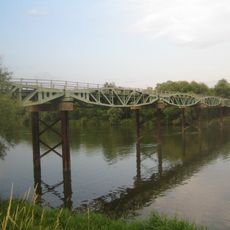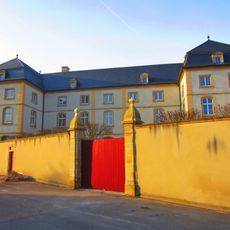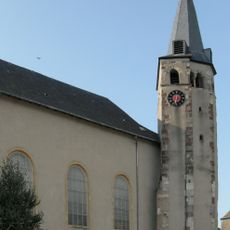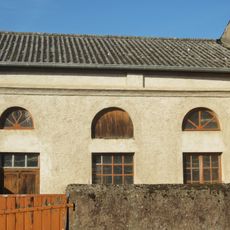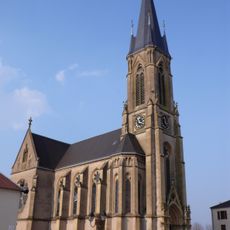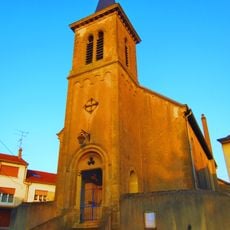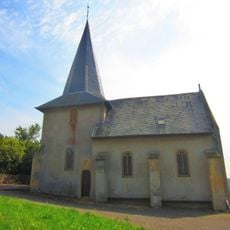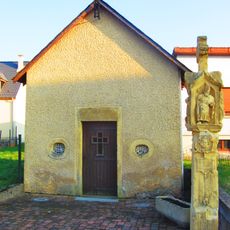
Ouvrage Métrich, Maginot Line fortification in Kœnigsmacker, France
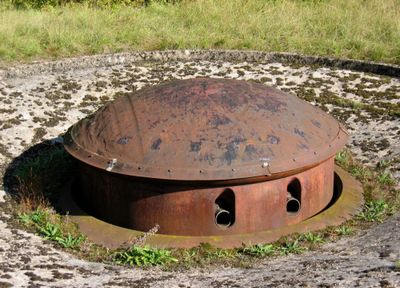
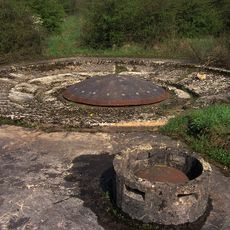
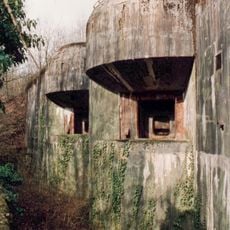
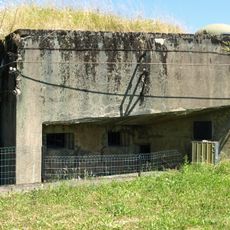
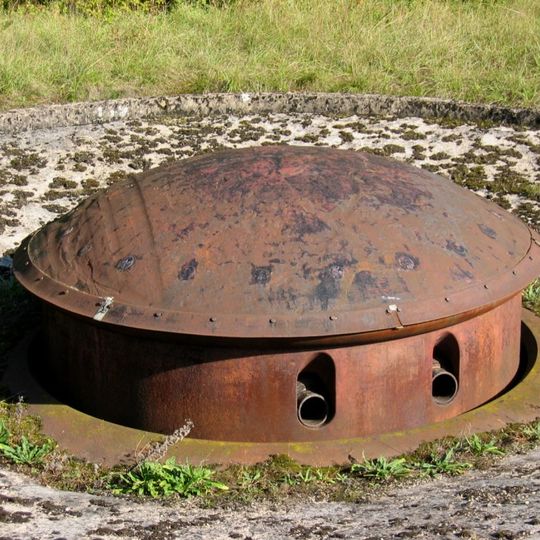
Ouvrage Métrich is a gros ouvrage of the Maginot Line at Kœnigsmacker, with two entry blocks and ten combat blocks: six artillery, two infantry and two observation. More than 1,200 metres of galleries at an average depth of 30 metres link the entries to blocks 4 and 5. Its armament counted seven 75 mm guns, two 135 mm guns and four 81 mm mortars.
Approved by CORF in November 1930 and built by Construction Générale, Ouvrage Métrich became operational by 1935 at a cost of 127 million francs. In June 1940 it fired in the Battle of France before the Thionville sector surrendered after the 22 June armistice. German occupiers turned its support areas into offices and workshops and tested explosives on some combat blocks. On 10 November 1944 the U.S. 90th Infantry Division attacked; German resistance ended on the 12th.
The ouvrage was manned by 795 men and 26 officers under Commandant Lauga. The Casernement d'Elzange provided peacetime above-ground barracks and support services to Bois-Karre and other ouvrages in the area. The underground barracks, kitchen, latrines and sick bay lay just inside the personnel entry.
The ouvrage lies in Kœnigsmacker, east of the Moselle, between the Métrich Sud and Bois-de-Kœnigsmacker casemates. Its two entries are at ground level, while the combat blocks stand on the hill above; the galleries run at least 30 m deep and stay cool, so bring a jacket and sturdy shoes.
The 60 cm narrow-gauge railway inside the galleries ran out through the ammunition entry and joined a regional military line. Several wagons left at Métrich were recovered in 1983 and moved to the Maginot museum at Ouvrage Schoenenbourg.
The community of curious travelers
AroundUs brings together thousands of curated places, local tips, and hidden gems, enriched daily by 94,117 contributors worldwide.