Pointe de Grave, Cape at northern tip of Médoc Peninsula, France
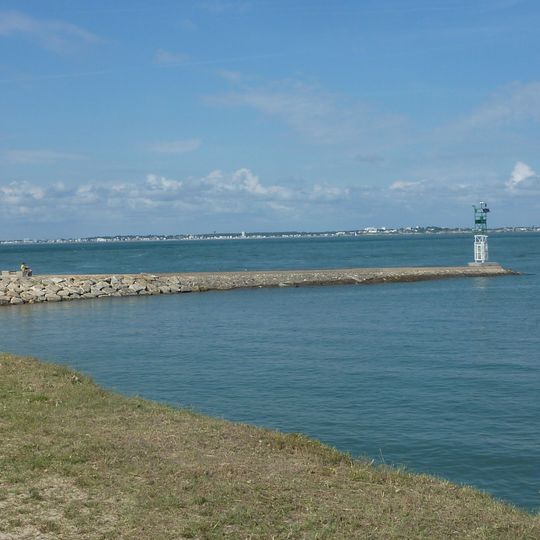
Pointe de Grave is a cape at the northern tip of the Médoc Peninsula where sandy coastline meets the Atlantic Ocean. The point sits at the mouth of the Gironde Estuary and forms a transition zone where river and sea waters merge.
A German fortress held the cape from 1940 until its surrender on 20 April 1945, guarding the Gironde estuary. In April 1945, US Eighth Air Force B-24s of the 467th Bombardment Group destroyed a German battery here. Earlier, in 1917, General John Pershing's American troops landed nearby, and a monument marking that landing was destroyed by the Germans on 30 May 1942.
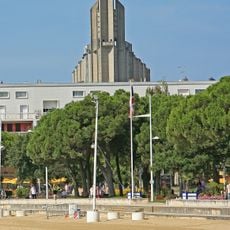
The name "Grave" comes from the gravelly point (Occitan: Punta de Grava). The historic hamlet of Pointe de Grave, the northernmost in Le Verdon-sur-Mer, includes the cité du Balisage and cité des Douanes, housing for lighthouse and customs staff. The cape lies within the Médoc regional natural park and the marine park of the Gironde estuary and Pertuis sea.
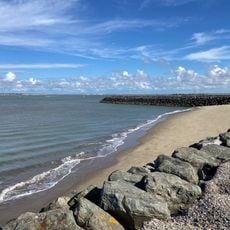
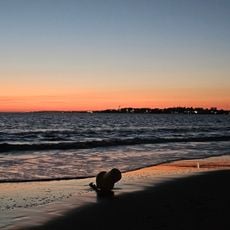
The cape has two supervised beaches: Saint-Nicolas on the Atlantic, where baïnes currents and swell make swimming sometimes dangerous, and La Chambrette on the Gironde estuary, sheltered from the currents. The site offers picnic tables and toilets. The old blockhouse gives views over the ocean, the Cordouan lighthouse, the estuary and Royan.
The offshore Cordouan Lighthouse, visible from the cape, is France's oldest lighthouse still in service; the shore lighthouse at the point houses a lighthouse museum. The cape's position at the Gironde mouth made it a German fortress in World War II, and its blockhouse now gives views over the estuary, Royan and the Atlantic.
The community of curious travelers
AroundUs brings together thousands of curated places, local tips, and hidden gems, enriched daily by 92,801 contributors worldwide.