Église Saint-Sauveur de Manosque, Romanesque and Gothic church in Manosque, France
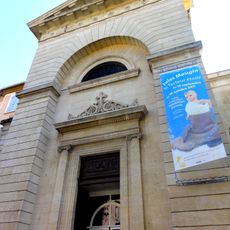
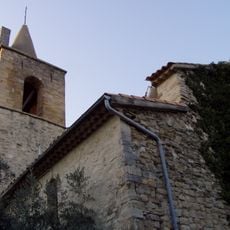
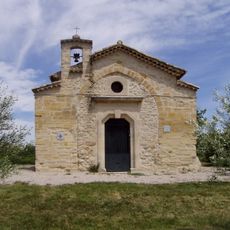
Église Saint-Sauveur is a church of Romanesque and Gothic construction, built from the late 12th to the 14th century. Its Gothic portal opens into a Romanesque nave re-vaulted with ribbed vaults in the 17th century; the Romanesque transept keeps transverse barrel vaults, and the crossing carries a dome on squinches. The apse has a ribbed cul-de-four.
Construction began in the 12th century and continued through the 14th century, blending Romanesque and Gothic styles as the work progressed. The extended building period shaped how the structure looks today.
The name reflects a dedication to the Savior, underscoring its spiritual role in Manosque's community life. Visitors can still observe the original organ from 1625 as an active part of the church's worship today.
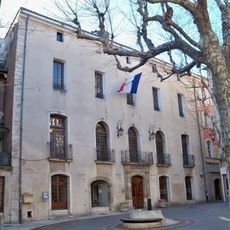
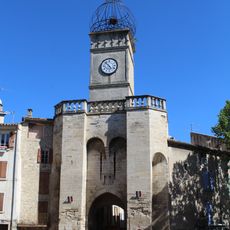
The church faces the shaded Place Saint-Sauveur, marked by a cast-iron fountain with four swans. The square is the easiest landmark for finding the building in central Manosque. The square bell tower with its iron campanile rises above the facade, visible from the square.
The iron campanile was made in 1725 by Guillaume Bounard, a blacksmith from Valensole, for the clock tower that then stood on Place Saint-Sauveur. When that tower was demolished in 1862, the campanile was moved in July 1869 onto the church bell tower, which had lost its own in the 1708 earthquake.
The community of curious travelers
AroundUs brings together thousands of curated places, local tips, and hidden gems, enriched daily by 93,109 contributors worldwide.