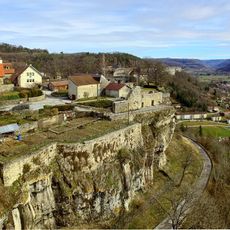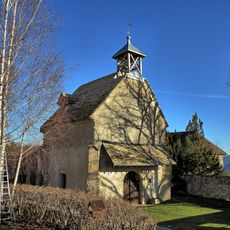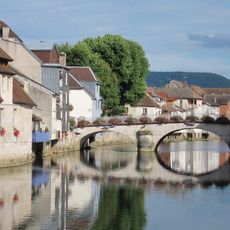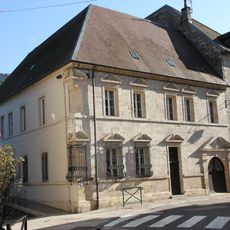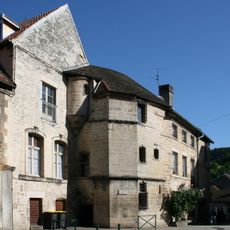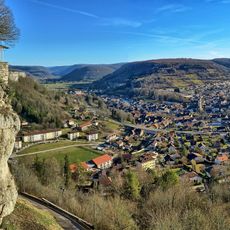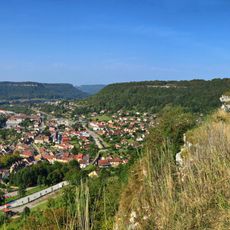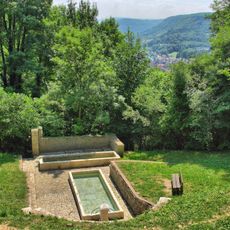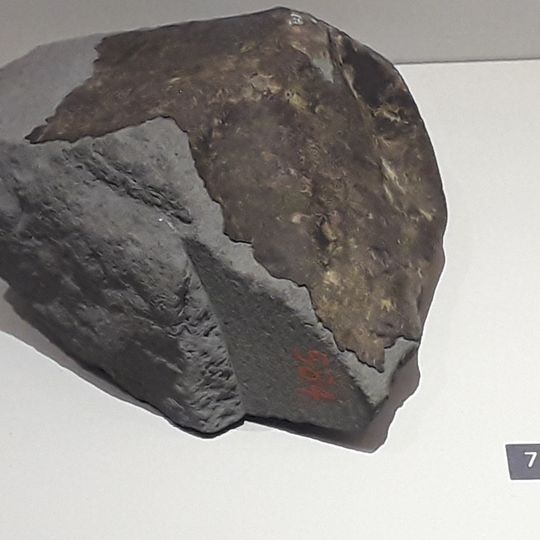
Ornans, Meteorite landing site near Ornans, France
Ornans is a location in eastern France that gave its name to a meteorite that fell in 1868, breaking apart and scattering fragments over a small area of ground. The recovered pieces are dark, dense, and belong to the carbonaceous chondrite class, one of the older types of space rock known to science.
When the meteorite fell in 1868, it was seen by people in the area, which allowed scientists to begin collecting fragments quickly and record the event in detail. The analysis of those fragments helped refine the early classification system for meteorites that geologists and astronomers still use today.
The Ornans meteorite belongs to a rare group of space rocks known as carbonaceous chondrites, which have a dark, almost black surface and a crumbly texture. Anyone who sees a fragment in a natural history museum immediately notices how different it looks from ordinary stone.
The main fragments are held in natural history collections in Paris and London, so visiting the impact site itself offers little to see on the ground. Anyone interested in handling or studying the material should plan a museum visit as a separate stop before or after exploring the Franche-Comté region.
Although the meteorite fell in 1868, its fragments contain material that is more than 4.5 billion years old, predating the formation of Earth itself. This makes it one of the oldest tangible objects ever recovered on European soil.
The community of curious travelers
AroundUs brings together thousands of curated places, local tips, and hidden gems, enriched daily by 91,141 contributors worldwide.