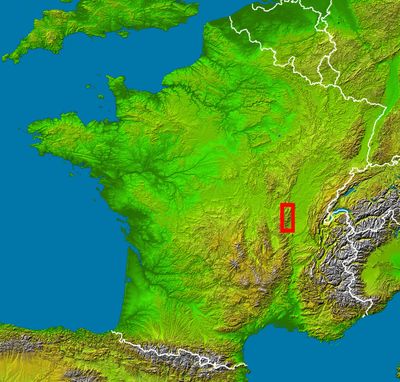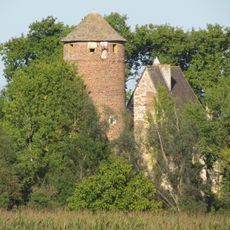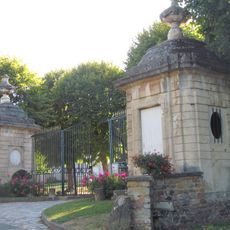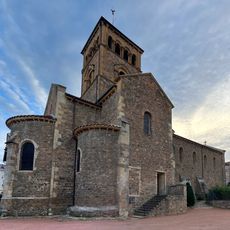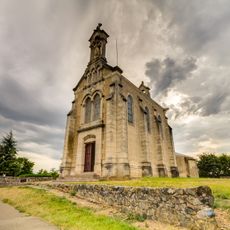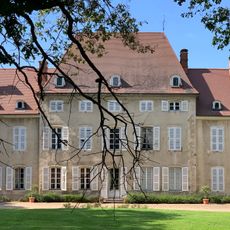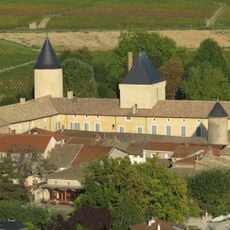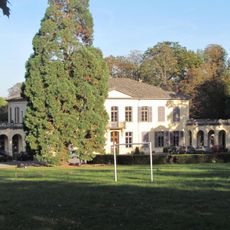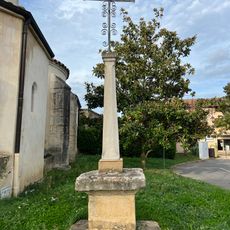
Beaujolais, Wine region in eastern France
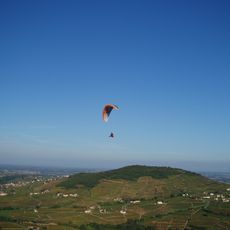
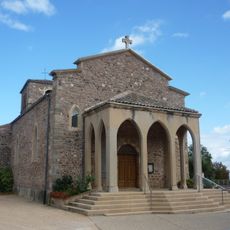
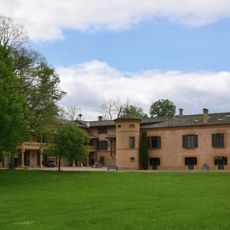
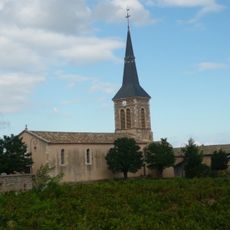
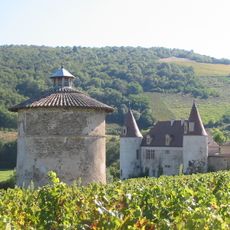
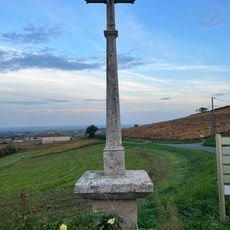
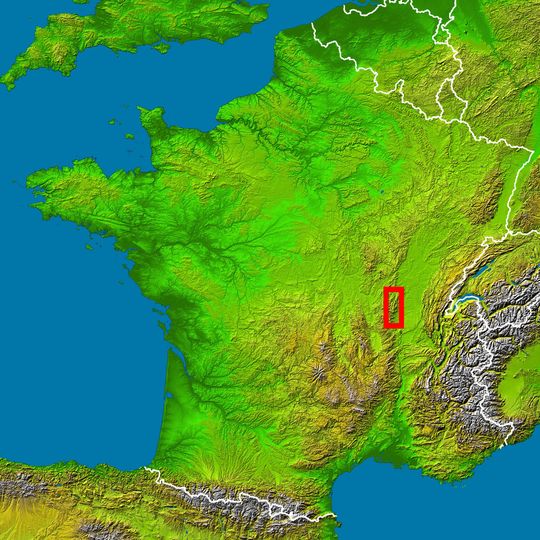
This region stretches between Lyon and the Saône River across parts of the Rhône and Saône-et-Loire departments, forming a landscape of granite-based slopes and gentle hills. Vineyards run in all directions, interrupted by small villages and patches of woodland that give the land its pattern and structure.
Romans planted the first vines along the Saône to supply wine for their trade routes. From the seventh century onward, Benedictine monks took over the care of the vineyards and shaped the methods that still guide the craft today.
Every November, winemakers and visitors celebrate the arrival of the new vintage with a young red wine released just weeks after harvest, a tradition known locally as Primeur. This custom shapes the calendar of many villages and cellars, bringing people together to raise a glass to the year's work.
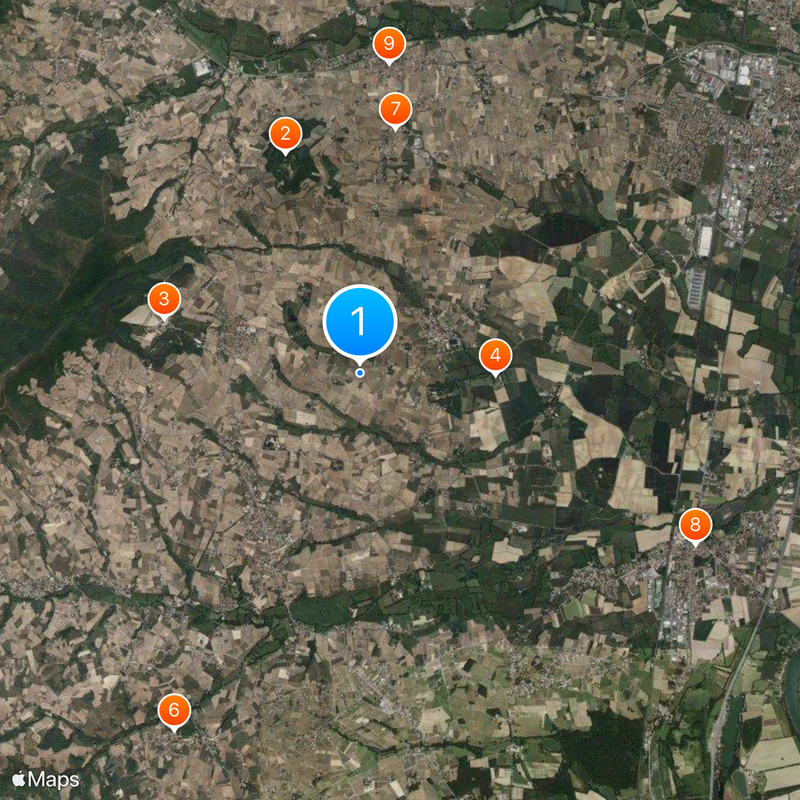
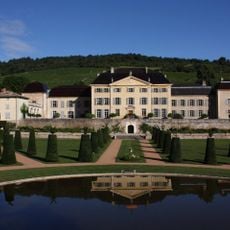
Most estates and villages sit along small country roads that wind through the hills and pass cellars where tastings take place. Some slopes can be steep, so comfortable footwear helps if you plan to walk through the vineyards themselves.
At its highest points, the land reaches over a thousand meters in elevation, which is unusual for a wine region and creates a mix of semi-continental and Mediterranean influences. This combination brings cool nights and mild days, allowing grapes to ripen slowly and retain more freshness.
The community of curious travelers
AroundUs brings together thousands of curated places, local tips, and hidden gems, enriched daily by 92,640 contributors worldwide.