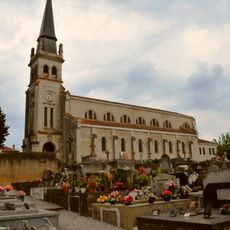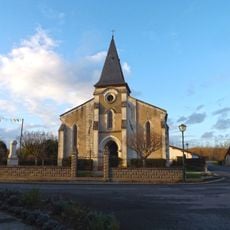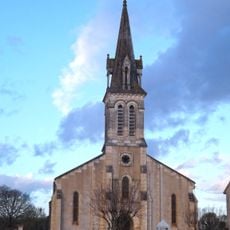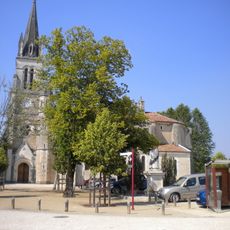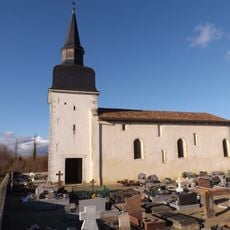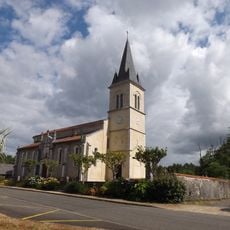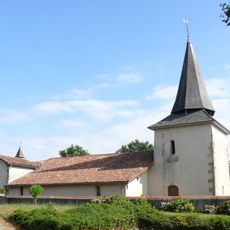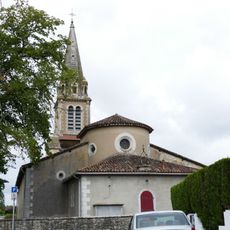
Chapelle des miracles de Buglose de Saint-Vincent-de-Paul, Religious chapel in Saint-Vincent-de-Paul, France.
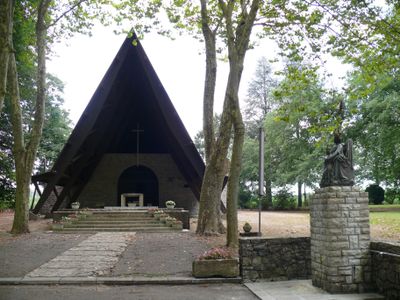
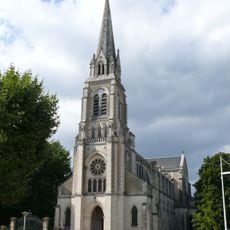
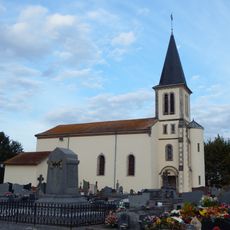
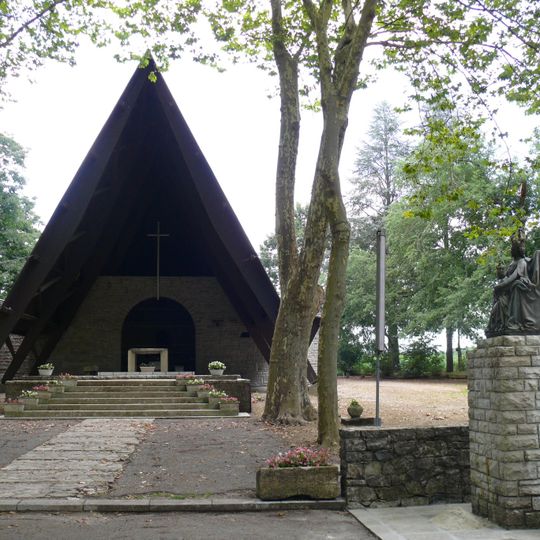
The Chapel of Miracles (Chapelle Notre-Dame de Buglose) stands at the end of a plane-tree avenue near the Buglose basilica in Saint-Vincent-de-Paul. It has a tall, steeply pitched dark roof overhanging a lighter stone facade, with a recessed arched entrance above a short flight of steps. Inside the arch are a simple altar table and a slender cross on the wall.
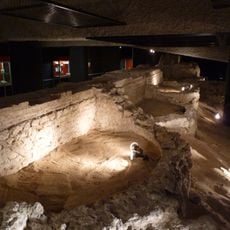
In 1570, during the Wars of Religion, troops sent by Jeanne d'Albret ravaged the region's oratories, and the stone statue of the Virgin, just over a metre tall and weighing 400 kg, was hidden in a nearby marsh. It stayed there forgotten for fifty years until 1620, when a cattle keeper found it again, sunk in the mud and reeds, after one of his beasts stopped to lick it. The ox cart carrying the statue to the church of Le Pouy then refused to move, so an altar was raised on the spot; it was set into a modern structure in 1960 for the centenary of the statue's crowning.
The chapel holds many offerings left by pilgrims who come seeking healing, making it a place where people express their devotion and gratitude.
The chapel stands at the end of a plane-tree avenue, a short walk from the Notre-Dame de Buglose basilica. The spring nearby is a place of individual and diocesan pilgrimage; unlike most devotional springs in the Landes, its water is drunk at the source rather than used for ablutions or applied with handkerchiefs.
The statue of Mary was discovered because a bull repeatedly left its herd to lick an object partially submerged in marsh water. This unusual animal behavior led to what would become a significant religious finding.
The community of curious travelers
AroundUs brings together thousands of curated places, local tips, and hidden gems, enriched daily by 93,962 contributors worldwide.