Aqueduc de la Vanne, 156-kilometer aqueduct in Paris region, France
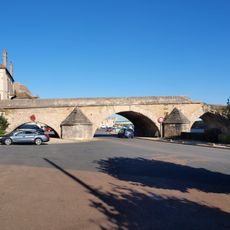
The Aqueduc de la Vanne is a water conduit stretching from Armentières in the Aube department to Paris over roughly 156 kilometers. The structure relies on a continuous slope to move water by gravity alone, without pumps, across its full length.
The structure was built between 1867 and 1874 under engineer Eugène Belgrand's direction to bring new water sources to Paris. It emerged as part of Haussmann's broader vision to modernize the capital's infrastructure.
This structure marked a turning point for how Paris received water and reflected the city's drive to modernize. It symbolized the engineering ambitions of the era and France's commitment to serving one of Europe's largest capitals.
The system can transport up to 145,000 cubic meters of water daily, serving thousands of households and public facilities throughout the region. Visitors can explore sections of the route on foot or observe the engineering design from various points along its course.
Water takes roughly three days to travel from the source to reach Paris, moving across the entire distance by gravity alone. Upon arrival, it flows through treatment facilities before being stored in underground reservoirs like Montsouris before distribution to homes.
The community of curious travelers
AroundUs brings together thousands of curated places, local tips, and hidden gems, enriched daily by 90,868 contributors worldwide.