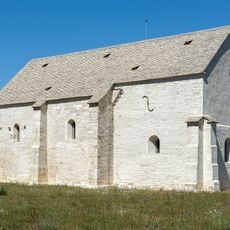
Léproserie de Meursault, Medieval hospital in Meursault, France
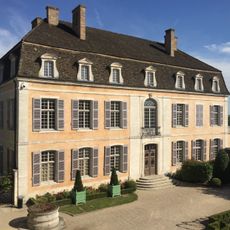
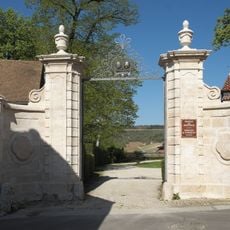
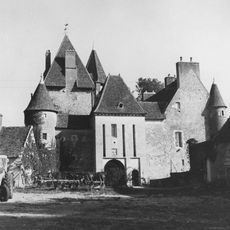
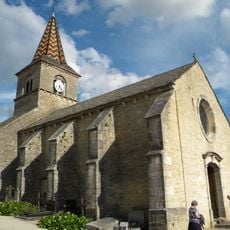
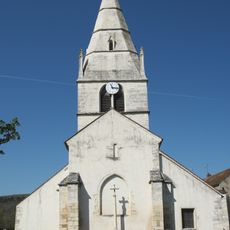
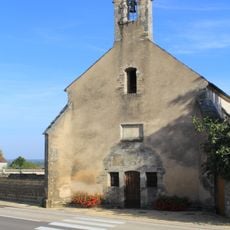
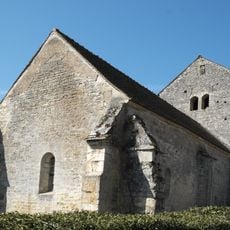
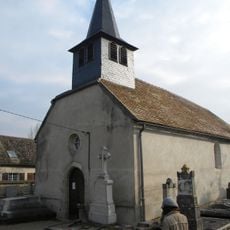
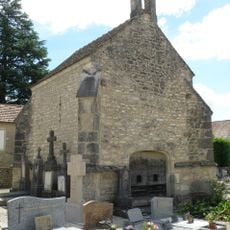
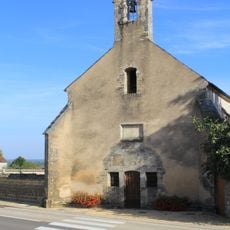
The Léproserie de Meursault is a 12th-century Romanesque complex founded in 1142, with a gatehouse, a chapel, and a large hall for the sick. The chapel has a nave and choir under a roof of Burgundy limestone slabs. The long stone building has a steep tiled roof, a gabled facade with a recessed arched portal and a tall arched window above, and slender buttresses.
Hugues II, Duke of Burgundy, founded the leprosery in 1142, when leprosy epidemics were widespread and the duchy counted about a hundred such houses. In 1358 Bishop Guillaume II de Thurey gave it to the Abbey of Sainte-Marguerite de Bouilland, 25 km north, which was to carry out repairs and care for the patients. A royal ordinance of Louis XV attached it to the Hospices de Beaune in 1760, and in the 19th century the buildings became a farm.
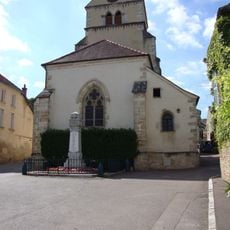
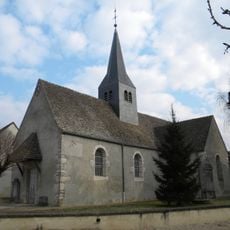
The chapel, with its nave and choir, and the great hall for the poor were restored between 2012 and 2014 in a programme of archaeological excavation and restoration costing about 3 million euros. Both are covered by a roof of Burgundy limestone slabs, and the restored monument now serves as the town's main reception hall.
The chapel and the great hall of the poor, with their Burgundy limestone roof, were restored between 2012 and 2014 for about €3 million and now serve as the municipality's reception hall. The gatehouse and chapel have been listed as monuments historiques since 26 May 1926, the other buildings, the north enclosure wall and the old enclosure ground since 11 February 2003. The site lies in Meursault, in the Côte-d'Or, about 10 km south of Beaune.
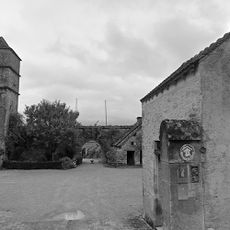
Lepers could leave only in a special costume, warning passers-by from afar with a clapper, bell or rattle to avoid spreading their contagious disease. The 12th-century complex was organised into three parts: gatehouse, chapel and great hall of the sick.
The community of curious travelers
AroundUs brings together thousands of curated places, local tips, and hidden gems, enriched daily by 94,123 contributors worldwide.