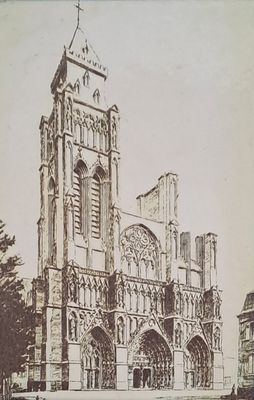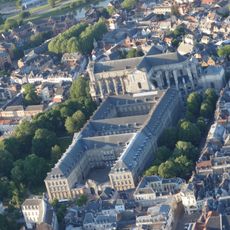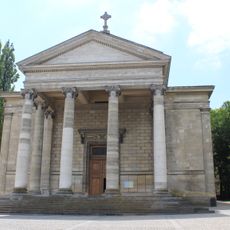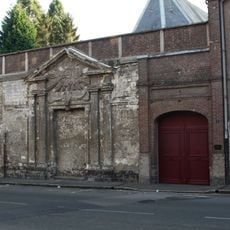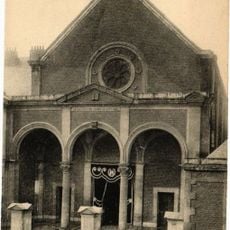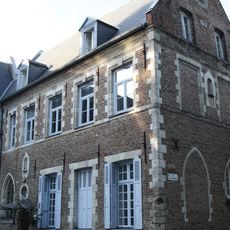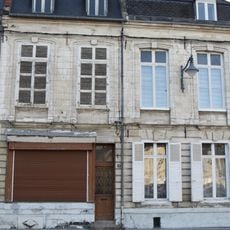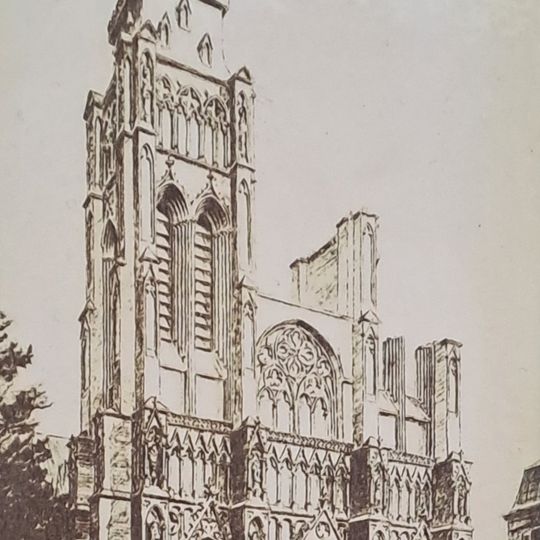
Cathédrale Notre-Dame-en-Cité d'Arras, Gothic cathedral in Arras, France
The Cathedral Notre-Dame-en-Cité was a Gothic structure with a Latin cross floor plan that combined architectural elements from different periods. The building featured a choir and transept in early Gothic style, blending influences from multiple eras into its design.
Construction of the cathedral started in 1160 during the height of Arras's textile wealth, though the work faced several delays. Final completion and consecration took place in 1484, making the entire project span more than three centuries.
The lost cathedral held deep meaning for the city as a place where generations gathered for prayer and important ceremonies. Its crypt, with the Aurora Chapel, drew visitors seeking spiritual comfort and healing.
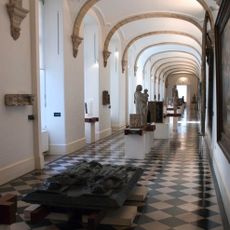
The cathedral no longer stands, but visitors interested in its history can explore architectural remains and detailed historical documentation at the Arras Museum of Fine Arts. The museum's exhibits provide context and information about the lost structure and its place in the city's past.
A member of the French royal family, Louis de Bourbon, the legitimized son of King Louis XIV, was buried in the cathedral's choir after his death in nearby Kortrijk. This fact reveals how significant the structure was to the kingdom's religious and political elite.
The community of curious travelers
AroundUs brings together thousands of curated places, local tips, and hidden gems, enriched daily by 60,000 contributors worldwide.