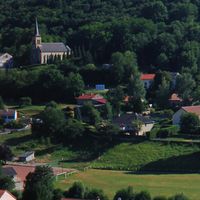
Lorraine, Historical region in northeastern France
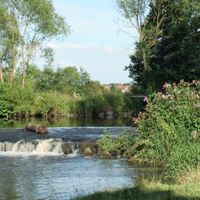
Lorraine is a historical region in northeastern France spread across four departments: Vosges, Meuse, Meurthe-et-Moselle, and Moselle. The landscape features mountains in the east and plateaus in the west, with river valleys running throughout the territory.
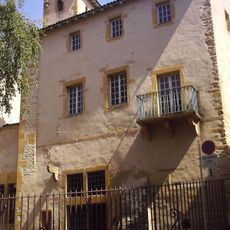
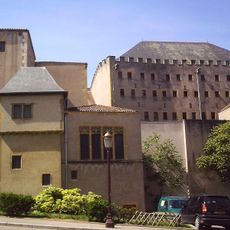
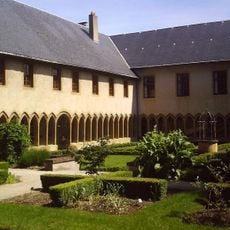
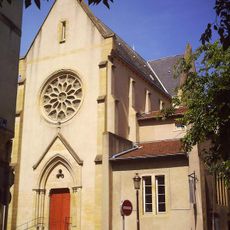
The region originated from medieval Lotharingia, established in 855, and remained an independent duchy until France annexed it in 1766. This long period as a separate state left deep cultural and architectural marks that remain visible today.
The Cross of Lorraine appears throughout the region as a recognizable symbol of local identity. The food culture here centers on quiche, mirabelle plums, and madeleines from Commercy, which you can taste in restaurants and pastry shops across the area.
The region has many World War I sites to explore, including the Douaumont Memorial, Fort Douaumont, and preserved battlefield areas near Verdun. Public transportation connects the main towns, making it easy to visit multiple locations across the departments.
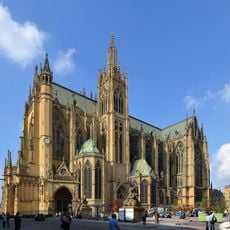
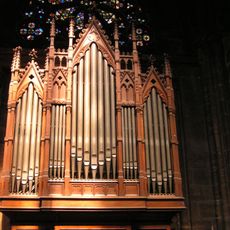
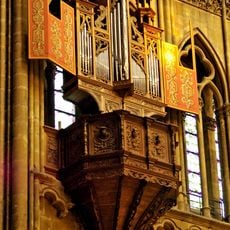
Metz Cathedral holds one of France's largest collections of stained glass windows, featuring works by artist Marc Chagall from the 20th century. These modern pieces sit alongside older windows, creating an unusual mix of different artistic periods.
The community of curious travelers
AroundUs brings together thousands of curated places, local tips, and hidden gems, enriched daily by 60,000 contributors worldwide.