Musée alsacien, Ethnographic museum in Haguenau, France
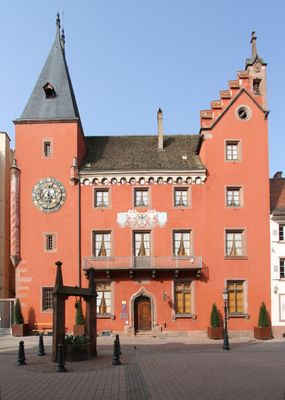
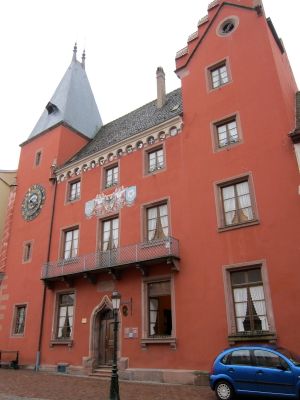
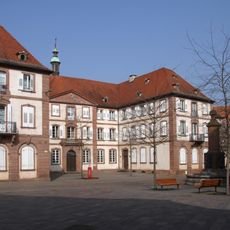
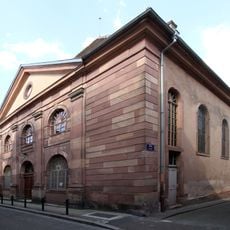
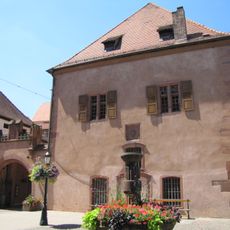
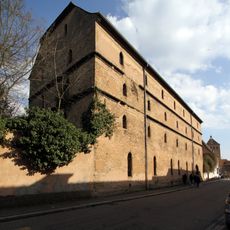
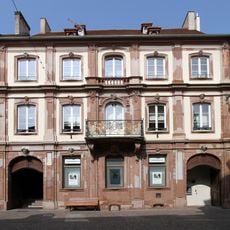
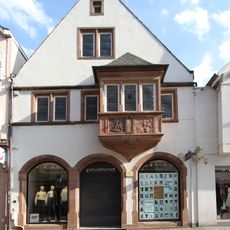
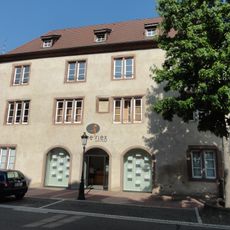
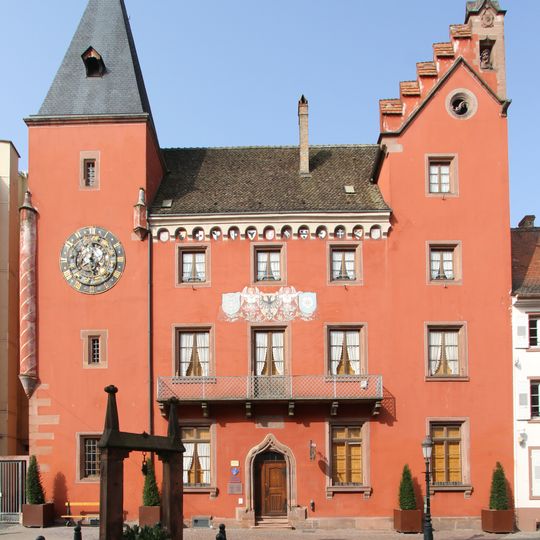
The Musée alsacien occupies the former medieval chancellery of Haguenau, a building erected around 1486 with a burgundy facade bearing the city's arms and seal, the arms of the Empire and the coats of arms of local patricians. Its collections fill two floors above a ground floor used mainly for reception, and include a reconstructed peasant interior with kitchen and alcove Stube, Alsatian costumes, glass paintings and regional ceramics.
The museum opened in 1972, when the ethnographic collection was separated from the Musée historique de Haguenau to reorganise its space. It was installed in the former chancellery, built around 1486 and used for that function until 1790; the building was partly restored in the 19th century. Its astronomical clock, made by the firm Hörz in 1904, stayed in the historical museum until 1958.
Headwear shows how dress marked religion and marital status: married women wore the small crested Kridekapp bonnets of the Pays de Hanau, embroidered with floral motifs and a small red knot, while the large-bowed Schlupfkapp coiffe came later. Soufflenheim glazed earthenware and salt-glazed Betschdorf stoneware, used for cooking and preserving food, fill the second floor.
The museum occupies the former medieval chancellery, a building erected around 1486 and used as a chancery until 1790. Its burgundy facade carries the city's arms and seal, the arms of the Empire and the coats of arms of local patricians and notables. The collections fill two floors above a ground floor given over mainly to reception.
The astronomical clock in the museum is a 1904 replica by the firm Hörz of the 16th-century clock Isaac Habrecht made for Ulm's town hall. Its dial measures 2.76 metres across, and an astrolabe and planetarium reproduce the movement of the stars and planets around the Sun. It stayed in the Musée historique de Haguenau until 1958.
The community of curious travelers
AroundUs brings together thousands of curated places, local tips, and hidden gems, enriched daily by 92,785 contributors worldwide.