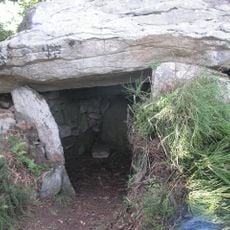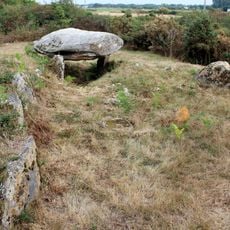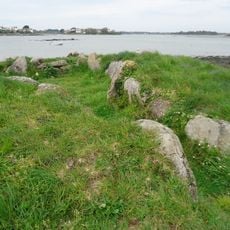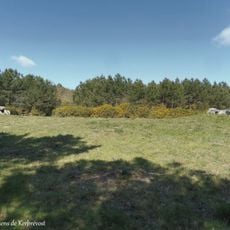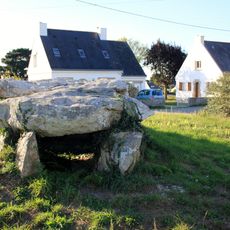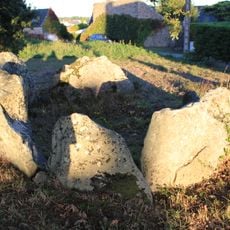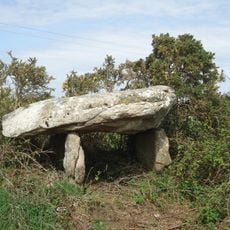
Alignement de Kerdruellan, Neolithic stone row site near Belz, France
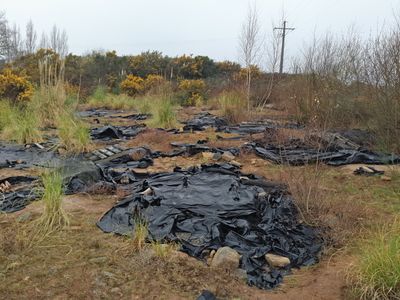
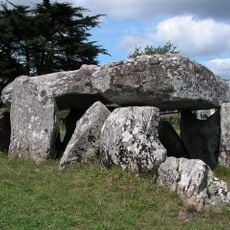
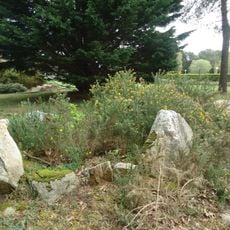
Alignement de Kerdruellan is a Neolithic stone row near Belz consisting of approximately sixty fallen blocks of gneiss arranged in distinct rows. The stones remain in their original sedimentary context, preserving the layout from thousands of years ago.
These stones were deliberately positioned around 2000 BCE during the Neolithic period and later toppled from northwest to southeast. Some menhirs were reused during the Medieval period for agricultural purposes.
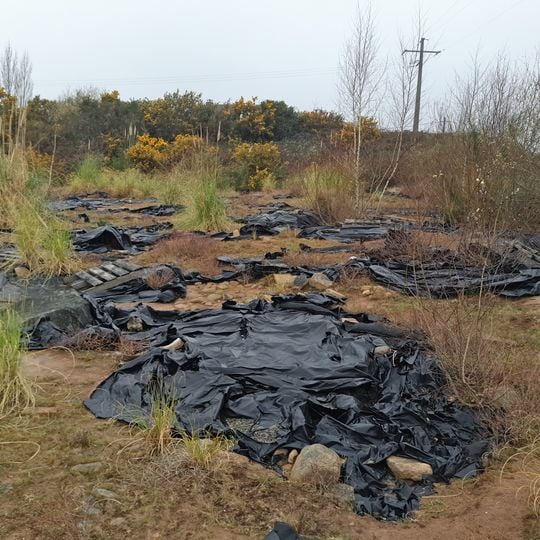
The archaeological excavations conducted by INRAP in 2006 revealed multiple phases of human activity, including agricultural practices during the Medieval period.
The site was discovered in 2005 during a housing development project and received protected monument status in March 2008. Visitors should explore the area respectfully, as it is a protected archaeological site.
Archaeological investigations revealed that people reused and repurposed these ancient stones thousands of years after they were first placed. This shows how inhabitants adapted the landscape across different time periods, giving the stones new meanings for their own needs.
The community of curious travelers
AroundUs brings together thousands of curated places, local tips, and hidden gems, enriched daily by 90,790 contributors worldwide.