Villa gallo-romaine de Mané-Vechen, Archaeological site in Plouhinec, France
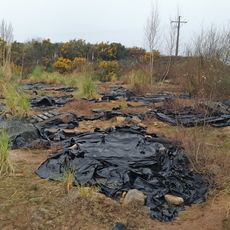
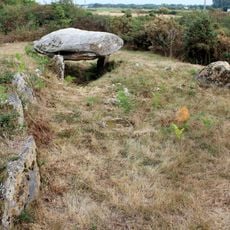
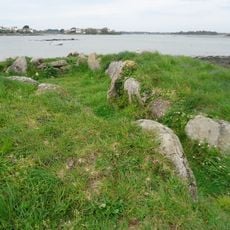
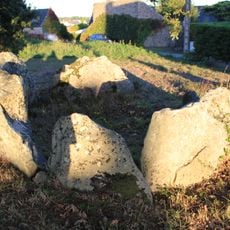
The Gallo-Roman villa at Mané-Vechen sits on a U-shaped site arranged around a central courtyard with an octagonal basin at its heart. The ruins reveal decorated rooms and storage areas that reflect daily life in the late Roman period.
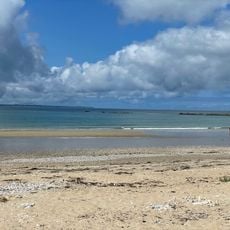
The site was occupied from the end of the 2nd century to the beginning of the 4th century. Excavations from 1970 to 2006 described a villa, but the layout leaves no room for agriculture, and since 2006 archaeologists have read it as a maritime establishment controlling coastal resources. The owner's name is known from an inscription kept at the Musée de Bretagne.
The name Mané-Véchen derives from the nearby Iron Age oppidum of Veneto, capital of the Veneti, on the neighbouring promontory of Vieux Passage. Finds from the excavations — vases, coins, weapons, fibulae and sculptures — are displayed each year during the European Heritage Days. In summer archaeologists work on site and also act as guides.
You can visit this site through guided tours organized by local groups who explain the excavations and findings. Wear comfortable shoes since you will walk over uneven ground with exposed archaeological remains.
The owner's name survives on an inscription kept at the Musée de Bretagne; he was a wealthy Roman who controlled maritime activities in Brittany. The site's plan, with three wings around a courtyard, has led archaeologists to call it a decision-making centre rather than a farm.
The community of curious travelers
AroundUs brings together thousands of curated places, local tips, and hidden gems, enriched daily by 92,755 contributors worldwide.