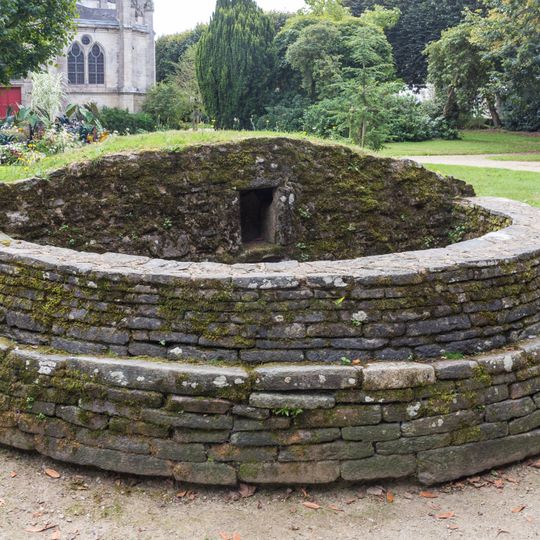
Tumulus de Nillizien, Iron Age burial mound in Pontivy, France
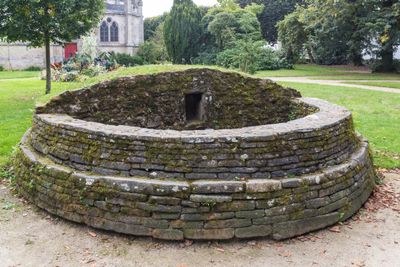
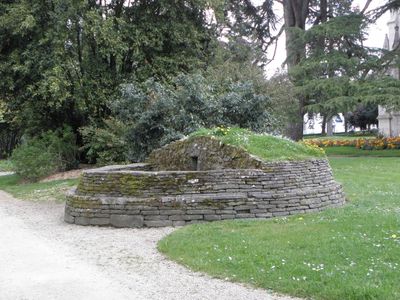
The Tumulus de Nillizien is a dome-shaped mound of flat stones covered with earth, about 5.4 metres in diameter and 1.7 metres high, encircled by a low, slightly conical dry-stone wall. At its centre, a burial chamber with dry-stone walls and corbelled flat stones held three stacked niches, each containing a cinerary urn filled with cremated human bones.
This burial monument was built during the Iron Age around 600 BCE for an important leader. Its interior contained stacked niches and a cinerary urn holding incinerated human remains.
The monument is also called the circular burial of Pontivy, and its Breton name Lann-en-ilizien links it to the hamlet of Nillizien in Silfiac, where it was found. Three cinerary urns were recovered from the chamber; they are now kept at the Museum of History and Archaeology in Vannes, not on site.
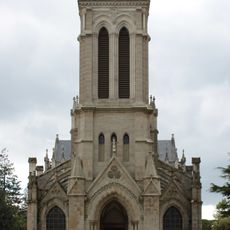
This site is located in the western section of Square Lenglier near Saint-Joseph Church and is easy to reach. Since it sits outdoors, visitors should check weather conditions before planning a visit.
The three cremation urns found inside are kept at the Musée d'Histoire et d'Archéologie in Vannes, not in Pontivy. The monument was listed as a monument historique on 8 January 1892, before its 1906 move within the square.
The community of curious travelers
AroundUs brings together thousands of curated places, local tips, and hidden gems, enriched daily by 92,930 contributors worldwide.