Site archéologique d'Allonnes, Archaeological site in Allonnes, France
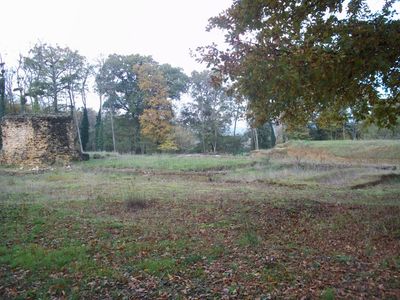
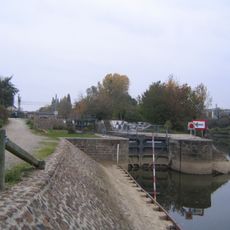
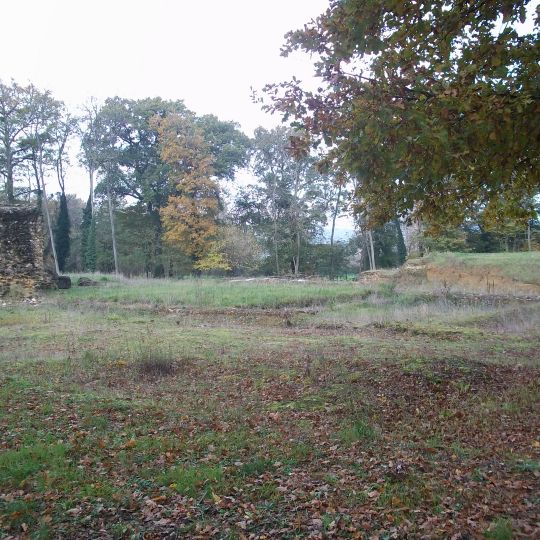
The archaeological site at Allonnes is a sprawling complex with remains from Gallo-Roman times, including bathing facilities, temples, domestic buildings, and public structures across several layers of history. The excavated areas reveal how people organized their spaces, with visible floor plans and preserved walls showing the layout of daily life and religious activity.
Occupation of the site began in the La Tène A period, in the 5th century BC, by the Gallic tribe of the Aulerci Cenomani, near the Gué Chaoué ford on the Sarthe. The Gallo-Roman sanctuary of Mars Mullo, a building of about 300 m², was constructed in the 1st century AD and abandoned during the 4th century. It was classified as a monument historique in 1961.
The site's name Alauna likely derives from a Celtic water deity, fitting its position near the Gué Chaoué ford on the Sarthe. Excavations uncovered a necropolis of the Aulerci Cenomani tribe, with ritual deposits of ceramics, metal domestic utensils and weapons. A smaller Corinthian-style temple was also cleared in the Perrières hamlet.
The remains lie in two areas: the Pasteur baths near Boulevard Pasteur in the town centre and the Tour-aux-Fées (La Forêterie) woods on the edge of Allonnes, about 5 km south-west of Le Mans. The masonry is exposed and the ground uneven, so wear sturdy shoes. The site is a scheduled monument since 1961.
The site's name Alauna links it to a Celtic water deity, and the same root survives in the river name Autonne and in Chalonnes in Maine-et-Loire. Coins minted in the Merovingian period around 616 spell the town Avlavna, a form later worn down to Alompte and then Alonne.
The community of curious travelers
AroundUs brings together thousands of curated places, local tips, and hidden gems, enriched daily by 92,893 contributors worldwide.