Château de Longchamp, Historic château in Bois de Boulogne, France
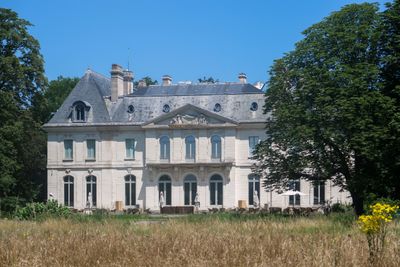
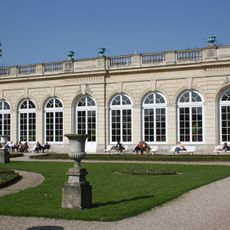
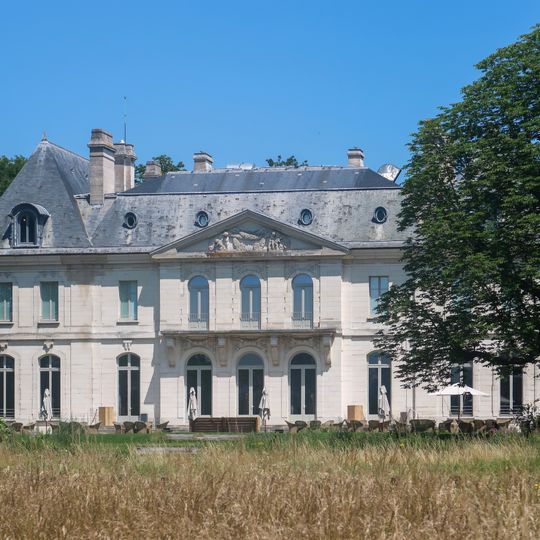
Château de Longchamp is a white stone pavilion of 2,500 m² in the Bois de Boulogne, between the Longchamp racecourse and the Bagatelle playground. Its symmetrical facade has a carved triangular pediment above three arched doors and three arched windows, with a stone balustrade across the central section and three tall chimneys on the slate roof. The building completed in the late 1940s differs from the original pavilion.
Gabriel Davioud built the first pavilion for Baron Haussmann in the mid-19th century, intended for the imperial prince born in 1856; Haussmann used it as a summer residence until January 1870 and dined there with the viceroy of Egypt, Ismaïl Pacha, in June 1869. After Alfred Chauchard rented it, perfumer François Coty bought the estate around 1910 and had the building demolished between the wars. Work on the present pavilion, unfinished when Coty died in 1934, ended in the late 1940s.
The Centre international de l'enfance, founded in 1949 by Robert Debré and Ludwik Rajchman, occupied the château until 1996. It trained thousands of fellows, many from French-speaking Africa, in child health. WWF France later used the building, which stood empty for over 25 years before the GoodPlanet Foundation took a 30-year lease in 2015.
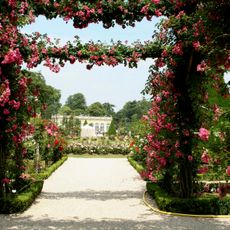
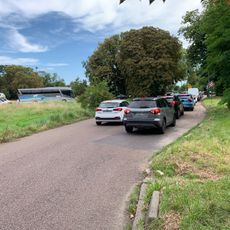
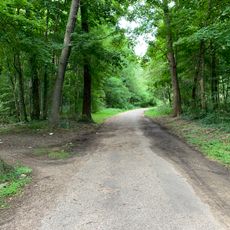
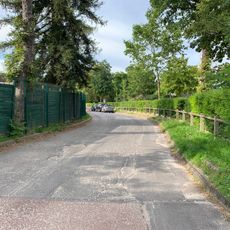
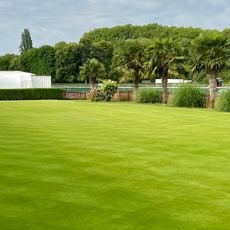
The site is open Wednesday through Sunday with free admission to exhibitions, and features broad pathways throughout the grounds. Access is straightforward from the Bois de Boulogne, and visitors should wear sturdy shoes when exploring the green spaces.
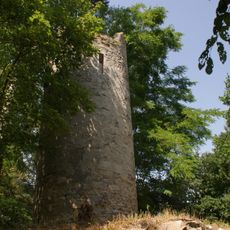
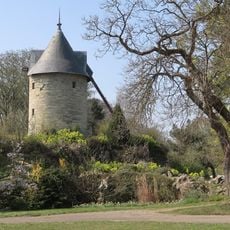
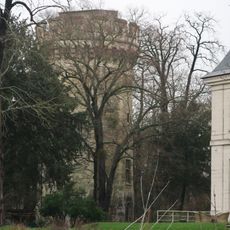
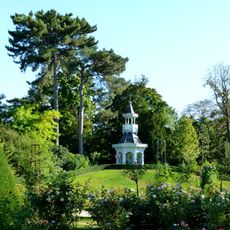
The old dovecote tower of the Longchamp abbey survived beside the new pavilion and was restored in 1857 with a mock-medieval look. When the estate was wired for electricity in 1899, Alfred Chauchard had a lift installed in it, said to be the first private elevator in France.
The community of curious travelers
AroundUs brings together thousands of curated places, local tips, and hidden gems, enriched daily by 93,081 contributors worldwide.