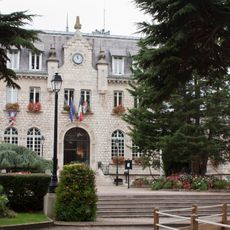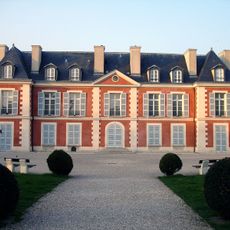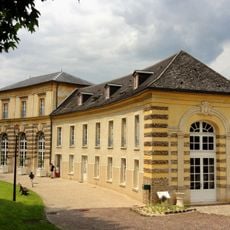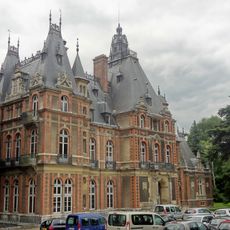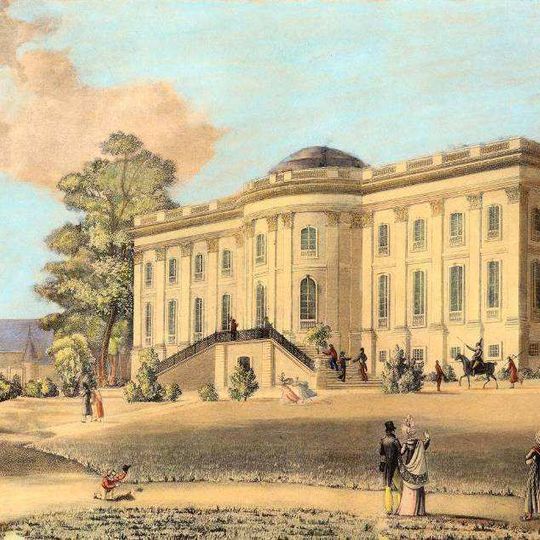
Château de Montmorency, 18th century château in Montmorency, France.
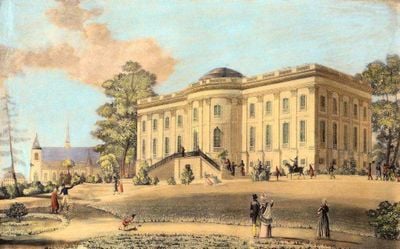
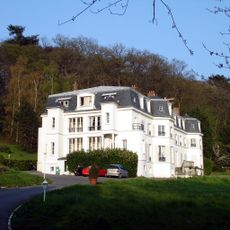
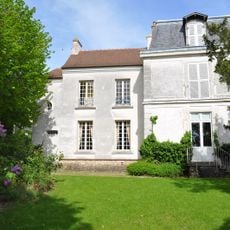
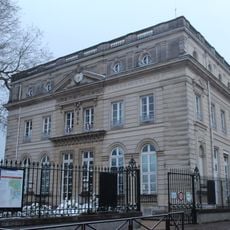
Château de Montmorency comprises two distinct buildings set within extensive grounds: a more modest residence and a grand mansion accompanied by an orangery. These structures were designed by renowned architects and occupy grounds that once spanned considerable acreage.
The painter Charles Le Brun built the initial residence in 1670, which was later enlarged by financier Pierre Crozat in 1702 with a more ambitious structure. This expansion transformed the site from an artist's residence into a grand aristocratic estate.
The estate served as a gathering place for intellectuals and artists, reflected in the decorations commissioned from prominent painters and sculptors of the era. This tradition established it as a center of artistic patronage and refined living during the 18th century.
Only the orangery from the original complex remains largely intact today, now repurposed as a cultural venue for the town. The rest of the grounds and structures have been significantly altered or demolished over time, so visiting requires checking current accessibility beforehand.
The chapel within the grand mansion contained works by sculptor Pierre Le Gros the Younger and painter Charles de La Fosse before it was demolished in 1817. Today this vanished space exists only in historical records and remains a testament to the estate's former decorative richness.
The community of curious travelers
AroundUs brings together thousands of curated places, local tips, and hidden gems, enriched daily by 91,433 contributors worldwide.