Strasbourg: from Grande-île to Neustadt, a European urban scene, UNESCO World Heritage Site in Strasbourg, France
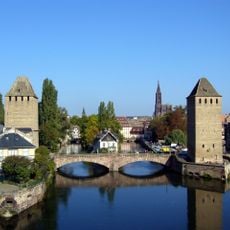
The Strasbourg World Heritage site consists of two districts covering about 183 hectares, where medieval buildings, Gothic monuments, and German imperial architecture developed along the Ill River. The river landscape and numerous bridges connect these areas and shape the overall appearance of the city.
Strasbourg traces its origin to the Roman military camp Argentoratum, founded in 12 BC, and became a bishop's seat in the 4th century. It was a Free Imperial City in the Holy Roman Empire until France occupied it in 1681. After the Franco-Prussian War, it became capital of the Reichsland Alsace-Lorraine in 1871, and the Neustadt was built under German administration. The Grande-Île was inscribed by UNESCO in 1988, and the Neustadt was added in 2017.
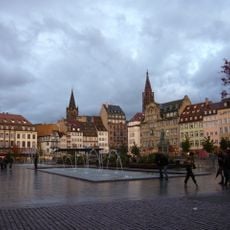
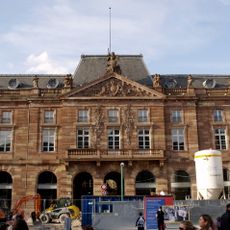
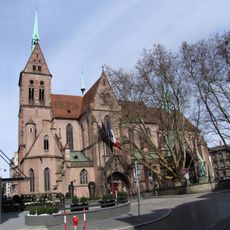
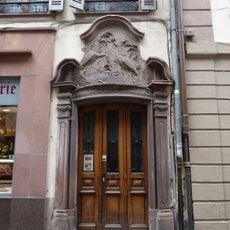
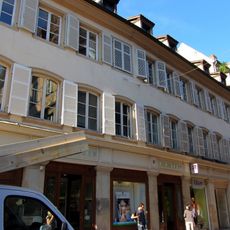
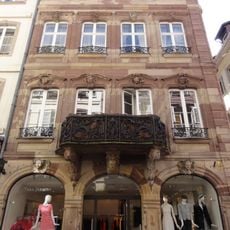
The two districts show how French and German architectural styles developed side by side and shaped daily life for residents. You can see this blend in the streets, where Gothic churches stand next to imperial-era buildings that reflect different cultural traditions.
The two neighborhoods are connected by an extensive network of bridges and pedestrian footbridges, making it easy to reach all areas. Walking is the best way to explore the site so you can take in all the architectural and street details.
The Neustadt district emerged as a German administrative and residential center and still shows today how quickly an entire city can grow when new political borders are drawn. Its wide streets and orderly blocks are completely different from the narrow, winding lanes of the older quarter.
The community of curious travelers
AroundUs brings together thousands of curated places, local tips, and hidden gems, enriched daily by 92,917 contributors worldwide.