Château de Beaupuy, Neo-Gothic château in Mouilleron-le-Captif, France
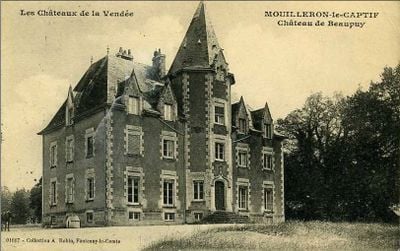
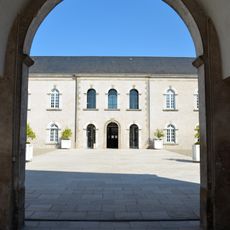
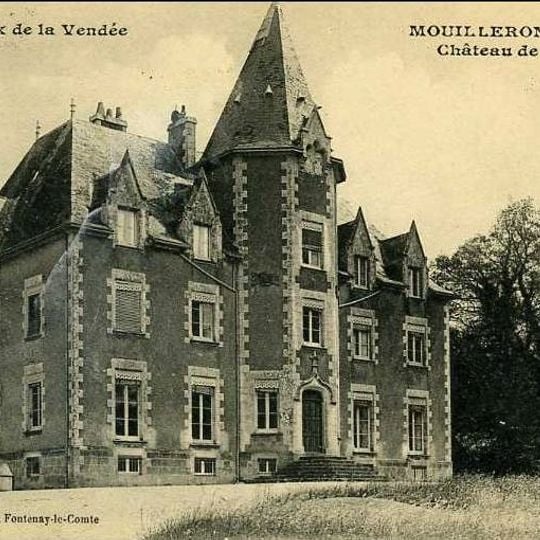
Château de Beaupuy is a neo-Gothic stone château built in 1871 for Count Henry-Louis de Tinguy de Nesmy in Mouilleron-le-Captif. Its dark grey facade is framed by lighter stone quoins, with a projecting central tower under a steep slate roof, capped by a smaller conical turret. The entrance at the tower's base is reached by a short flight of steps, and windows form vertical rows across the facade, with gabled dormers on the left roof section and smaller ones on the right.
The feudal land of Beaupuy, recorded as Bello-Podio in a homage of 1001, passed through the Chauvinière family from 1626 and to Pierre Gourdon in 1780. Around 1835 it came to Count Henry-Louis-Ernest Tinguy de Nesmy, who in 1871 built the present neo-Gothic château beside a 15th-century Renaissance manor fortified in the 16th century. His grandson Jean de Tinguy-Vexiau inherited in 1949 and had that old manor demolished in 1951; the municipality bought the estate in 2000.
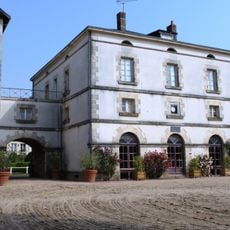
The estate serves as a gathering place for the community, with the Longère de Beaupuy hall hosting local events and meetings throughout the year. This role shows how a historic property remains woven into everyday community life.
The park offers free admission and features accessible paths for visitors with mobility needs and parking on-site. Pets are permitted, making it suitable for leisurely walks through the grounds.
The château was built in 1871 by Count Henry-Louis-Ernest Tinguy de Nesmy, nicknamed Tinguy-le-loup for his wolf hunting with hounds in the Vendée and Morbihan; he was said to have killed nearly 2,000 wolves and inspired Georges Bordonove's novel "Chien de feu".
The community of curious travelers
AroundUs brings together thousands of curated places, local tips, and hidden gems, enriched daily by 93,665 contributors worldwide.