Musée de Soissons, museum in France
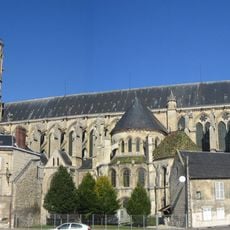
The Musée de Soissons is a museum housed in a former Benedictine abbey from the 12th century with stone arches and high ceilings. Its collection includes artworks from various periods, ancient artifacts, and contemporary exhibitions spread across several connected buildings.
The abbey was returned to Bishop Josselin de Vierzy in the 12th century and rebuilt from 1200. It was ruined during the Hundred Years' War and the Protestant occupation of 1567-1568, then rebuilt after 1660 under the Congregation of France. Sold as national property in 1791, it housed a small seminary under the Second Empire. The museum moved here in 1933.
The museum occupies the former Saint-Léger Abbey, rebuilt from 1660 after the Hundred Years' War and the Protestant occupation of 1567-1568 had ruined the earlier church and conventual buildings. The Gothic crypt still keeps its vault paintings, restored under the Second Empire when a small seminary was installed there until 1906.
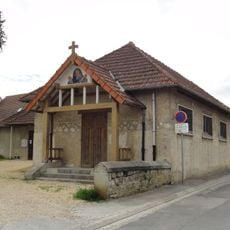
The museum occupies the former Saint-Léger Abbey, entered from a street lined with a black iron fence; a small sign reading "Musée" with a red square logo and a blue plaque marked "2" marks the corner. Archaeology rooms are on the ground floor, city history and the 16th-century plan-reliquaire on the first, temporary exhibitions on the second, and medieval stone vestiges in the former abbey church.
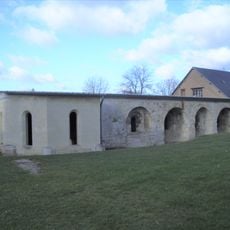
The most notable object on the first floor is a plan-reliquary from the late 16th century, a model of Soissons that also served as a reliquary. The former abbey church is given over to medieval stonework, including the tympanum of Saint-Yved de Braine and capitals from Saint-Thibaut-de-Bazoches.
The community of curious travelers
AroundUs brings together thousands of curated places, local tips, and hidden gems, enriched daily by 94,332 contributors worldwide.